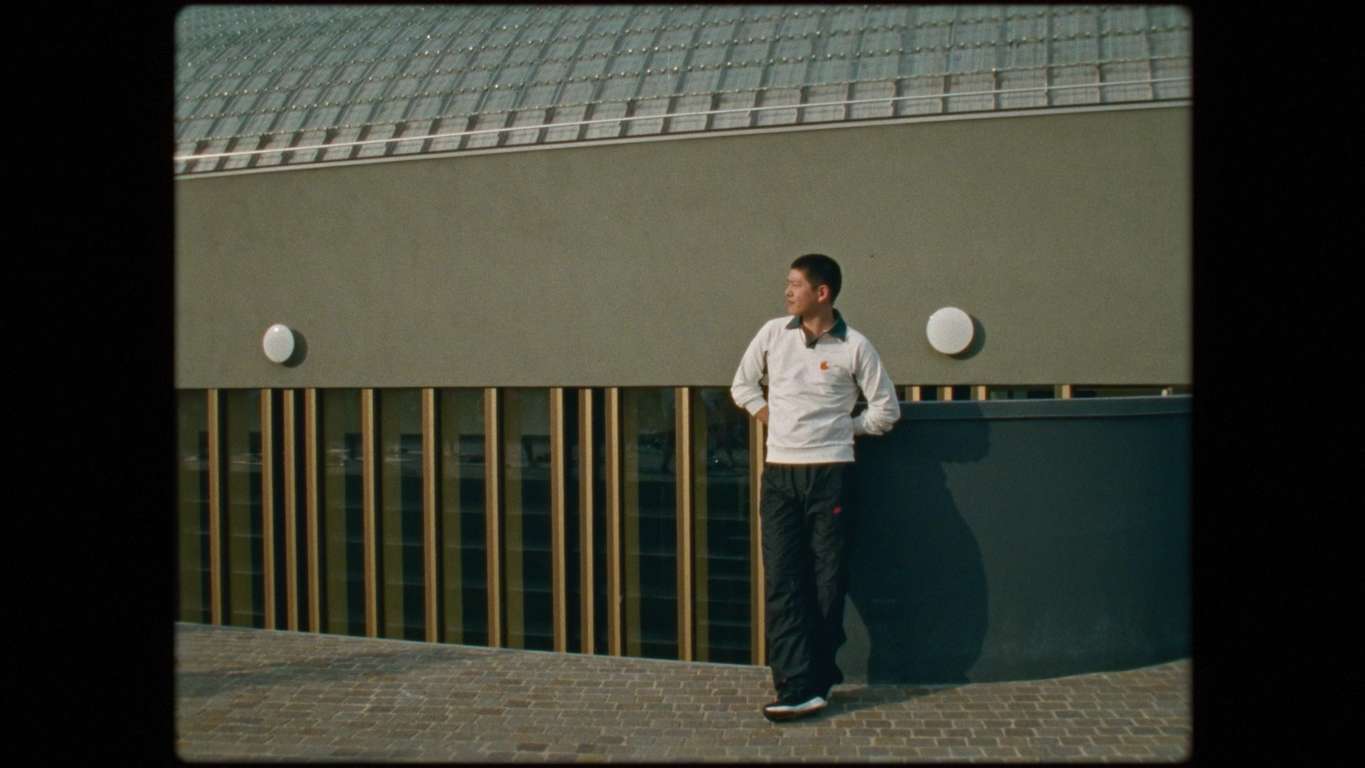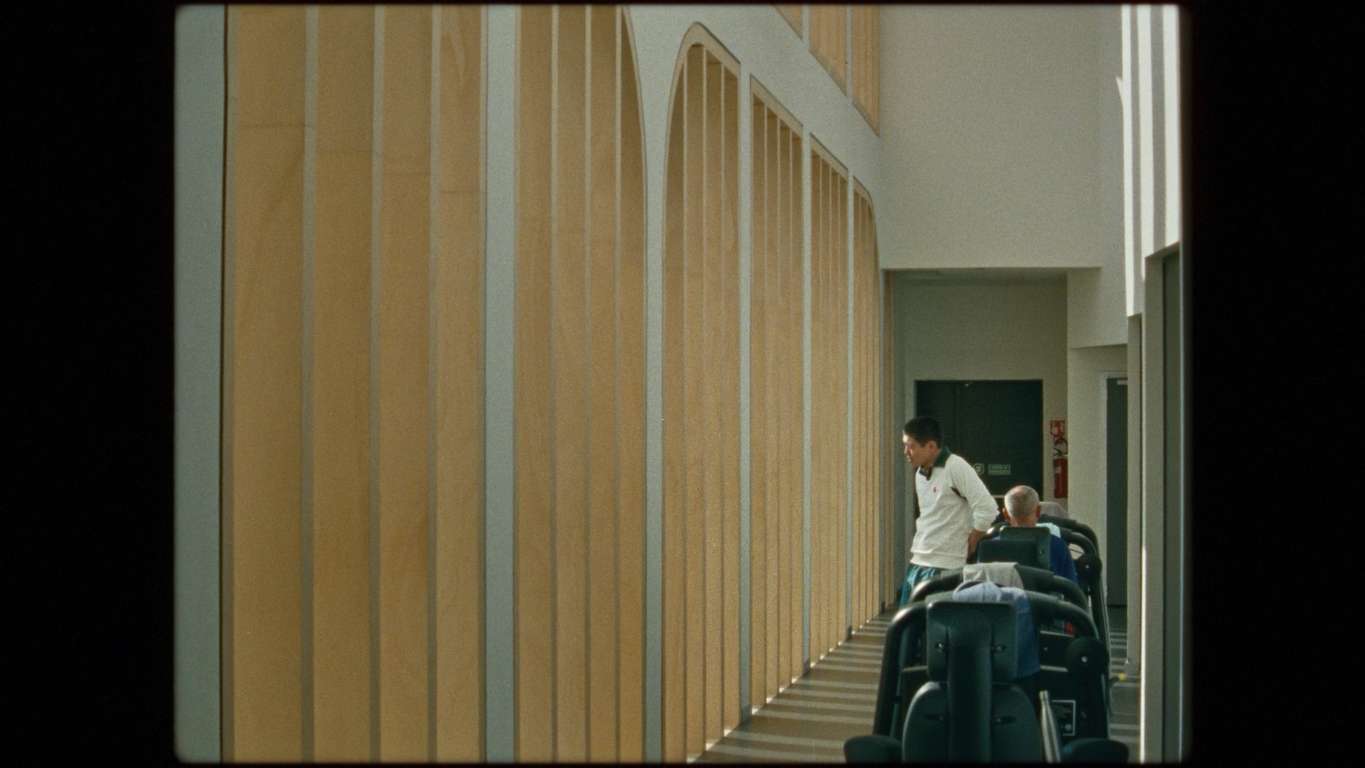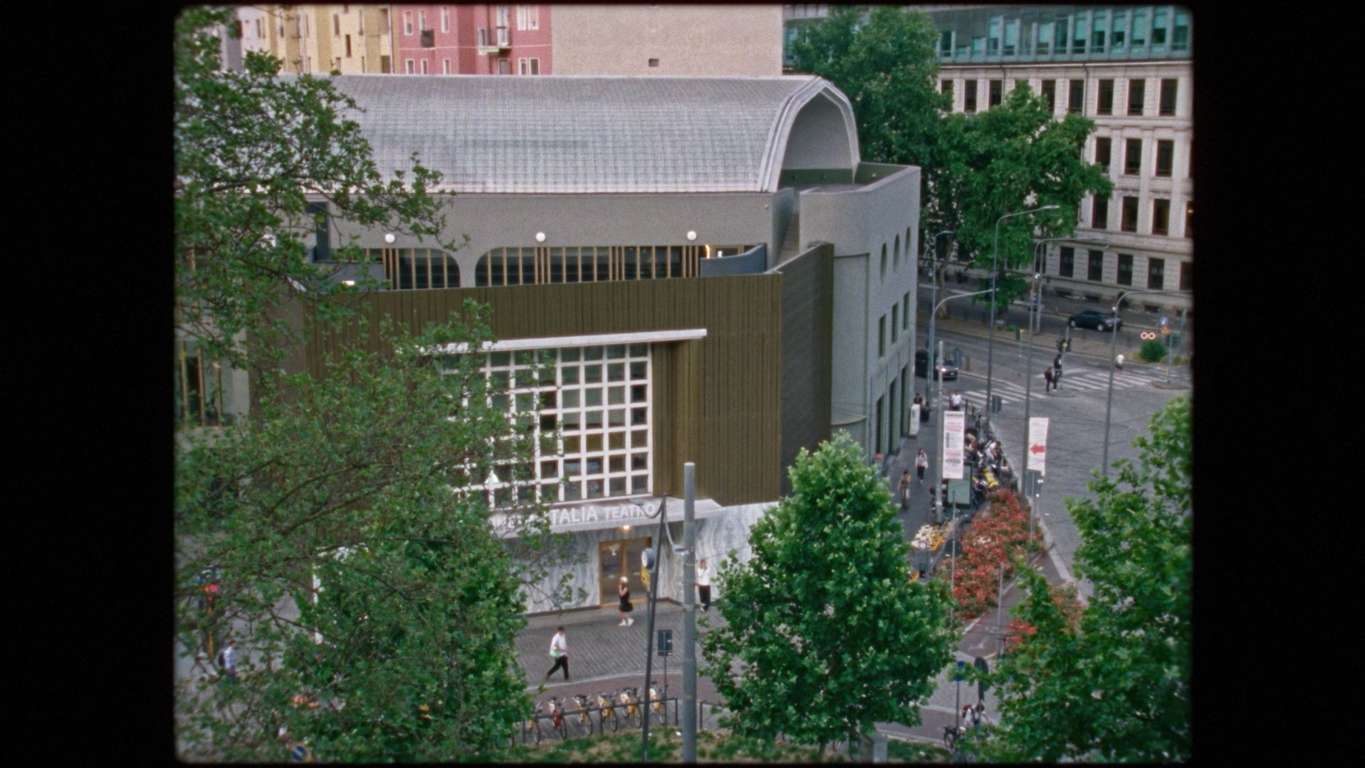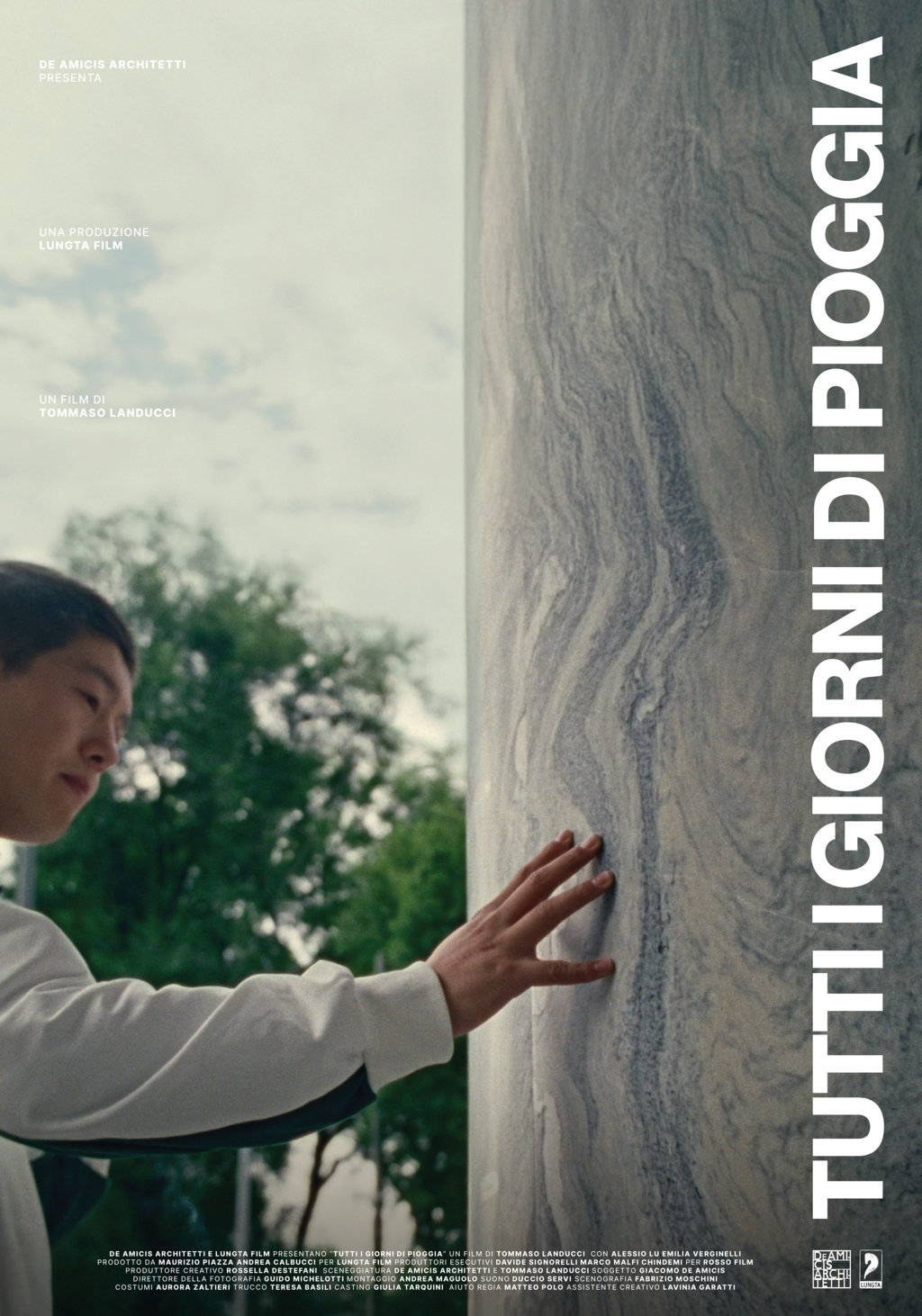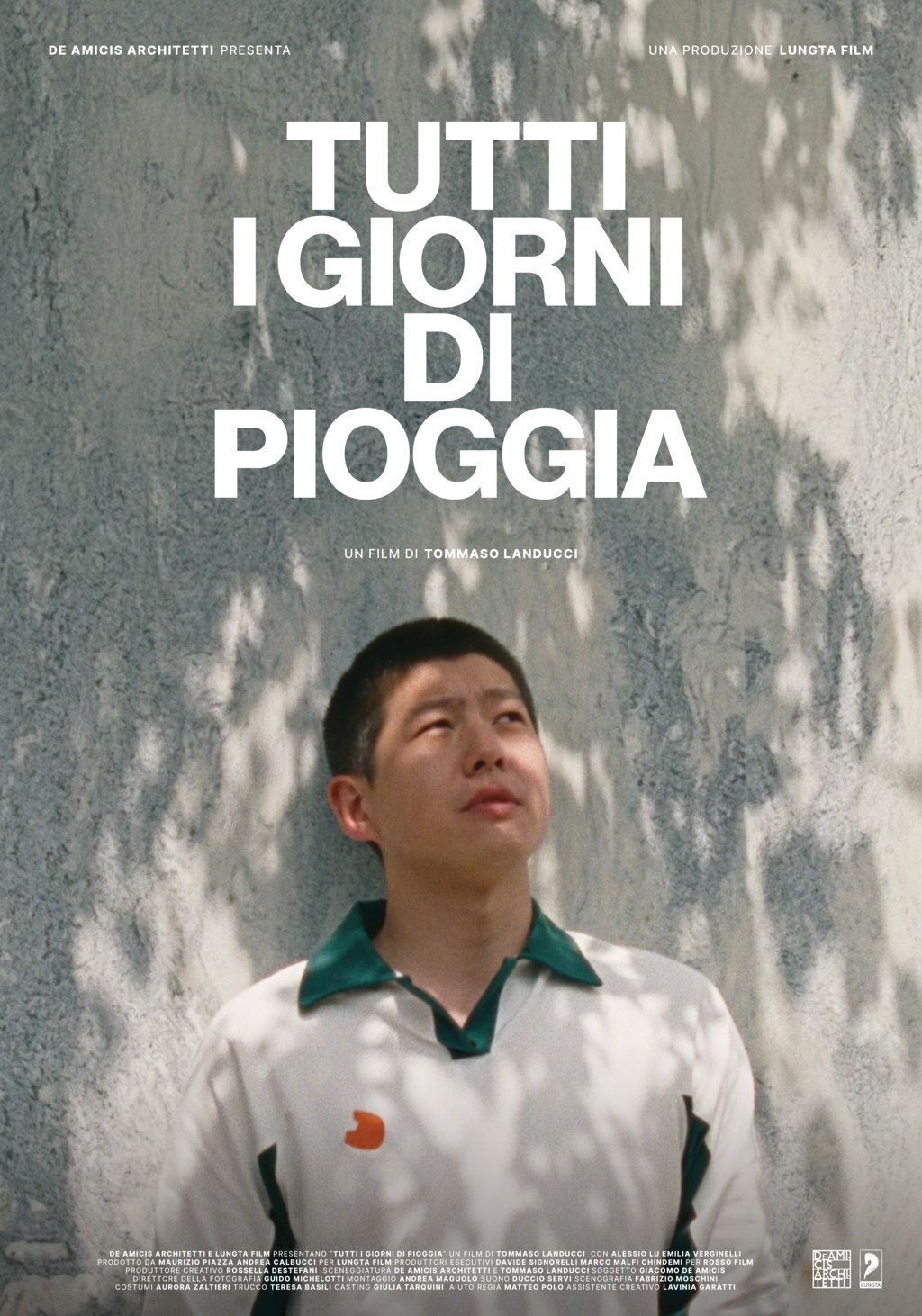

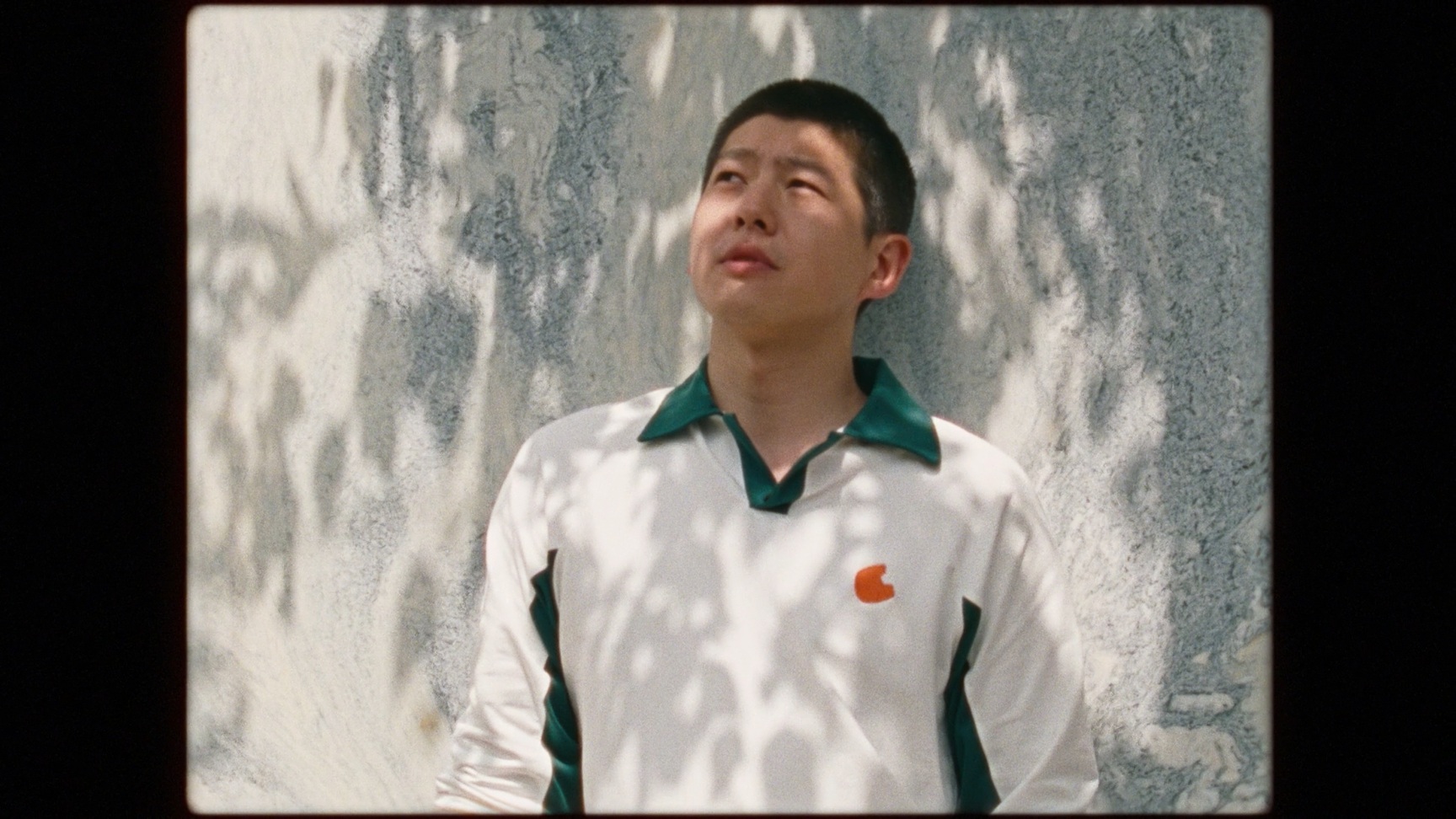
The project for the former Cinema Maestoso, a historic 1970s landmark in Piazzale Lodi, Milan, converted into a sports complex by De Amicis Architetti, interpreted and recounted through a cinematic lens, is transformed into a narrative device that transcends conventional architectural representation. “Tutti i Giorni di Pioggia”, a short film directed by Tommaso Landucci, developed together with the studio De Amicis, produced by Lungta Film, explores the possibility of presenting a building not as a static object, but as it is actually perceived and experienced.
At a time when architecture is often reduced to immediate, codified images, the project marks a deliberate shift, stepping away from the idea of “showing” architecture to make way for an evolving temporal and experiential sequence. The object is not presented in its rigid fixity, but as something that takes shape and pulsates through use, perception and interaction. Within this approach, the cinematic language becomes a critical tool. It allows the project to move beyond descriptive representation and to construct a field of situations, moments, encounters and intervals. Architecture emerges indirectly, through the rhythms of occupation and the interplay of bodies, gestures, glances and the environment, rather than through explicit depiction.
The film set inside the Magnifico, a space that still carries traces of its collective past while accommodating new forms of daily use, engages in a dialogue with the external social fabric. Within this layered setting, a minimal narrative develops around two figures: Sang, a personal trainer, and Nora, a woman who passes by each day, pausing to park her bicycle before heading to work. There is no direct dialogue between the two. Their connection unfolds through repetition and subtle variation: brief glances, shared timings, small gestures that gradually build a quiet sense of familiarity. The architecture itself mediates this relationship, acting as both boundary and point of contact: framing views, filtering proximity, and maintaining a constant tension between interior and exterior. Each scene engages with a specific portion of the building, yet avoids any explanatory or illustrative intent. Meaning emerges progressively, through fragments: partial views, latent possibilities, and encounters that never fully materialize, operating through restraint to leave space for interpretation and inviting the viewer to reconstruct the connections between characters, actions, and space.
Sang observes Nora during breaks, searches for her among the bicycles outside, momentarily withdrawing from the routine of the gym. Nora, in turn, acknowledges his presence through small, almost imperceptible hints, slowing down, looking up, suggesting a smile. Their relationship remains unresolved, suspended within the repetition of everyday habits. The possibility of interaction is always present, yet never actualized, as if speaking might disrupt a delicate and unspoken balance.
Landucci adopts this visual language as a symbolic device, explanatory of the interaction created by a regenerative intervention capable of revitalising the social context and redefining the way in which the building can be perceived and imagined. The Maestoso, a victim of the widespread neglect suffered by cinemas due to new habits promoted by platforms such as Netflix, has regained not only its historical memory but also its original significance for the neighbourhood, thanks to a respectful restoration of the façade and an optimal alternative for the interior’s reuse. A story of restoration but also of urban regeneration, told with artistic sensitivity and emotional impact.
Credits
Posters: Saganaki Agency
Frames: courtesy of De Amicis Architetti
‘Tutti i Giorni di Pioggia’
by De Amicis Architetti and Lungta Film
Produced by Maurizio Piazza and Andrea Calbucci for Lungta Film
Directed by Tommaso Landucci
DOP: Guido Michelotti
Screenplay by De Amicis Architetti and Tommaso Landucci
Story by Giacomo De Amicis
Creative Producer: Rossella Destefani