
Contemporary dining spaces are increasingly becoming a field of architectural experimentation, where space no longer simply hosts a service but becomes an integral part of it, organizing time, gestures, and relationships. It is from this awareness that the architecture studio Didea develops in Palermo a new hospitality concept, conceived as a spatial system capable of combining operational efficiency, formal recognizability, and quality of experience.
The project originates from the evolution of a long-established family business active in the food sector for generations, which in recent years has undertaken a process of expansion toward a network of spaces dedicated to dining. Within this strategic transition, architecture assumes a decisive role, not as a mere functional container but as a design device capable of shaping the brand’s identity while supporting its development over time. The Palermo-based studio Didea interprets this transformation by developing a replicable and adaptable concept able to maintain linguistic coherence while engaging with different contexts.
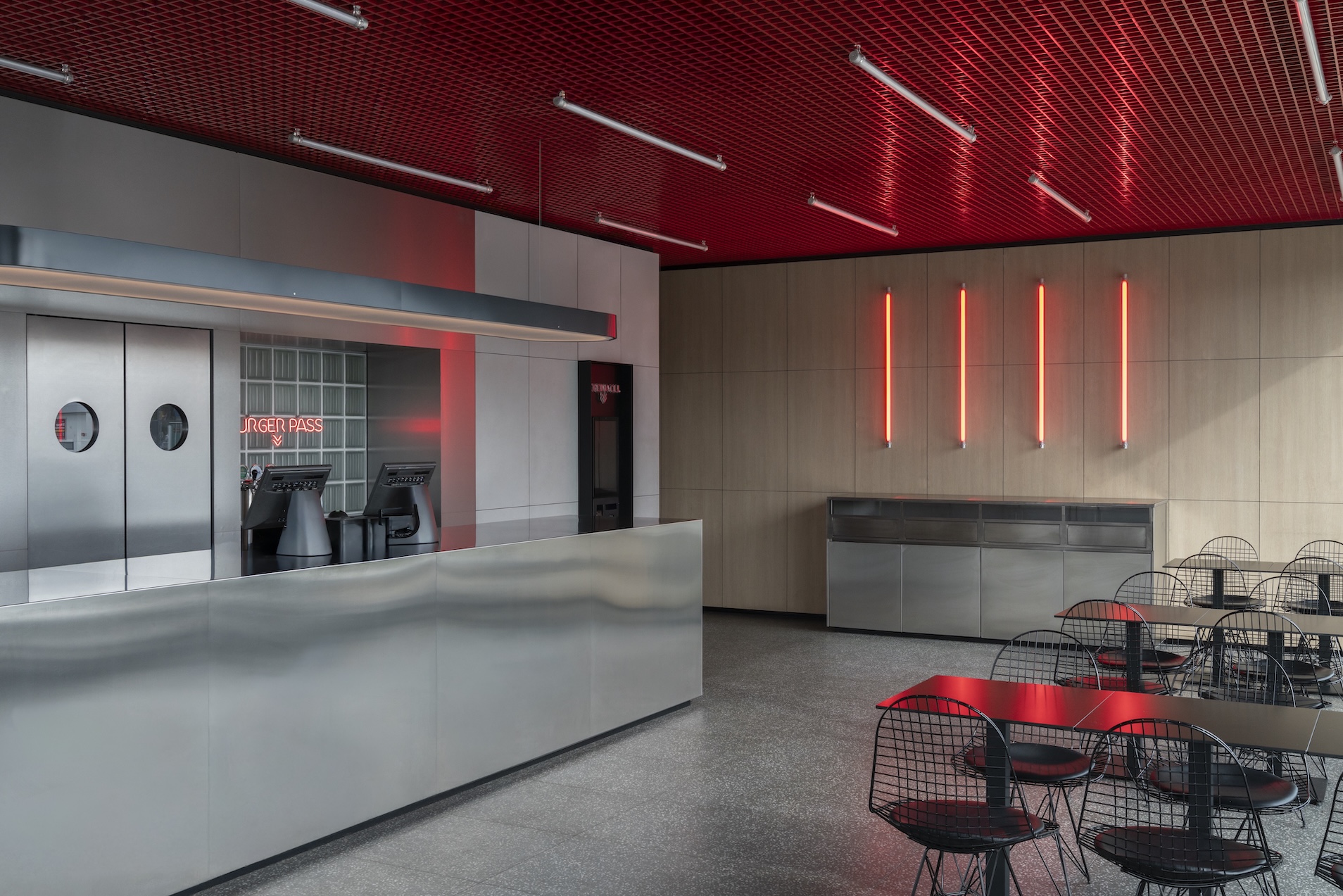
The result is an informal and accessible environment that positions itself as an alternative to conventional fast food, with particular attention to families and the social dimension of gathering. Speed of service does not come at the expense of spatial quality; instead, the environment is conceived as a place for staying and meeting as well as for consumption. In this sense, architecture becomes an infrastructure of experience, a space capable of sustaining rapid operational dynamics without sacrificing comfort and recognizability.
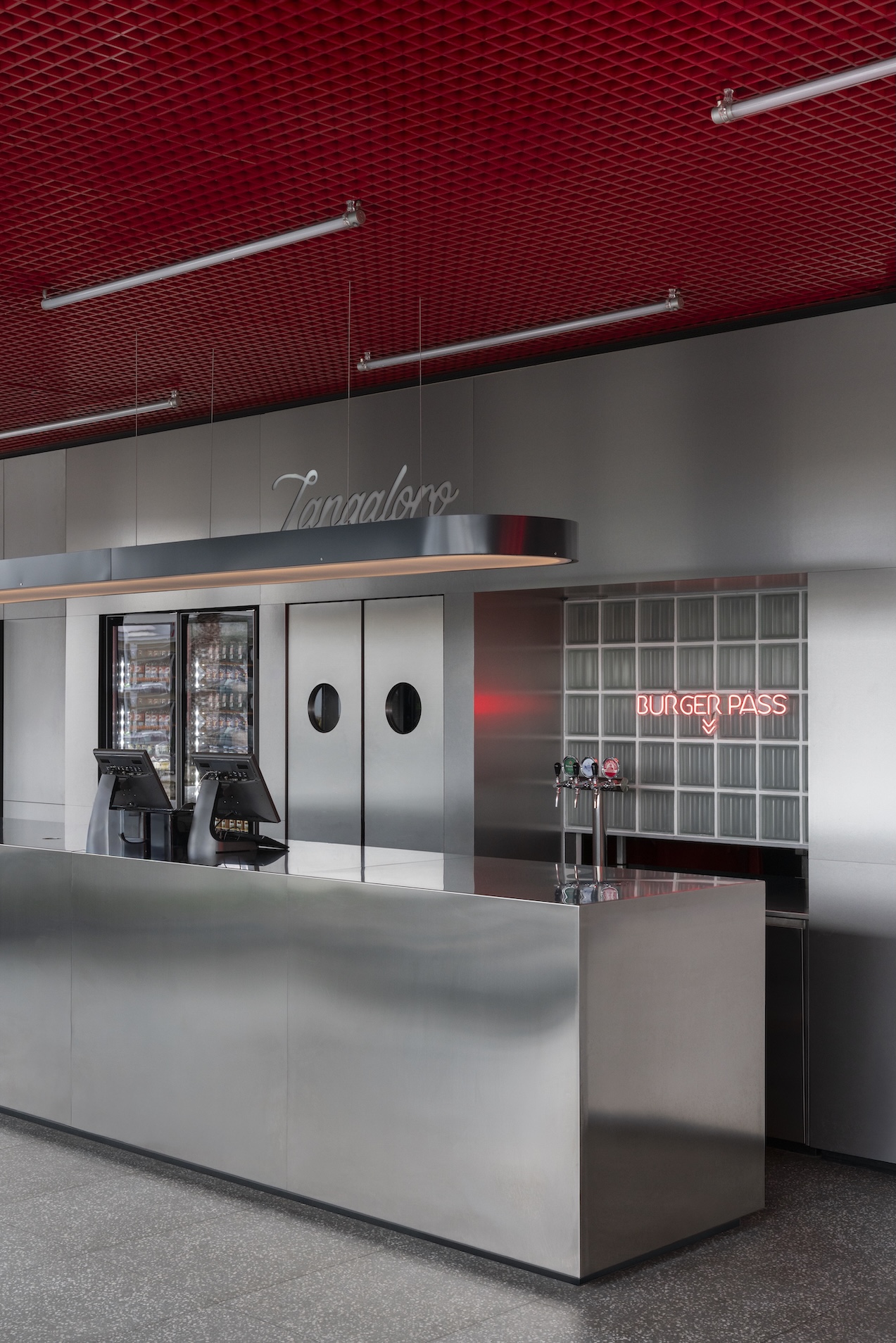
The project develops through a contemporary reinterpretation of the imagery of 1950s American diners, filtered through suggestions drawn from 1970s office interiors. Rather than a nostalgic exercise, the project treats memory as a design material. Iconic elements from this repertoire are reworked through a precise and controlled grammar that avoids literal quotation while constructing a distinct and contemporary identity.
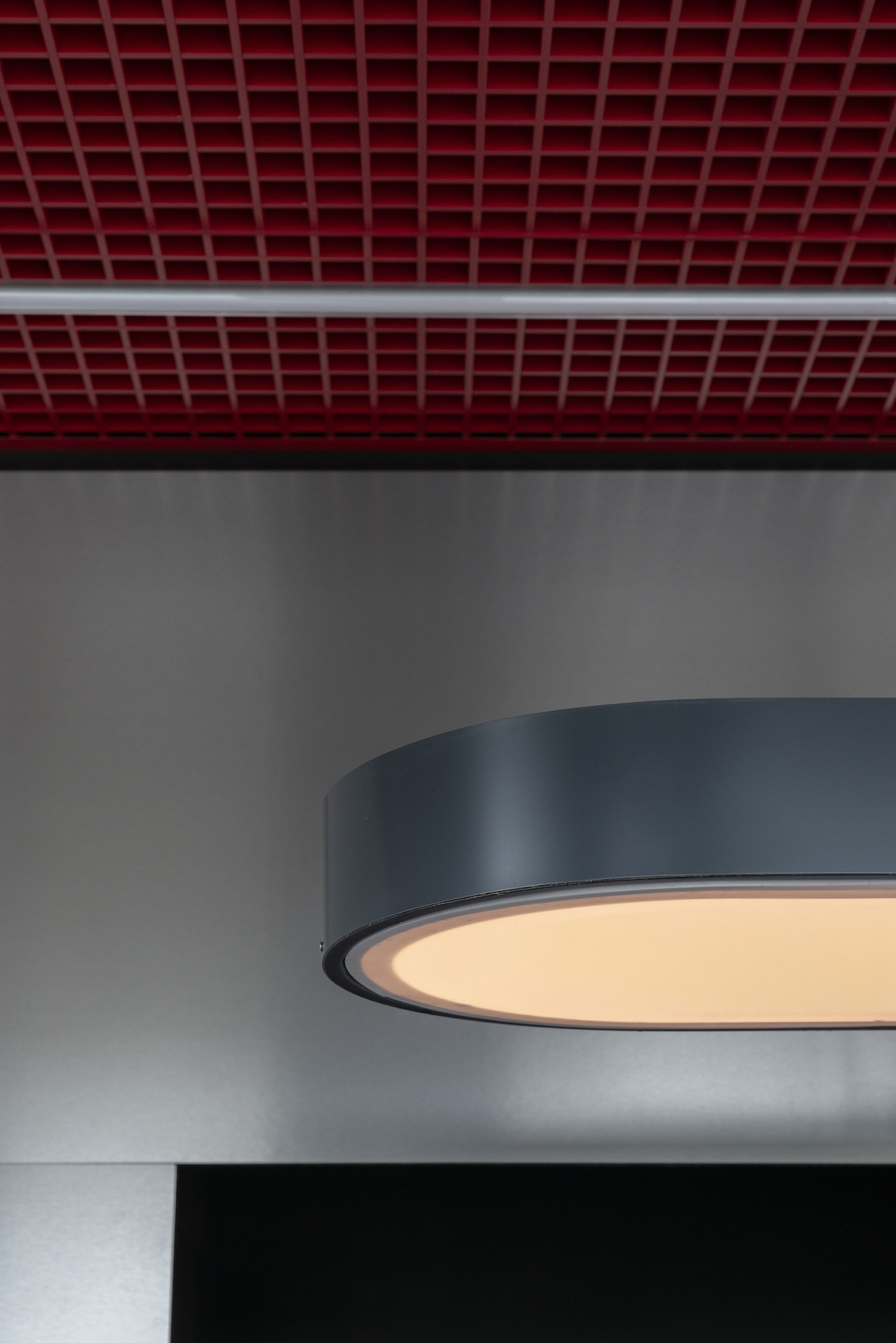
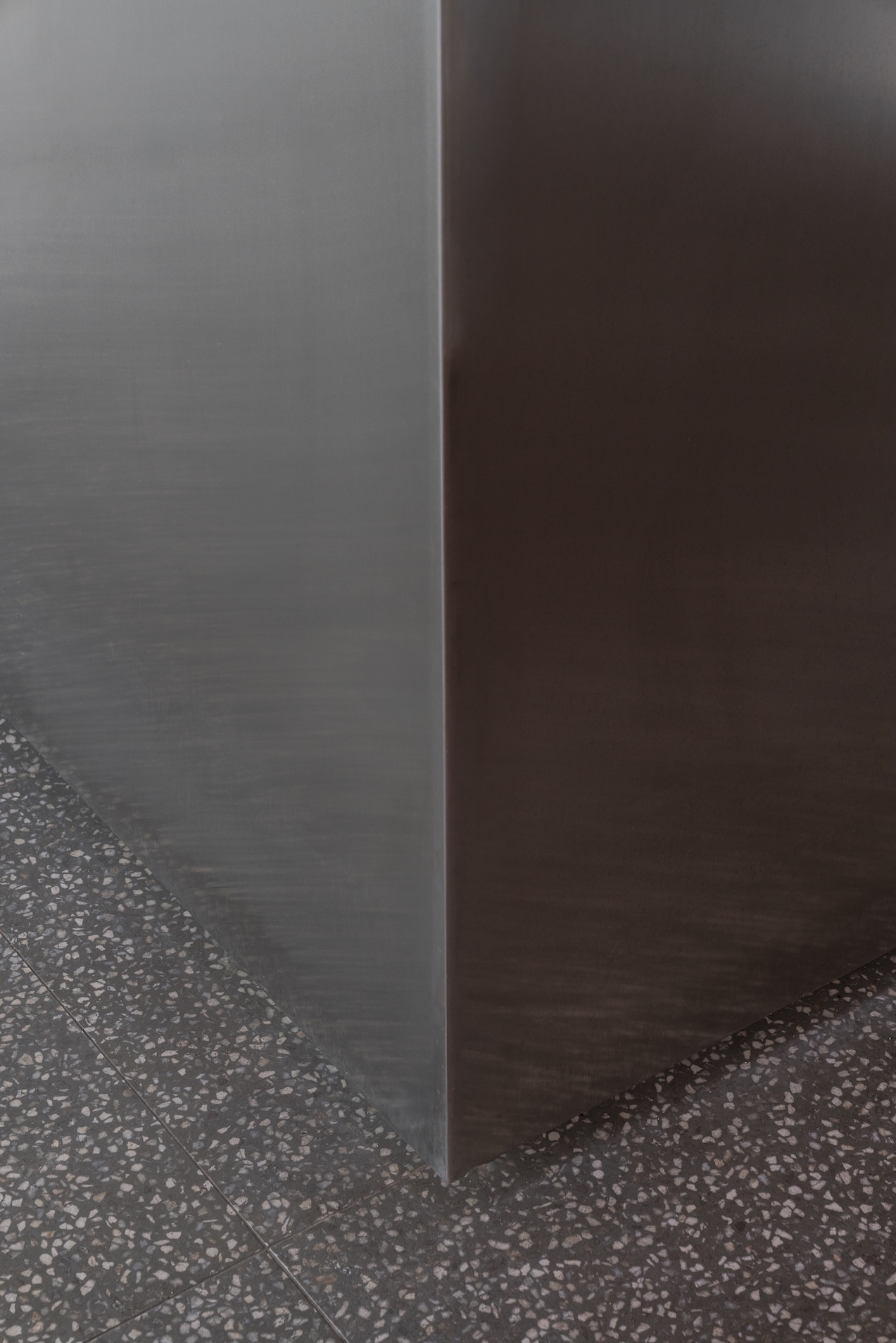
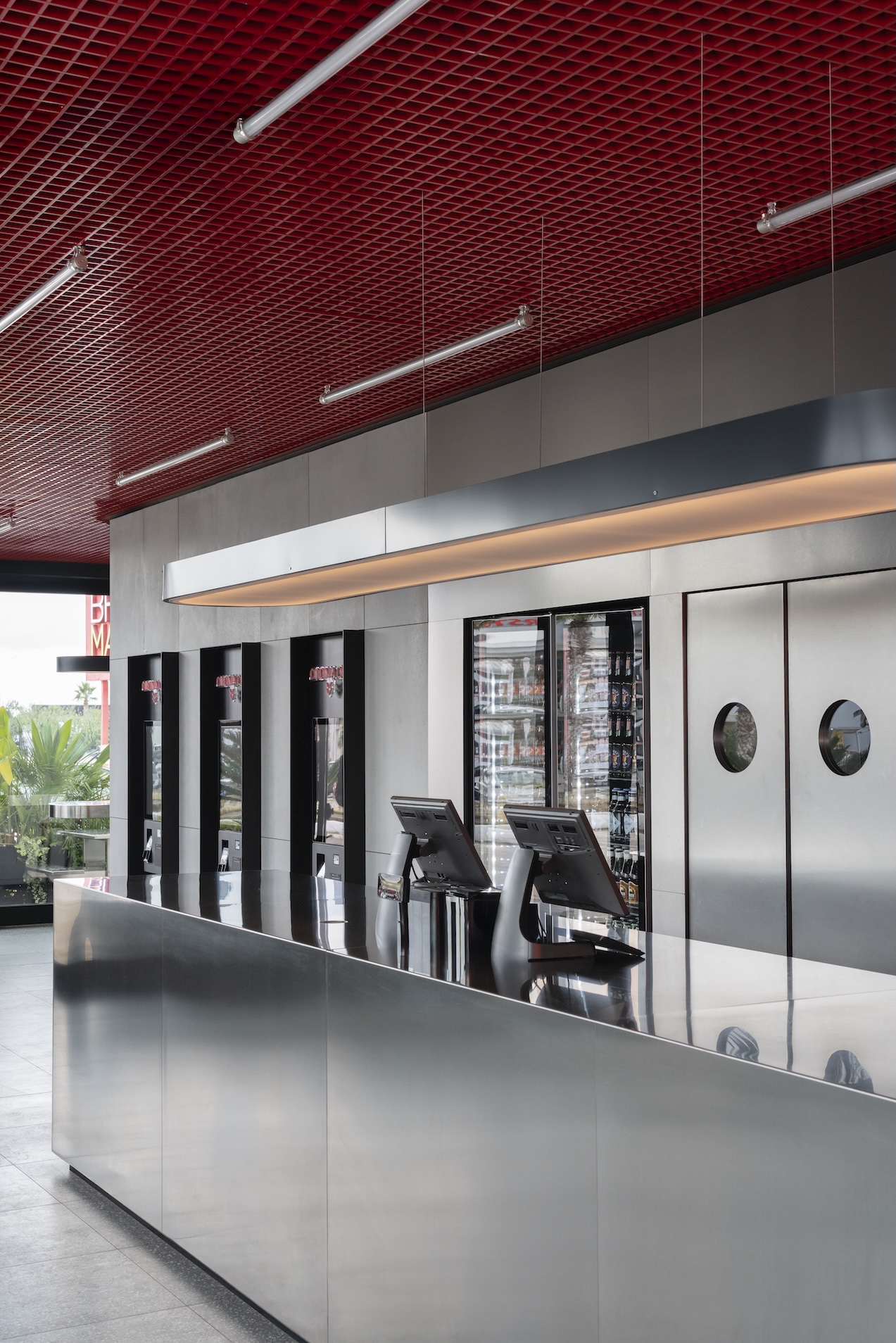
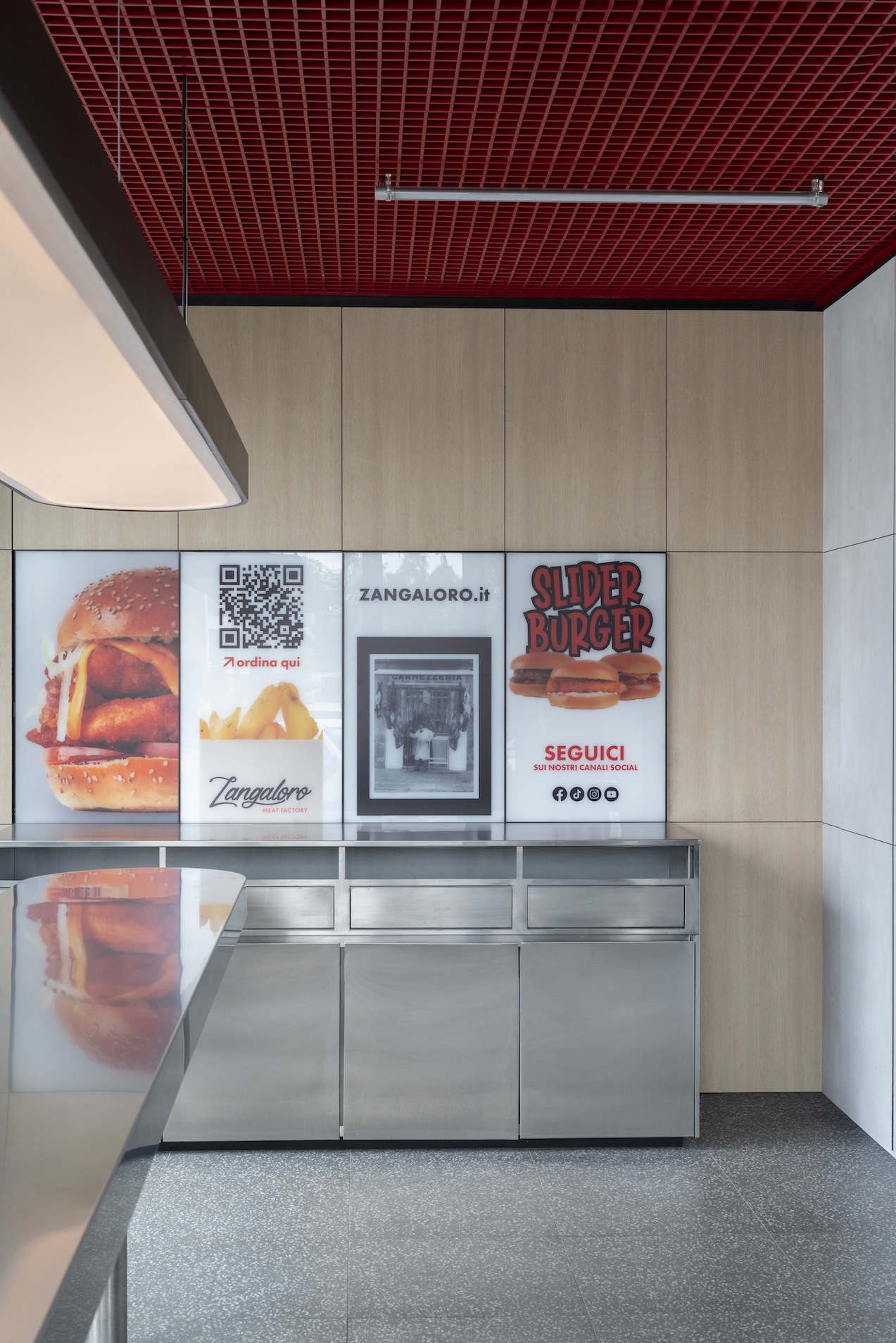
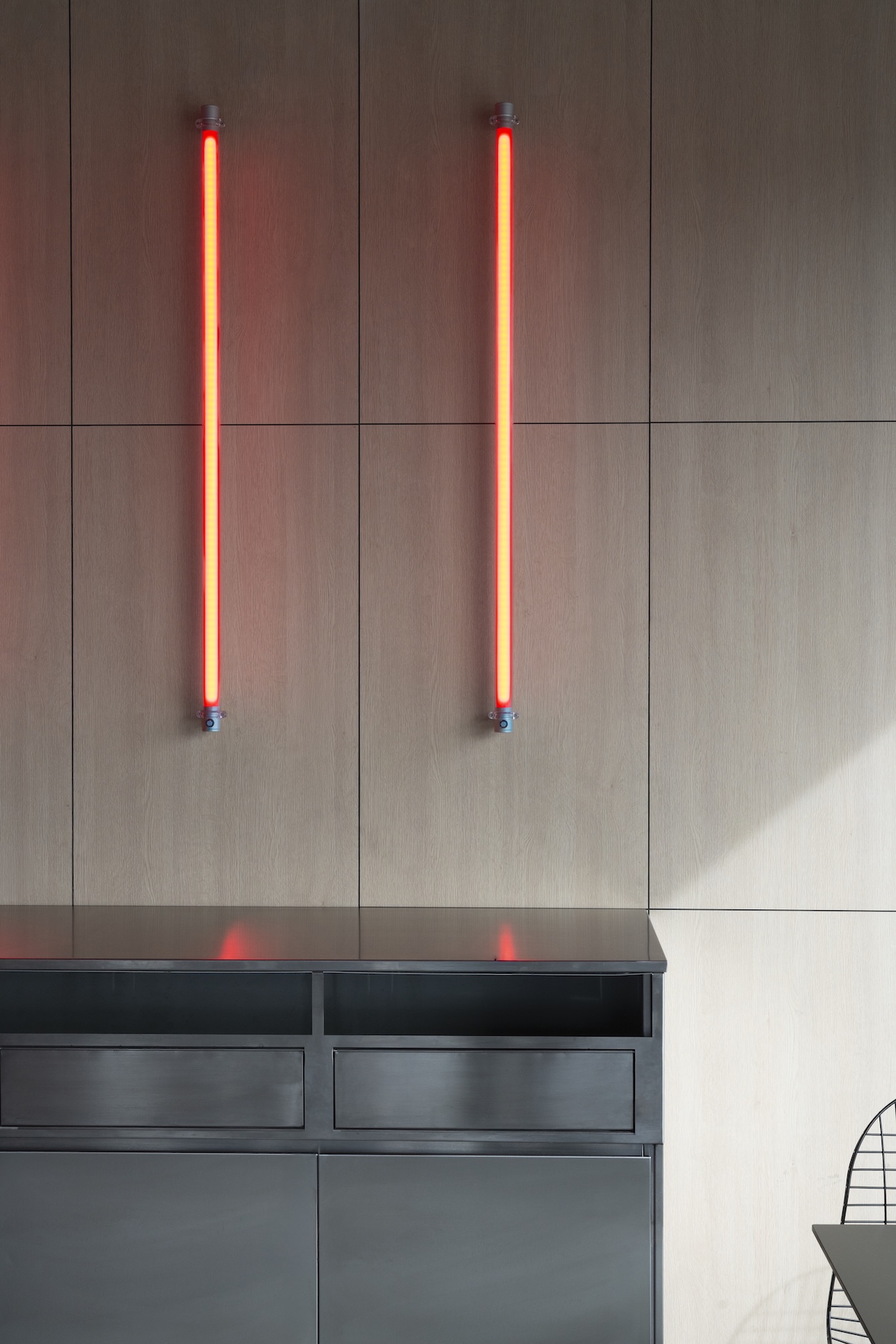
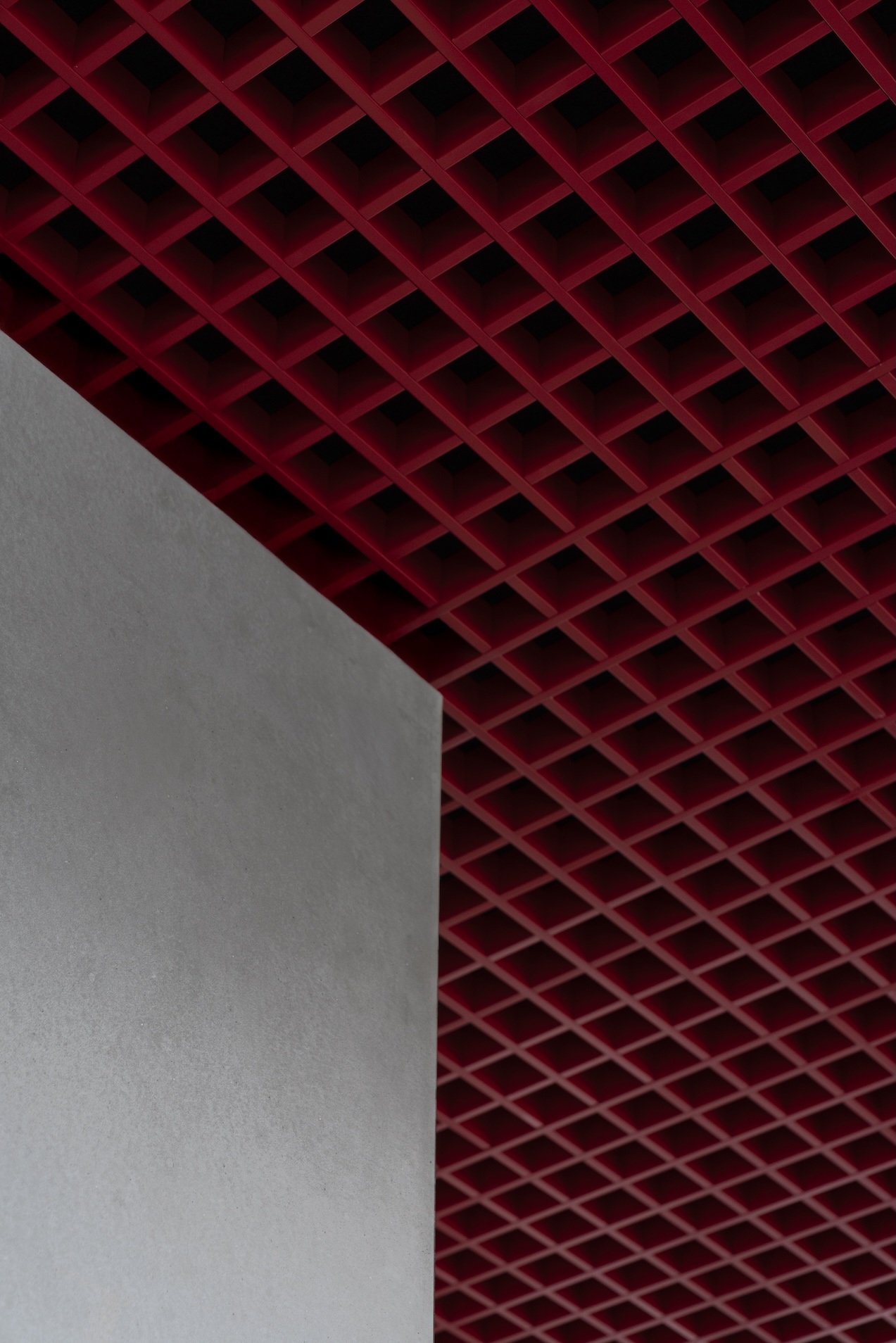
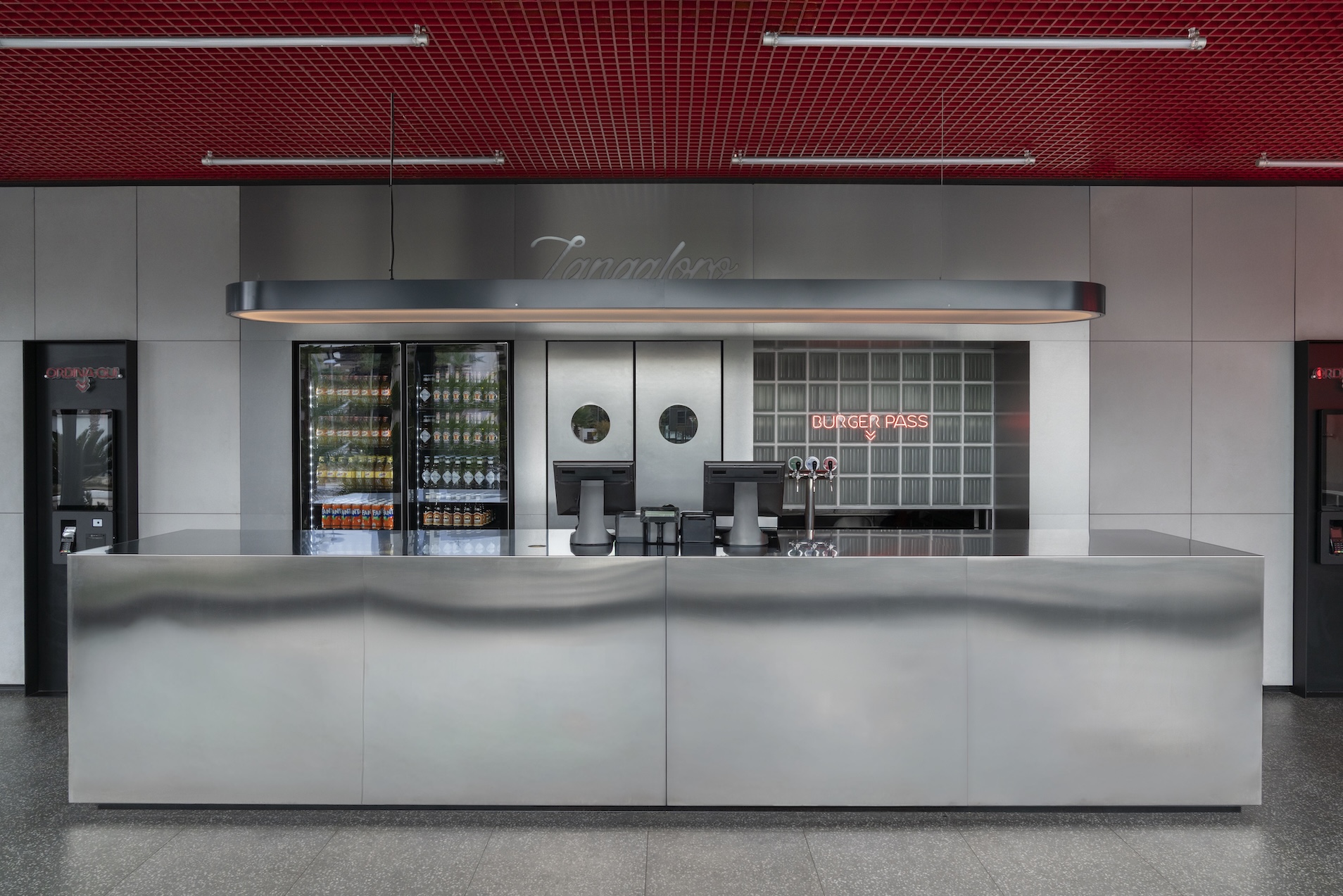
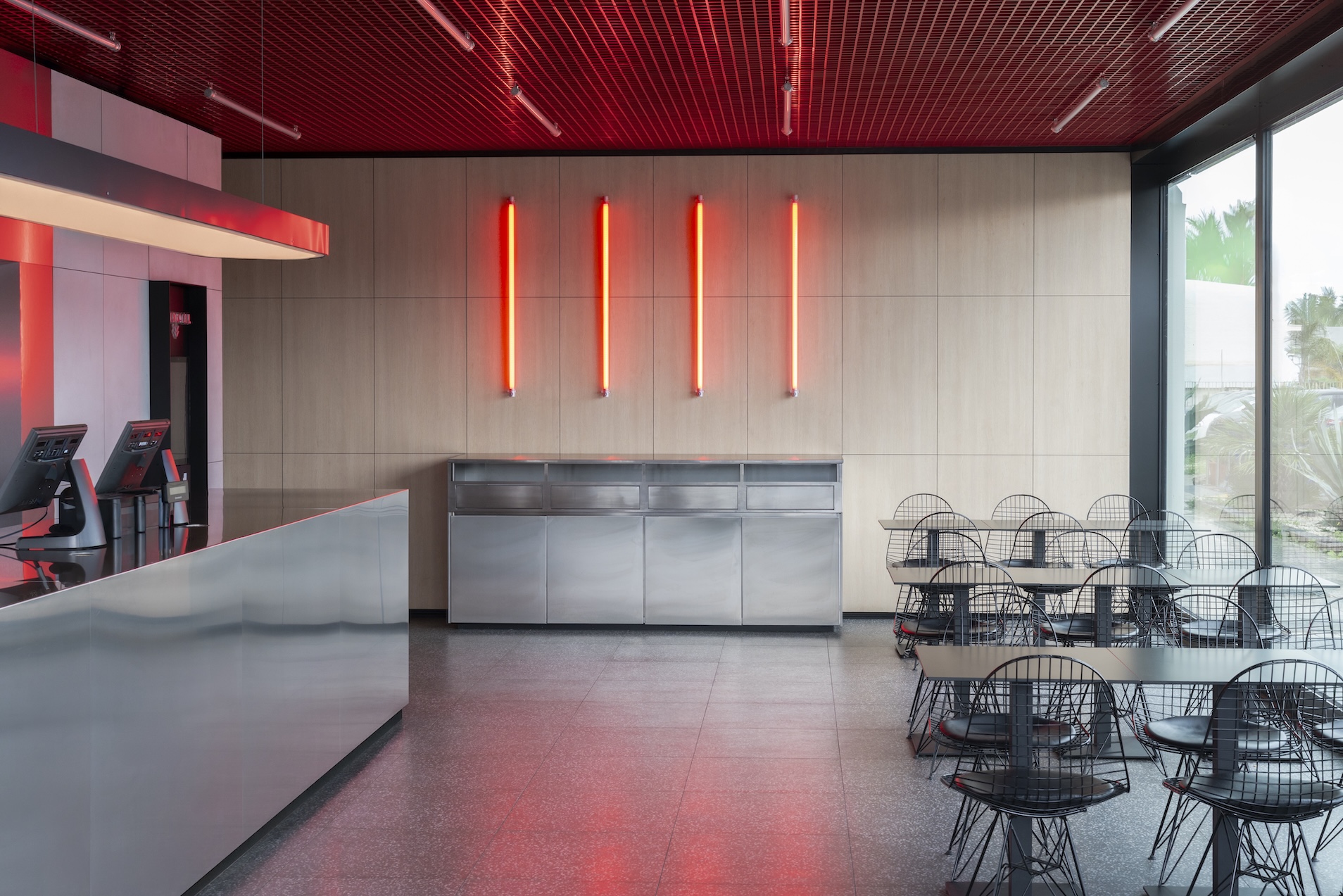
Stainless steel becomes the dominant material, used to define continuous surfaces and curved geometries that articulate counters, furnishings, and architectural details. Steel thus functions not only as a reference to the industrial aesthetics of historic diners but also as a visual structure within the project, capable of reflecting light and conveying the dynamic nature of the activities taking place in the space. Alongside this industrial component, red is introduced as a distinctive element of identity and visual rhythm. The color runs throughout the environment through the grid ceiling system, where slatted modules create a regular pattern that integrates lighting and services, reinforcing the technical and contemporary character of the space. Balancing these metallic and chromatic elements, wooden inserts introduce a warmer and more domestic dimension. The natural material acts as a tactile and perceptual counterpoint, contributing to an atmosphere that feels welcoming and suitable for everyday use. The intention is to shape a space capable of addressing different generations without crystallizing into a single image.
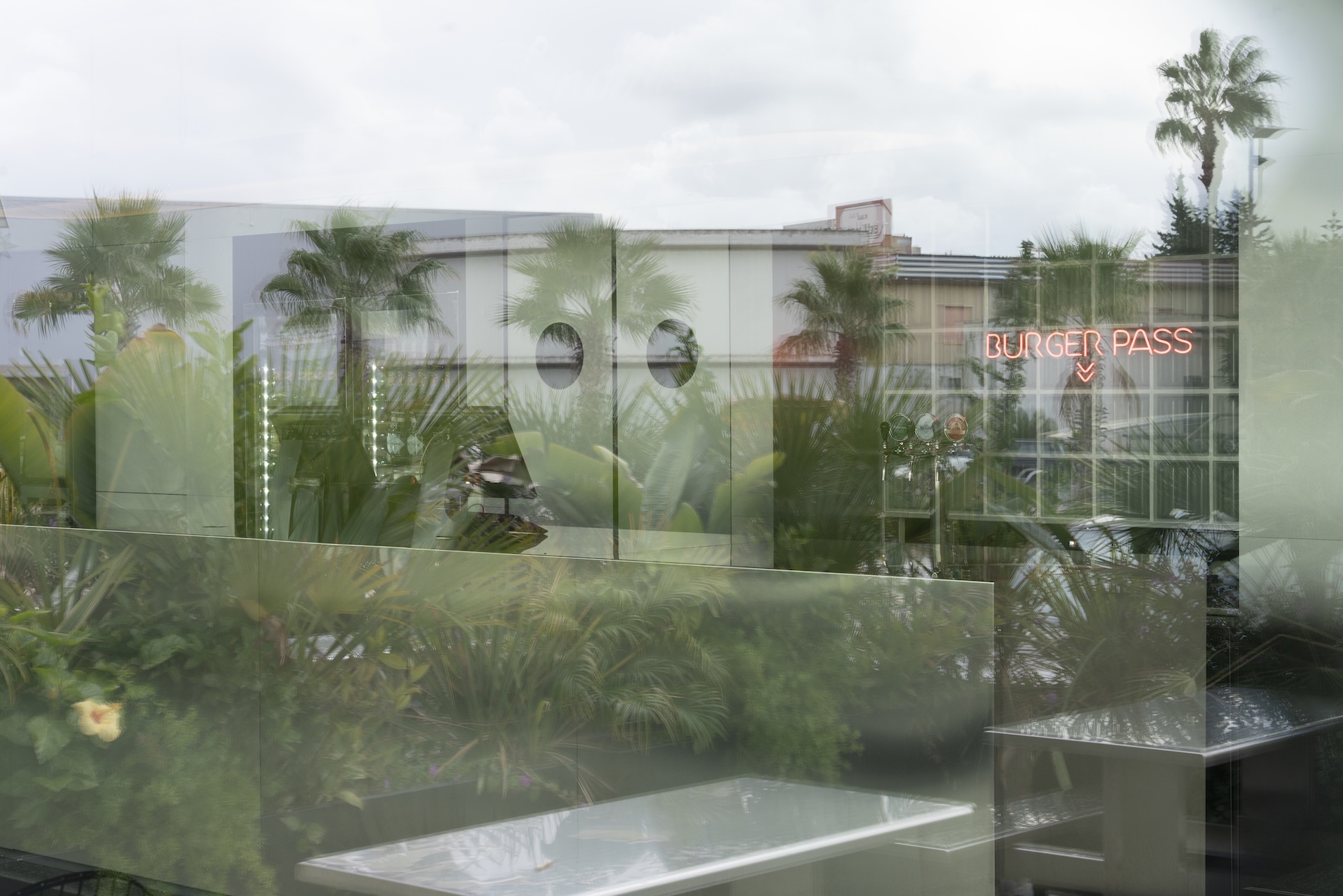
Particularly significant is the relationship between the dining area and the kitchen, which becomes one of the narrative elements of the project. Through a sequence of thresholds, transparencies, and visual passages, the work of food preparation is made visible and integrated into the spatial experience. Architecture thus constructs a continuous relationship between production and consumption, transforming operational gestures into part of the everyday scenography.
The concept is conceived as an open format intended to evolve and adapt over time. Rather than a single intervention, the project defines a replicable system capable of maintaining formal coherence and spatial clarity across different contexts. In this way architecture does not simply build a place but organizes a process, a design language capable of expanding and transforming without losing its identity.
CREDITS
Project: A Contemporary Diner
Architects: Studio Didea
Location: Palermo (PA), Italy
Year: 2026
Photography: Paolo Riolzi