
New research conducted by workspace design company Unispace reveals that Italian employees spend more time in the office than any other workforce in Europe, but many say their workplaces are still not designed to promote their wellbeing or performance.
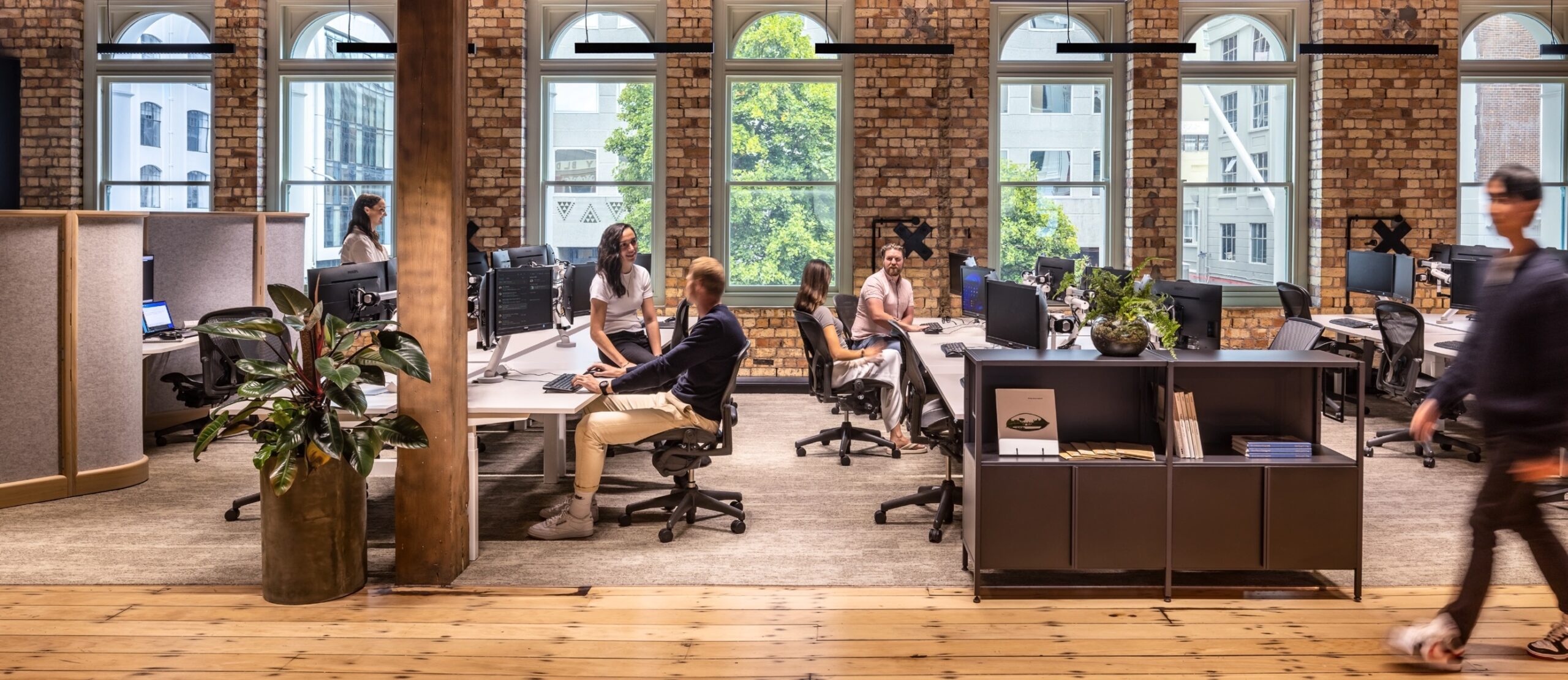
According to A Moment of Clarity, Unispace’s latest global survey of over 5,000 employees, workers in Italy spend an average of 62% of their week in the office. The main reasons workers go to the office are collaboration, access to tools and technology, and meeting customer needs, but many feel that the “office” environment still falls short of expectations in terms of comfort, rest and support.
Unispace, a global leader in the strategy, design and construction of spaces that deepen connections, foster a sense of belonging and promote success, conducted this important research to explore a fundamental issue at a historic moment such as this, when hybrid working is playing a key role in the world of work.
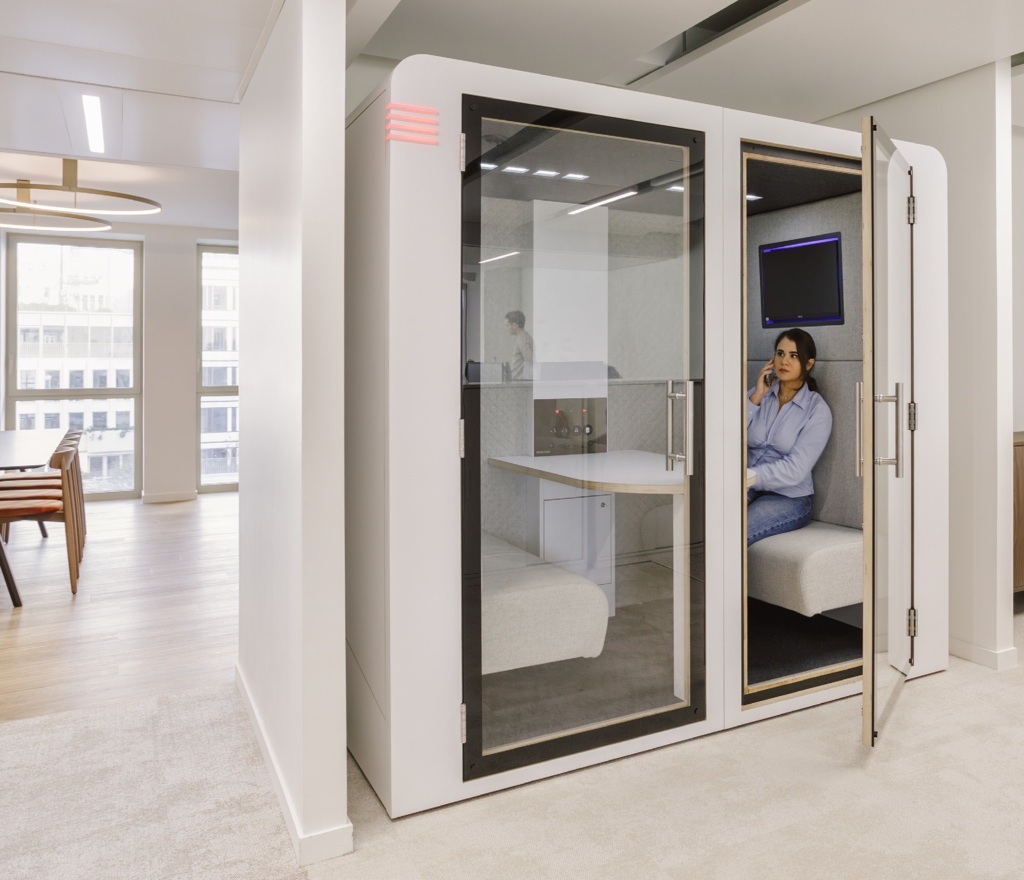
The research shows that, although employees appreciate the office, it does not always allow them to perform at their best. Across Europe, 75% say that noise and distractions hinder their performance, and 80% report that the office has more distractions than working from home.
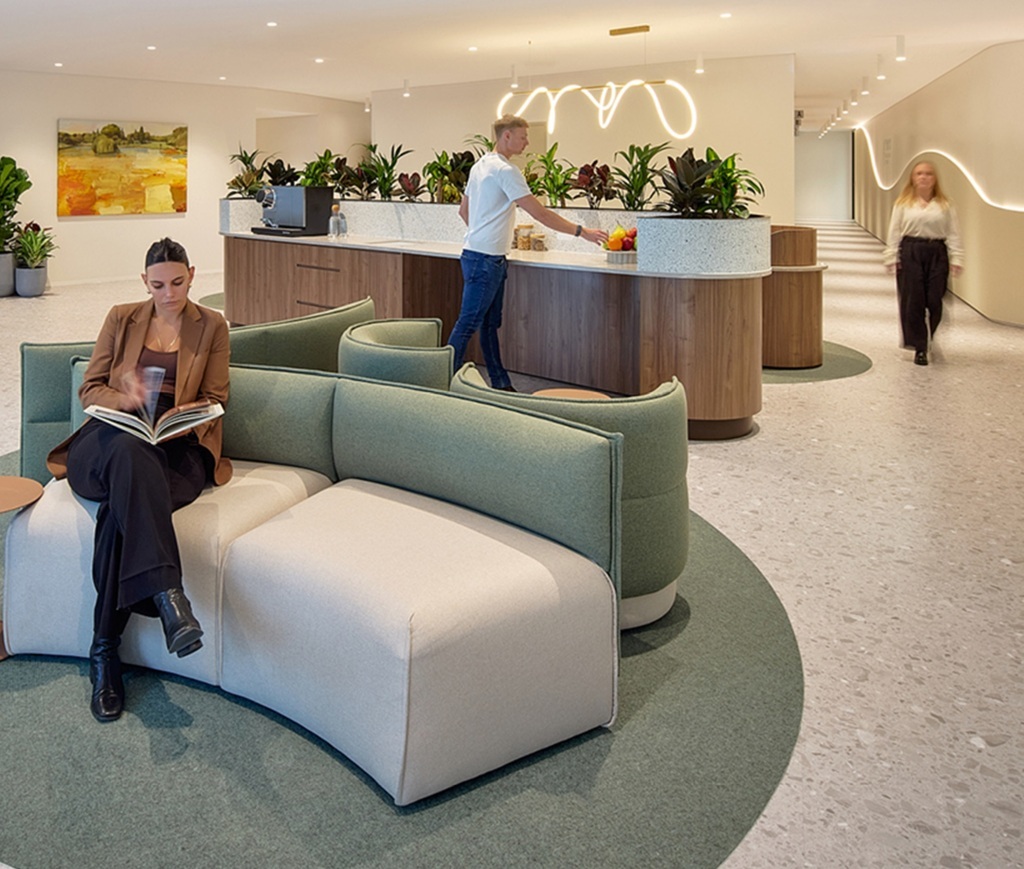
The research therefore highlights a growing demand for what Unispace calls the three Cs: calm, comfort and customisation, the fundamental elements that employees believe are necessary to perform at their best, but which many workplaces continue to fail to deliver.
‘Italian employees clearly believe in the value of the office, but they also expect it to offer more, starting with the basics,’ said Marco Francalanci, Regional Director for Southern Europe at Unispace. ‘By designing spaces that prioritise hospitality, wellbeing and comfort, employers can transform the office into a true hub of performance and culture.’
‘If the workplace doesn’t work, employees don’t reach their full potential and productivity is at risk,’ said Rob Frank, CEO EMEA, Unispace. ‘The fundamentals are more important than ever, and employers who listen now will be the ones who thrive in 2030.’
Looking ahead to 2030, offices will remain a central part of working life, but their role is changing: employers must therefore act quickly to ensure that neither productivity nor the quality of their employees’ work is compromised.
For more information about Unispace and the research, visit www.unispace.com.