
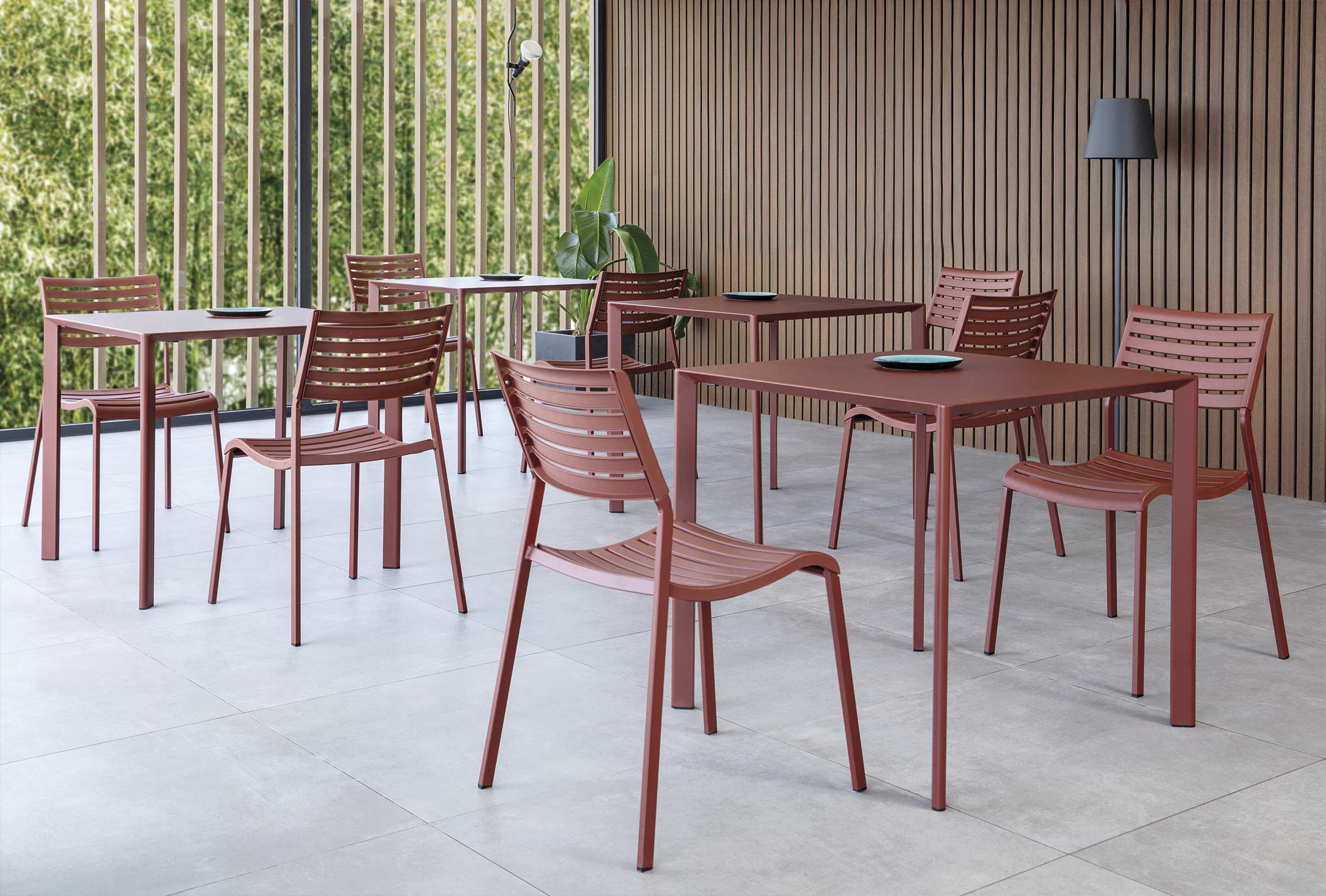
Design, craftsmanship and Made in Italy culture come together in a new outdoor concept by Vermobil: a way of conceiving outdoor spaces that transcends seasons and trends, focusing on timeless elegance, quality materials and a design vision that puts experience at the centre. The Timeless Outdoors concept stems from this approach: creating furniture that does not follow fashion, but transcends it, maintaining formal consistency, solidity and a recognisable character.
This philosophy is made possible by a deep knowledge of metals, a skill that has always been part of the company and which, combined with constant dialogue between designers and craftsmen, allows us to create products of lasting value. Each collection is thus the result of a collaborative process, where technique and aesthetic sensibility converge to create objects that invite conviviality and offer tangible quality, designed to withstand time and daily use.
This is the backdrop for Vermobil’s contract solutions for professional outdoor spaces: CATAS-certified furniture designed for hotels, bars, terraces, swimming pools and public areas. Their strength lies in the combination of careful design and performance, thanks to materials treated for durability and reliable after-sales service that supports the customer in continuous use. Here, the outdoors is not just a place, but an experience built around people and their needs.
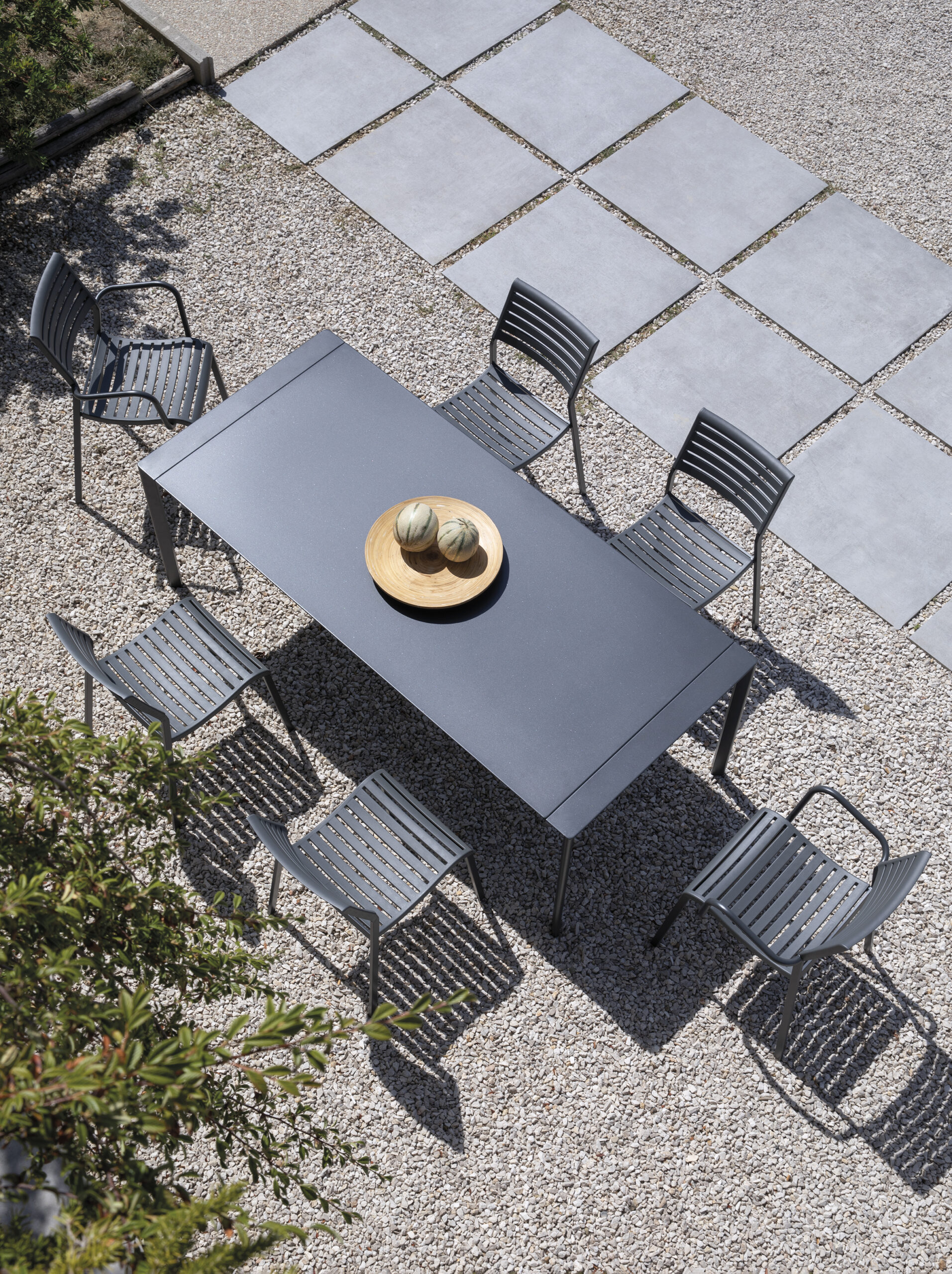
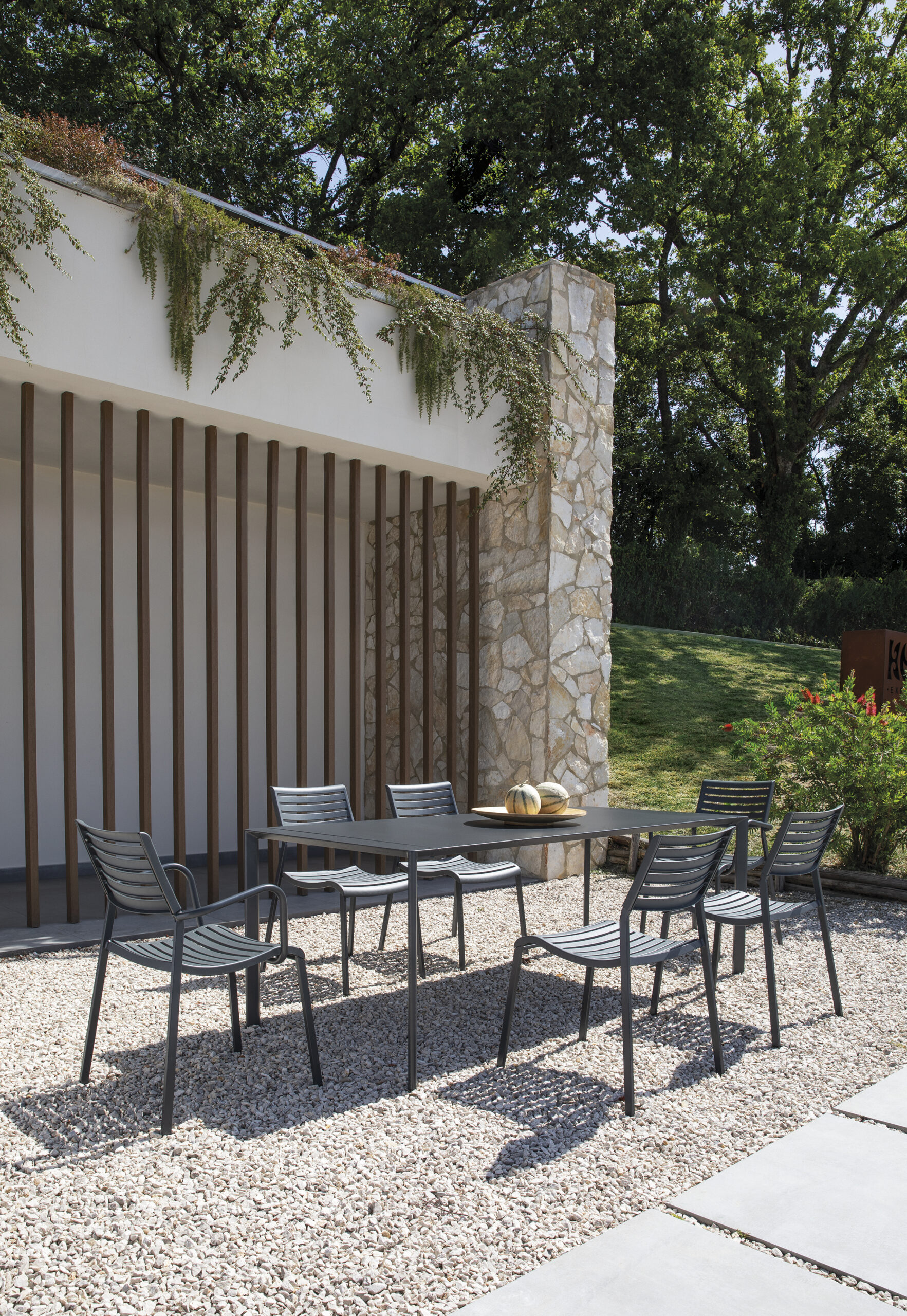
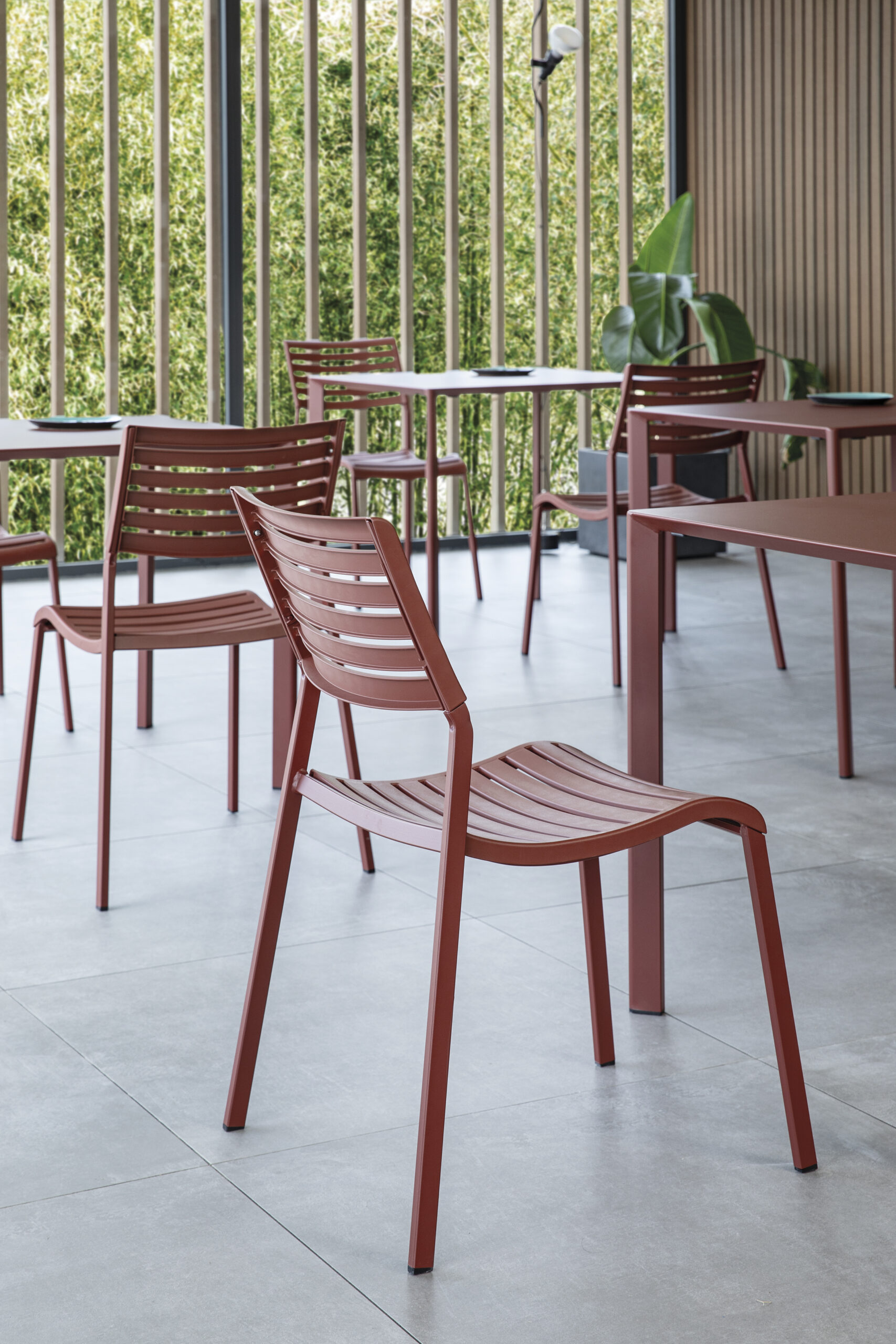
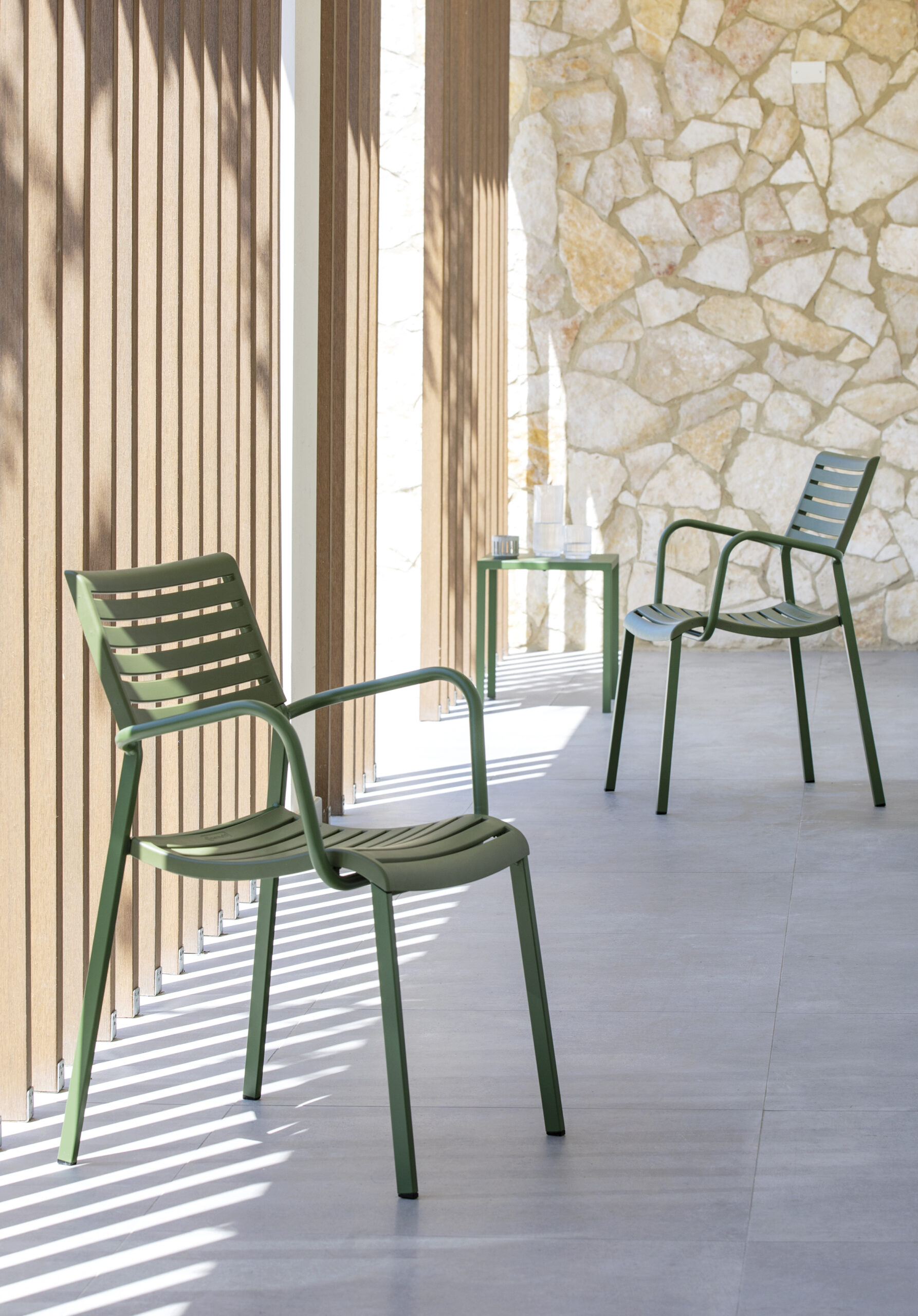
It is in this context that NINA takes shape, born from the collaboration between Vermobil, STUDIO ZETASS and the creative direction of Marcello Ziliani. A stackable armchair, available with or without armrests, designed for dynamic environments such as bars and public spaces, where lightness, functionality and durability are essential. The galvanised steel frame is combined with a recycled polypropylene shell, a choice that ensures resistance to moisture, scratches and UV rays, while the vibrant colour palette gives the seat a contemporary and versatile character.
Ziliani describes NINA as an exercise in design regeneration: starting from what already exists, reinterpreting it and transforming it into something new, capable of lasting longer. An approach that, in his words, represents one of the most authentic forms of sustainability. And indeed, this is precisely what NINA expresses: a design that not only responds to the needs of the present, but also builds value for the future.