
At Salone del Mobile.Milano 2026, Febal Casa presents an exhibition concept that goes beyond the traditional notion of furniture to offer a comprehensive and coherent vision of contemporary living. The stand, located in Hall 04, is designed as an integrated system capable of adapting to different contexts whilst maintaining a strong stylistic identity, an expression of a design philosophy that combines research, technology and product culture. The principle “If it’s Febal, it’s Home. Everywhere” encapsulates an approach that spans every sphere, from retail spaces to private homes, creating a recognisable and universal language. The project highlighted an evolved vision of domestic design, where aesthetics, function and identity engage in a continuous dialogue.
The exhibition space, spread over a large area, was conceived as an immersive journey in which visitors were guided through fluid, interconnected environments. The design signature of the A++ studio, led by Carlo Colombo and Paolo Colombo, created in collaboration with the Colombini Group’s research team, resulted in a minimalist and rigorous architecture, inspired by the principles of Italian rationalism, capable of enhancing proportions, volumes and the relationships between solid and void. Light played a decisive role, transforming surfaces and materials into narrative elements and helping to create depth and visual rhythm.
Within the exhibition space, Febal Casa has translated its vision of living into four distinct concepts, each reflecting different lifestyles and contemporary sensibilities, ranging from dynamic well-being to a more intimate and relaxed atmosphere. These atmospheres take shape in four distinct design visions – Natural Rationalism, Tech City, Nordic Ease and Comfort Way – each conceived to give domestic spaces a precise identity. These are not mere sets, but genuine narrative universes in which materials, finishes and details interact to create coherent spaces, capable of offering an immersive and deeply distinctive experience.
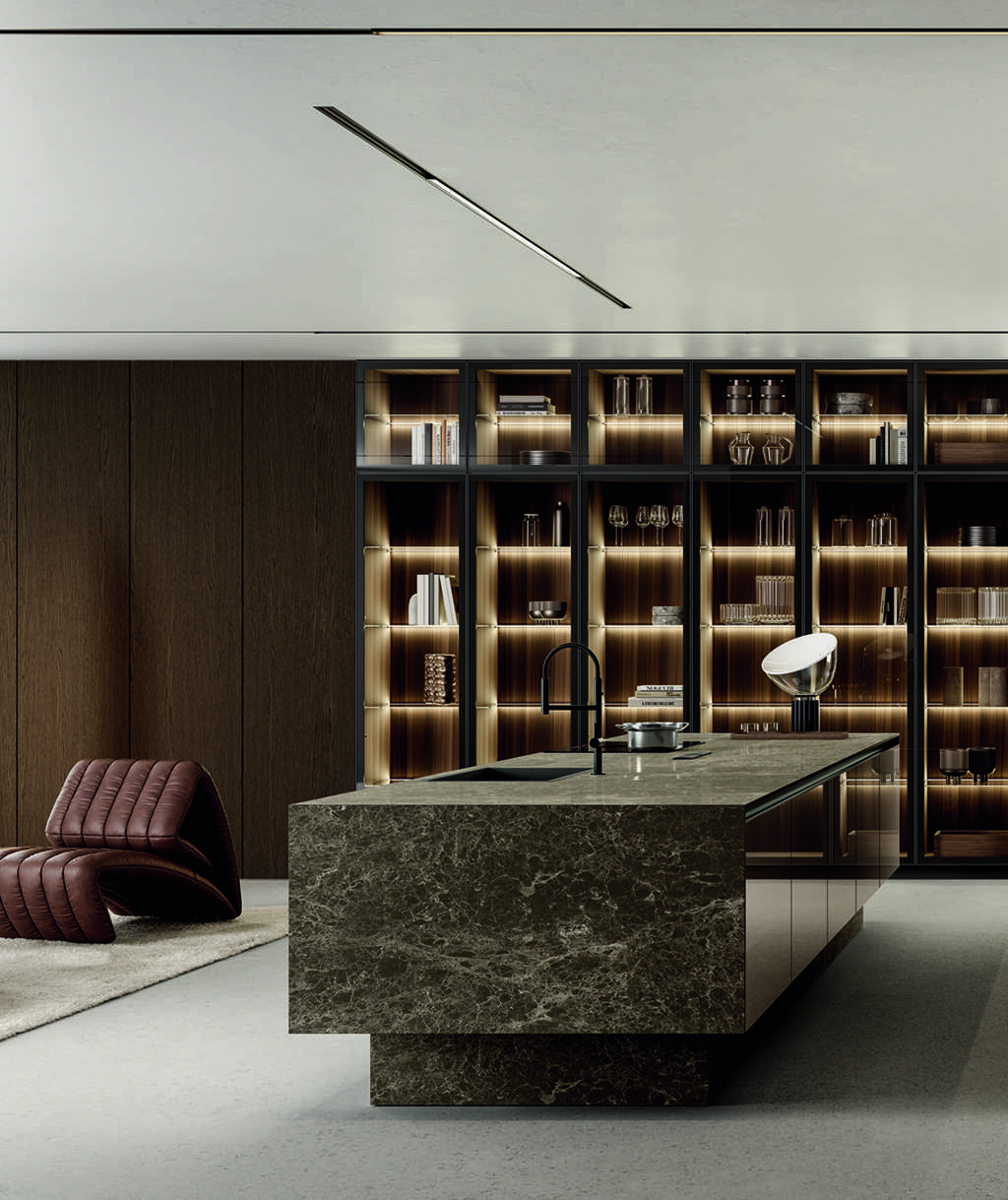
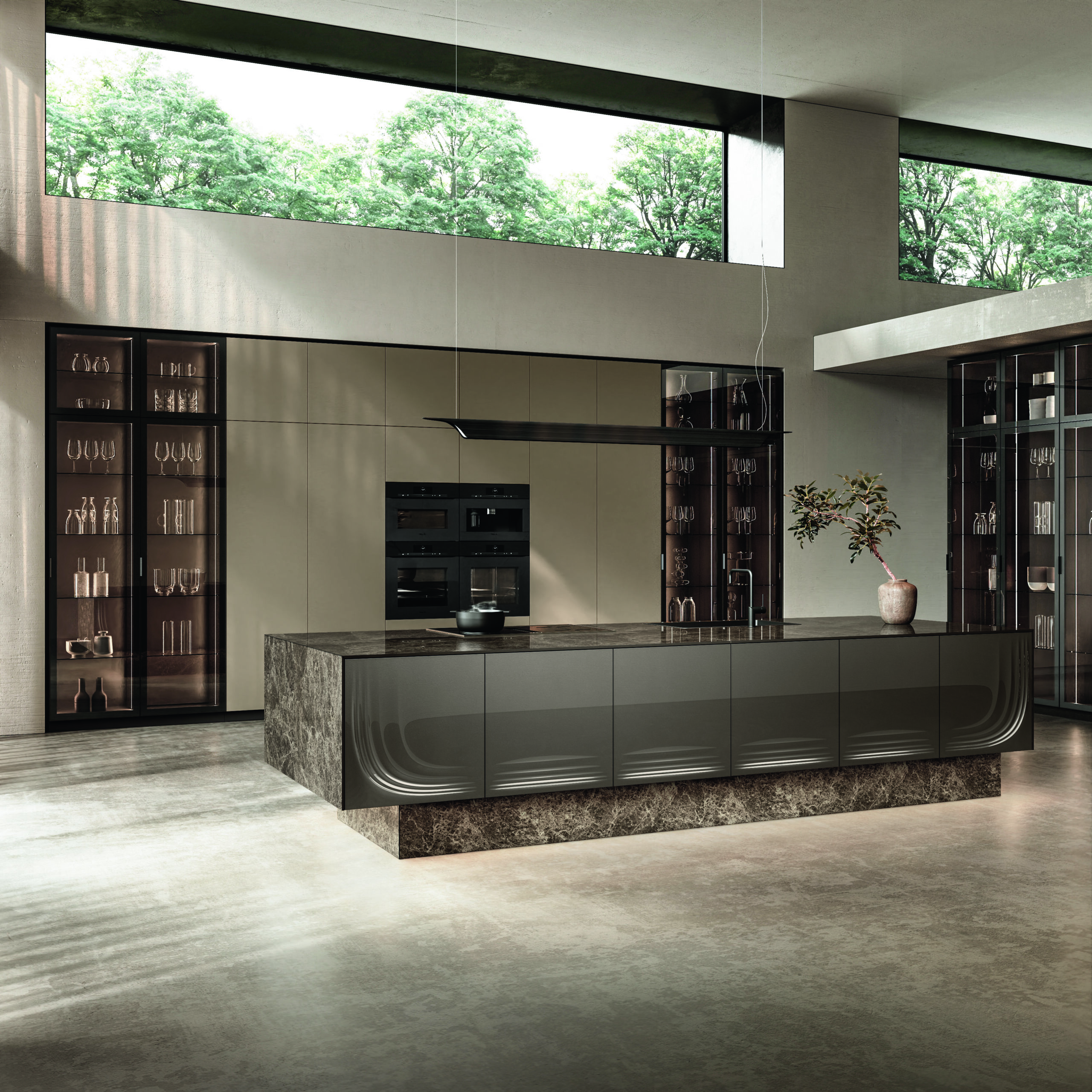
Natural Rationalism strikes a balance between design rigour and natural textures, creating minimalist spaces where organic surfaces and meticulous detailing define a sense of measured well-being, with the kitchen at the heart as a connecting element between aesthetics and functionality. This focal point unfolds through a composition divided into two distinct yet complementary areas: on one hand, a more formal and dramatic zone, characterised by clean lines and the presence of the ONDA island – the result of a collaboration with Zaha Hadid Architects – which introduces a fluid and iconic element; on the other, a more functional and practical area, organised with advanced technical solutions and refined materials. Linking these two worlds is a design continuity of finishes, surfaces and details that extends to the surrounding spaces, such as the living room, where the ONDA aesthetic continues through elements that evoke the movement of water. The result is a harmonious and coherent space, where form, function and emotion coexist, transforming the kitchen into a central hub capable of bridging aesthetics and everyday life.
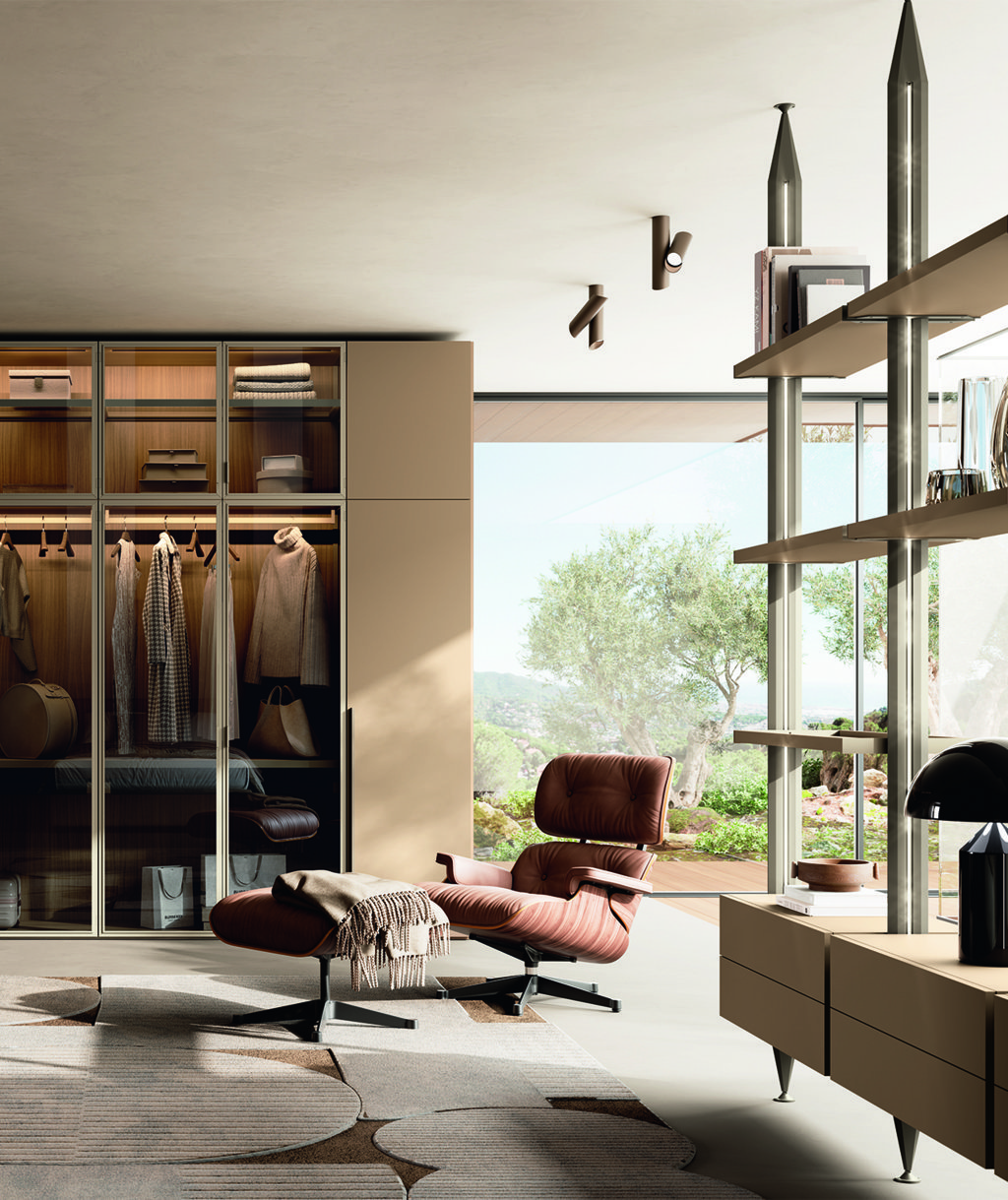
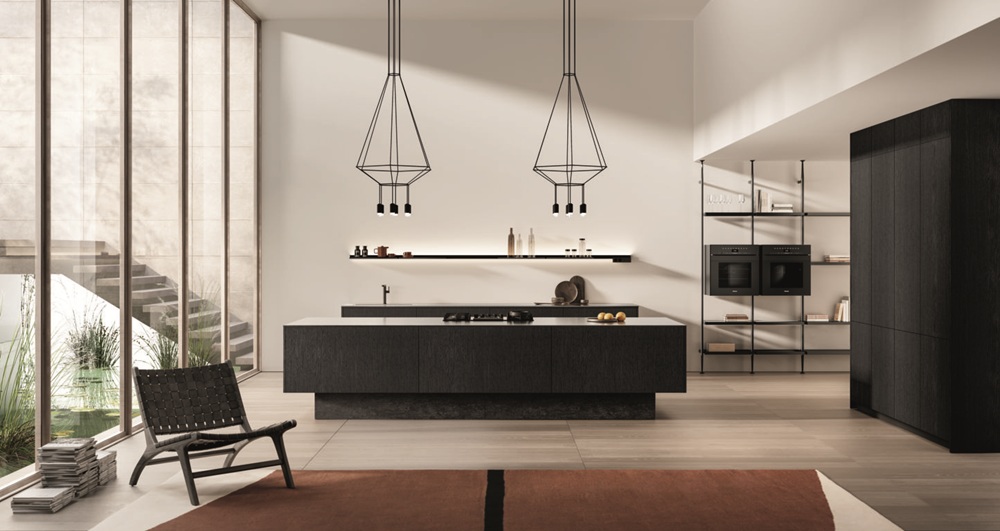
Tech City, on the other hand, translates the rhythm of urban life into dynamic, interconnected environments, where technological materials, textural contrasts and articulated compositions make the home a place of interaction and constant movement. Nordic Ease creates an intimate, tranquil atmosphere, enhanced by distinctive features such as the Libeskind022 door by Daniel Libeskind, integrated into the bookcase, and the Cloud sofa with its enveloping shape, which transform the space into a harmonious blend of architectural design and comfort. Finally, Comfort Way develops a concept of living that is slower and more enveloping, characterised by warm materials, welcoming proportions and a fluid continuity between rooms, giving shape to harmonious spaces that invite you to experience the home with naturalness and comfort.
The exhibition space was designed to showcase the brand’s ability to translate different lifestyles into tangible environments, each with its own distinct identity yet forming part of a harmonious whole. Febal Casa has created a variety of scenarios that reflect the diverse needs of contemporary living, ranging from minimalist, material-focused atmospheres to more dynamic, urban settings, and intimate, relaxed spaces. In each setting, materials, finishes and design solutions have created complete sensory experiences, in which every detail helped to strike a balance between functionality and emotion.
Particularly evident was the research into materials, a key element in establishing a recognisable and universal language. Surfaces inspired by natural stone, refined finishes and colour continuity have helped to create a coherent aesthetic, capable of uniting the different spaces into a single narrative. This approach has also highlighted the brand’s evolution in its engagement with the retail sector and contract projects, strengthening its international presence and its ability to adapt to different markets whilst maintaining high standards.
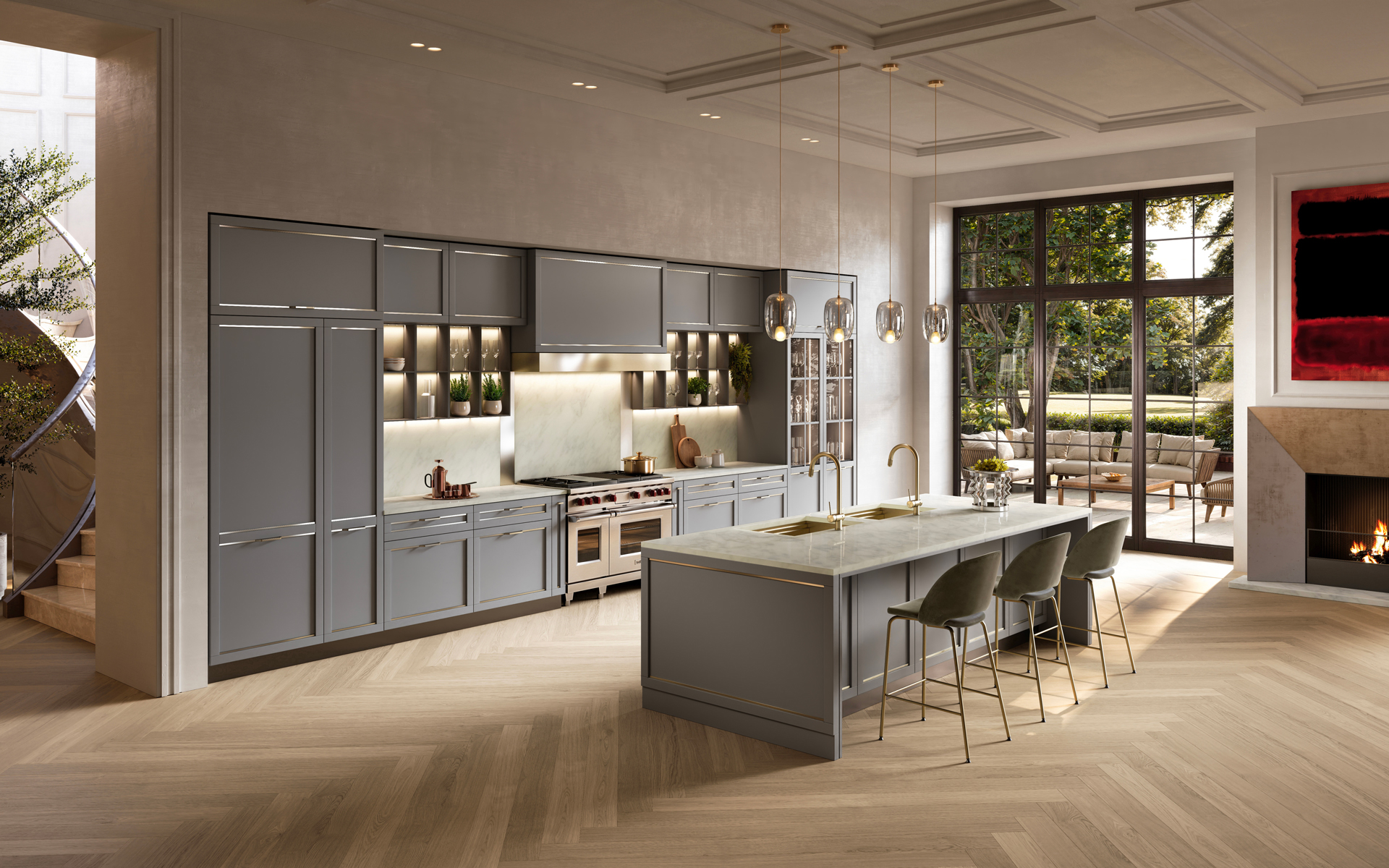
The exhibition space also served as the setting for the “Italiana” kitchen concept, developed in collaboration with architect Massimo Iosa Ghini, which embodies a precise and balanced design language. The composition is based on controlled symmetry, a hallmark of the designer, reinterpreted to suit the habits of the US market: on the island, integrated appliances and sinks are repeated, creating a highly functional layout. The result is an efficient and well-organised space, where aesthetic refinement and practicality coexist naturally and coherently.
With this participation, Febal Casa reaffirmed its positioning in the high-end market segment, demonstrating how design can become a tool for interpreting new ways of experiencing spaces. The experience on offer was not limited to observation, but invited visitors to engage with the spaces, transforming the stand into a place to be explored and experienced. The final result was a mature and coherent design narrative, in which the home emerges as a constantly evolving organism, capable of reflecting the habits, desires and transformations of contemporary life.