
Every project begins with a choice. Sometimes it means preserving a historic building without altering its identity; at other times, it means rethinking how an opening functions or developing solutions that do not yet exist. It is precisely this ability to create what has never been realised before that defines Capoferri’s approach. Engineering is understood not as adapting a design idea to the limits of existing technology, but as a process of developing the expertise required to make that vision possible.
The company’s method is built on a continuous dialogue between architecture, engineering and manufacturing. Every system is studied, tested and prototyped to ensure that the final solution faithfully translates the architect’s intent while balancing formal quality, technical performance and buildability.
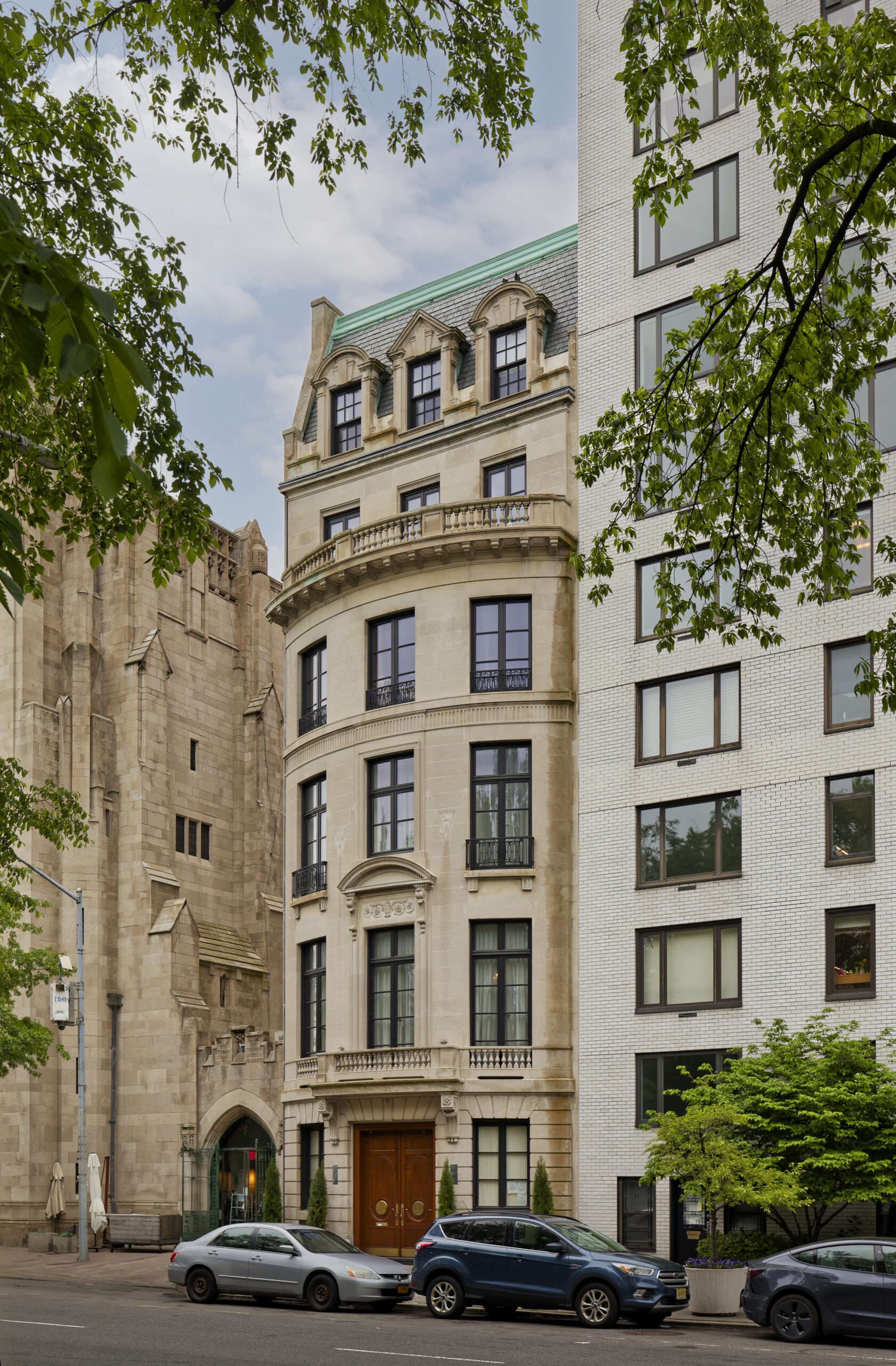
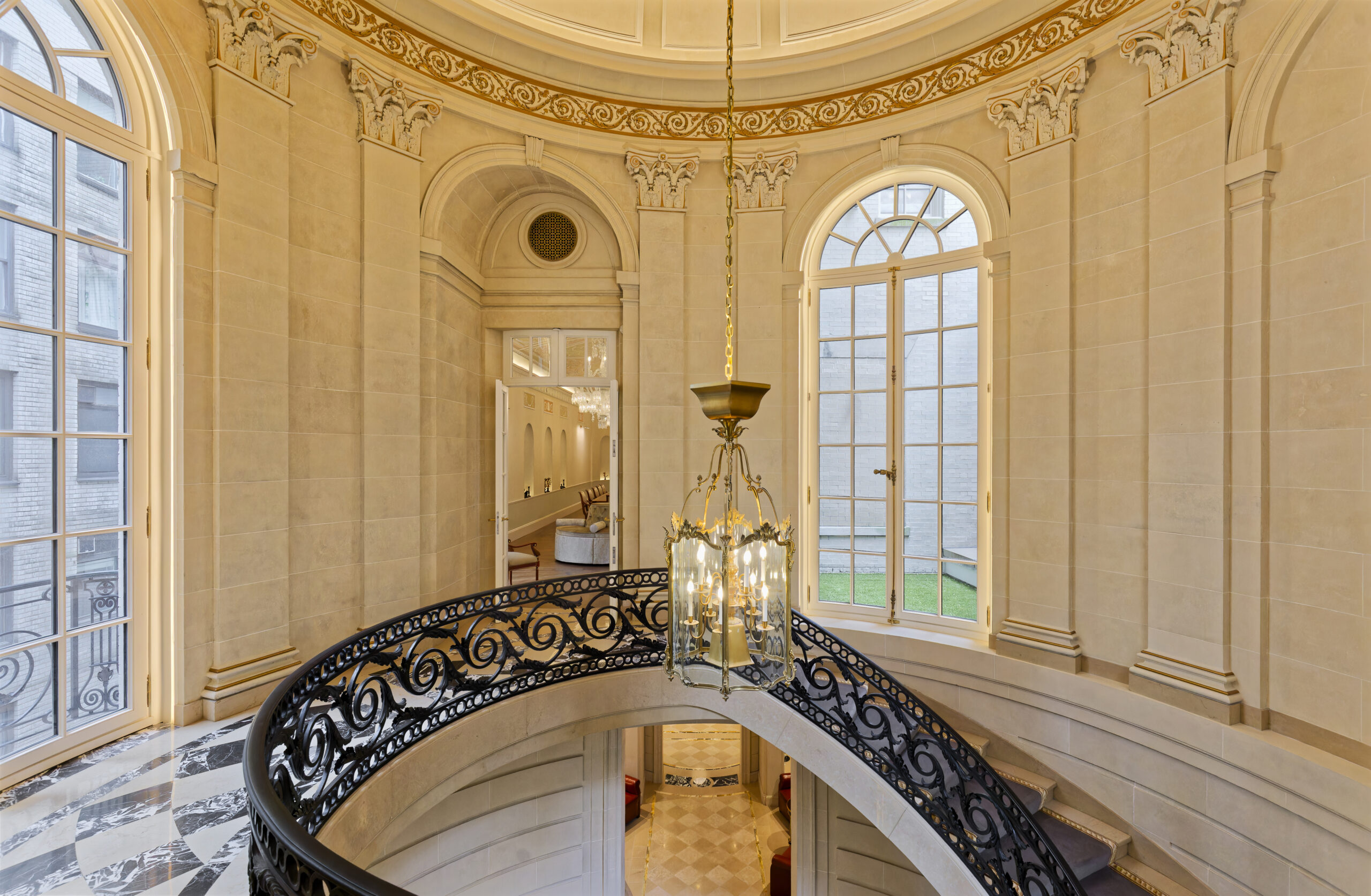
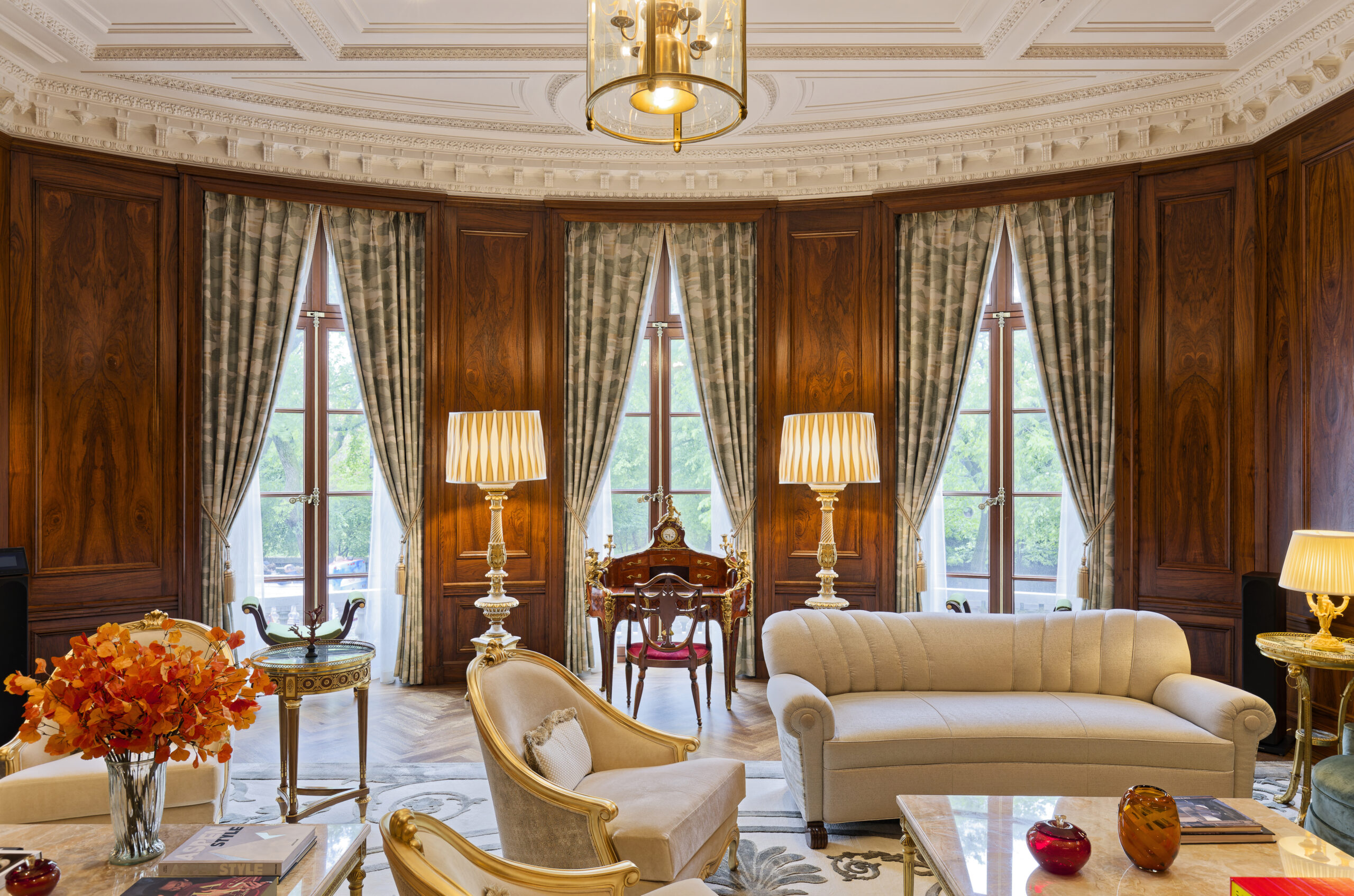
This approach takes different forms depending on the project. In the restoration of a historic residence on Fifth Avenue in New York, the objective was to preserve the building’s identity while enhancing its comfort and performance. Each window was surveyed and reconstructed with millimetre precision, preserving the original hardware wherever possible and improving thermal insulation, air and water tightness without altering the building’s architectural language.
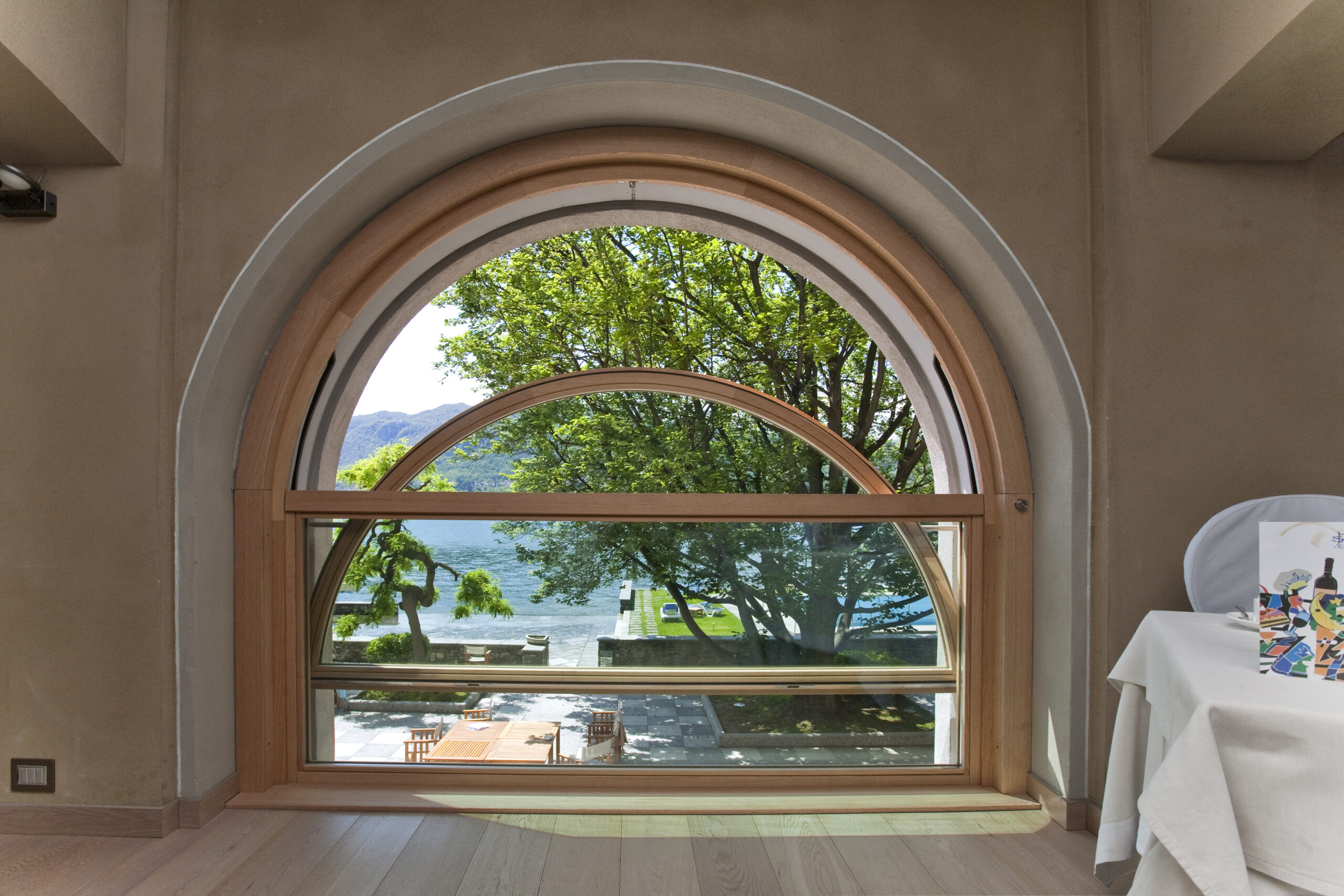
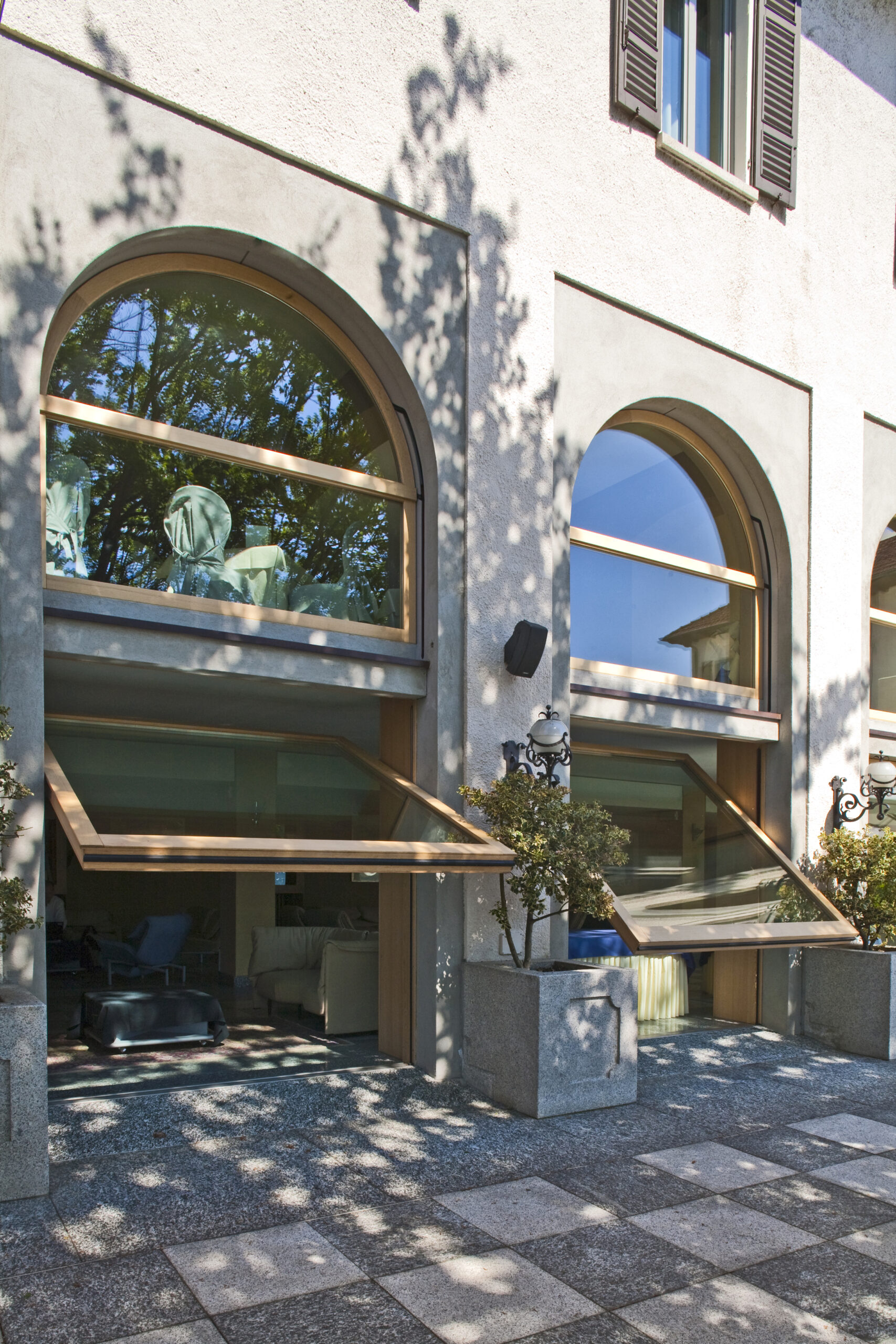
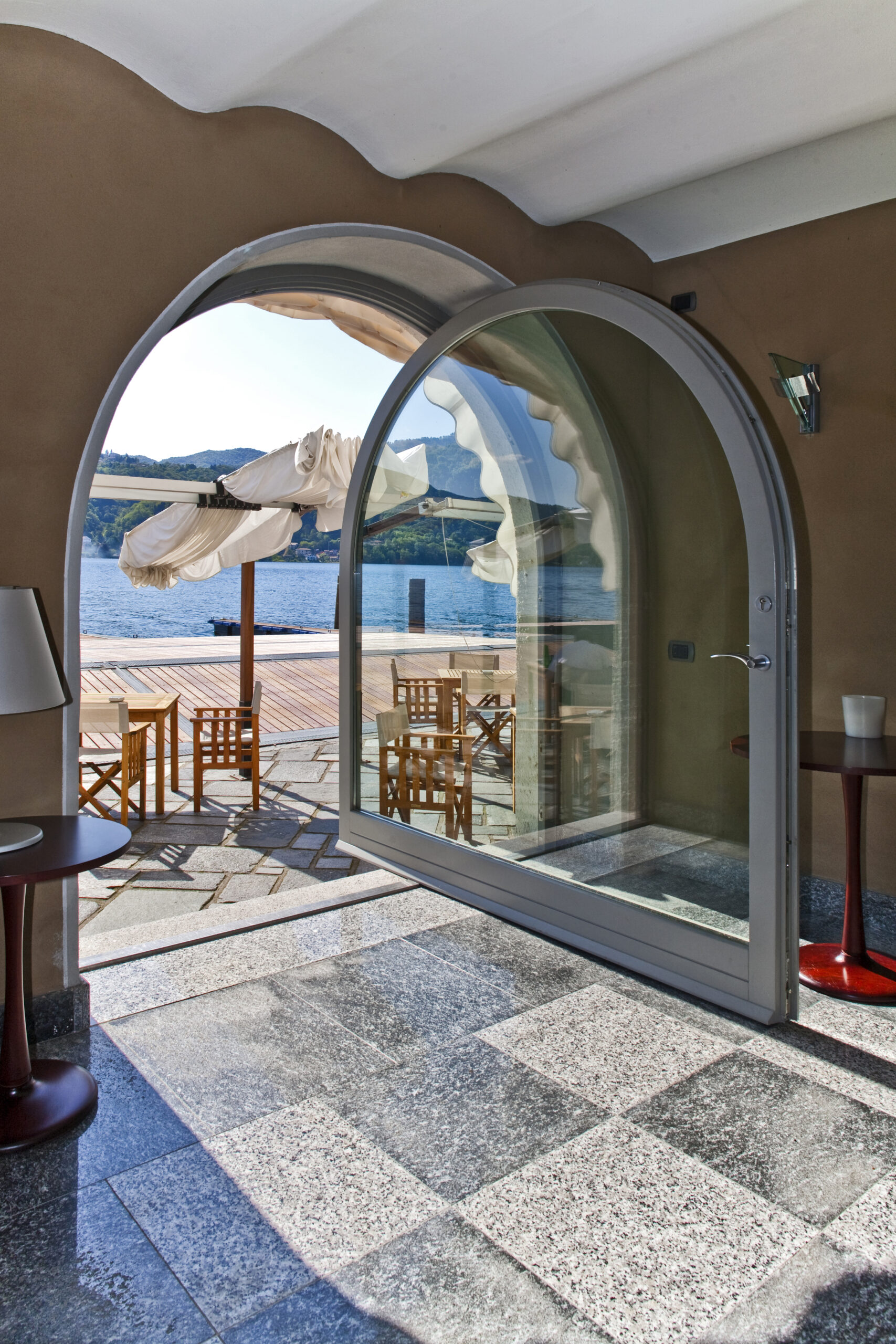
At the Hotel San Rocco on Lake Orta, the research focused instead on redefining the relationship between interior and exterior spaces. Bespoke arched sash windows, fully glazed pivoting systems and motorised pivot doors were developed to free the entire opening, reconciling architectural intent, heritage constraints and technical performance.
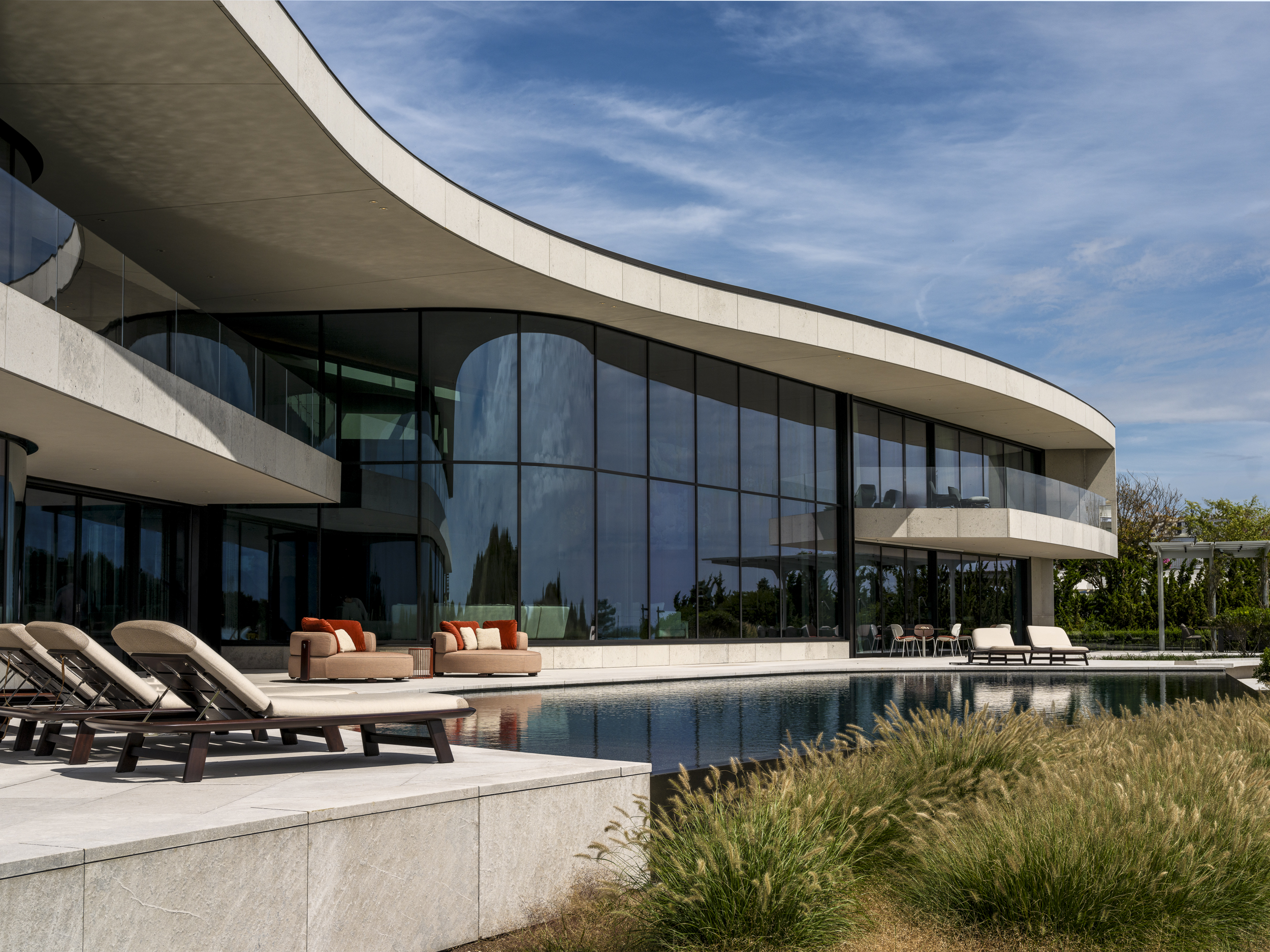
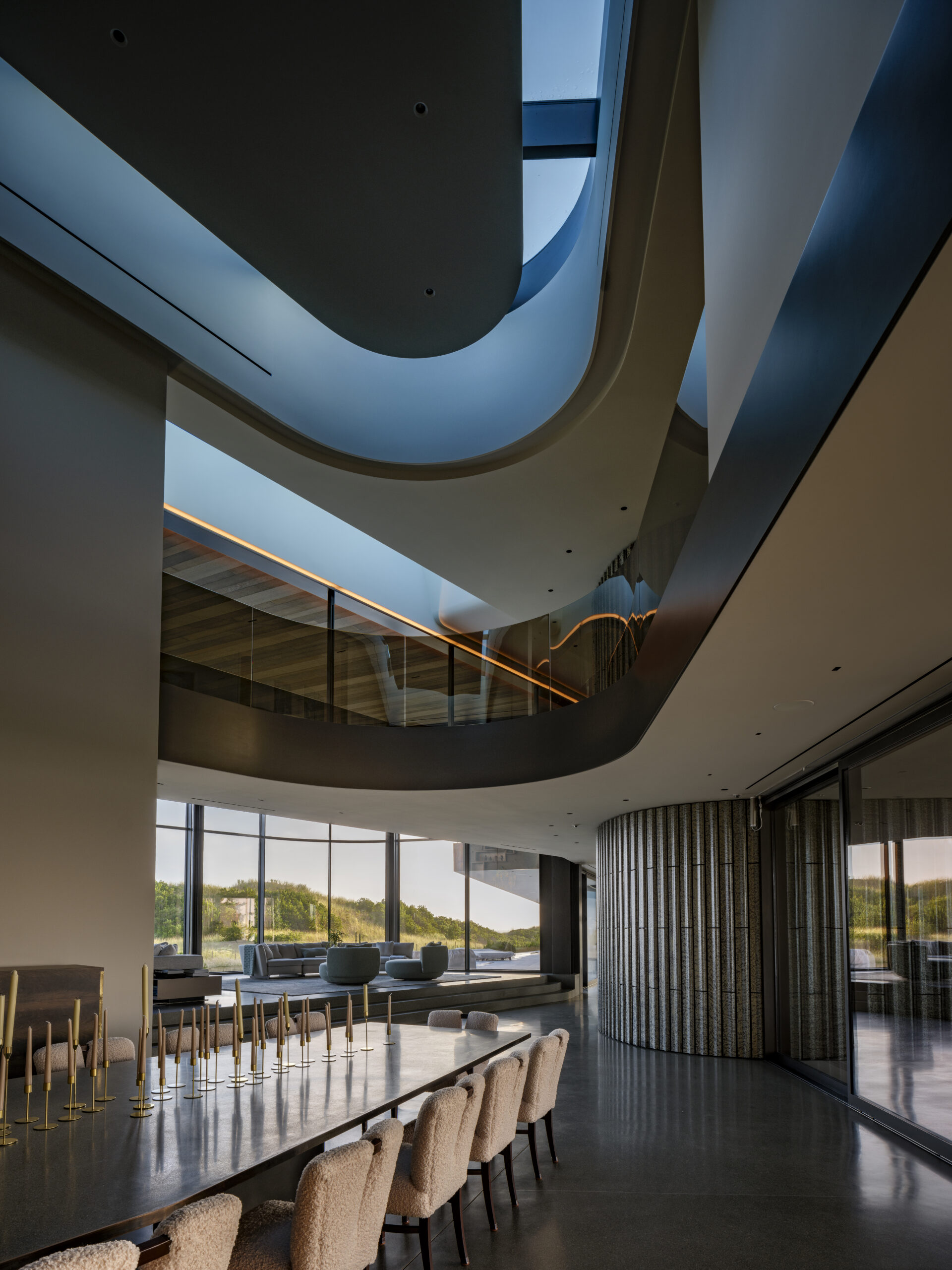
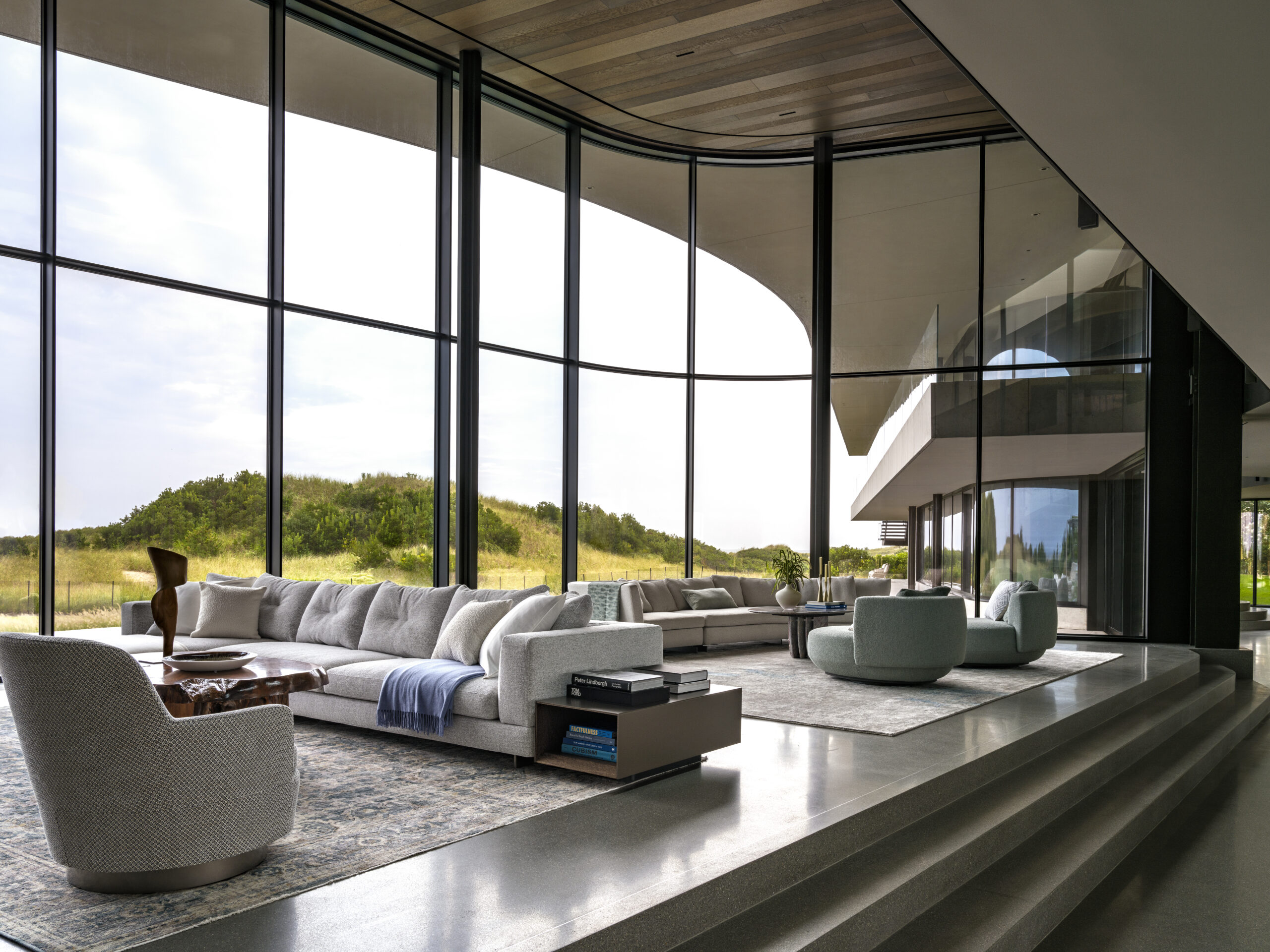
In the Private Residence in the Hamptons, the research was pushed even further. A fully retractable system allows an entire glazed wall to disappear into the floor, while every component underwent an extensive programme of prototyping and laboratory testing – including hurricane tests – to ensure performance under the site’s demanding environmental conditions. Even the furnishings became part of the design investigation, as demonstrated by a table over seven metres long, engineered to disappear into the floor, allowing the architecture itself to reclaim the space.