
Long after the machines have gone silent, quarries remain one of the most dramatic man-made landscapes on earth: immense voids carved into mountainsides, monumental absences where geology and human ambition have collided. They are places that resist easy interpretation. Neither nature nor architecture, neither ruin nor infrastructure, they occupy an uncertain territory between destruction and possibility.
This year a quarry became the protagonist of one of the architectural projects to emerge from the Academy of Mendrisio USI. The diploma programme 2026, directed by Martino Pedrozzi under the title Ticino. Valli laterali, invited 130 students to consider the Swiss Canton as a unified territorial system. The emphasis was not on isolated objects but on relationships: between valleys and cities, geography and settlements, local communities and broader cultural networks.
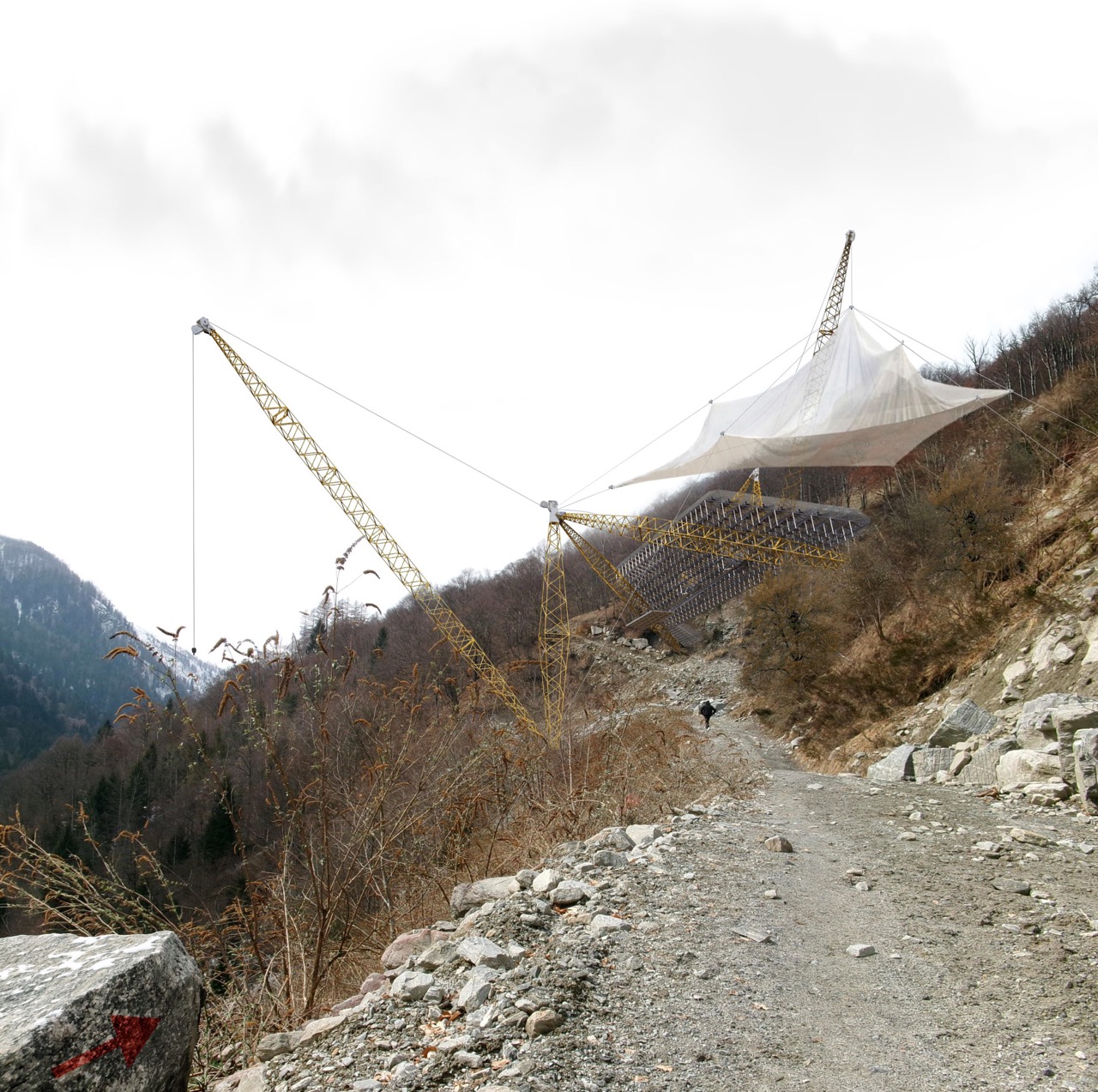
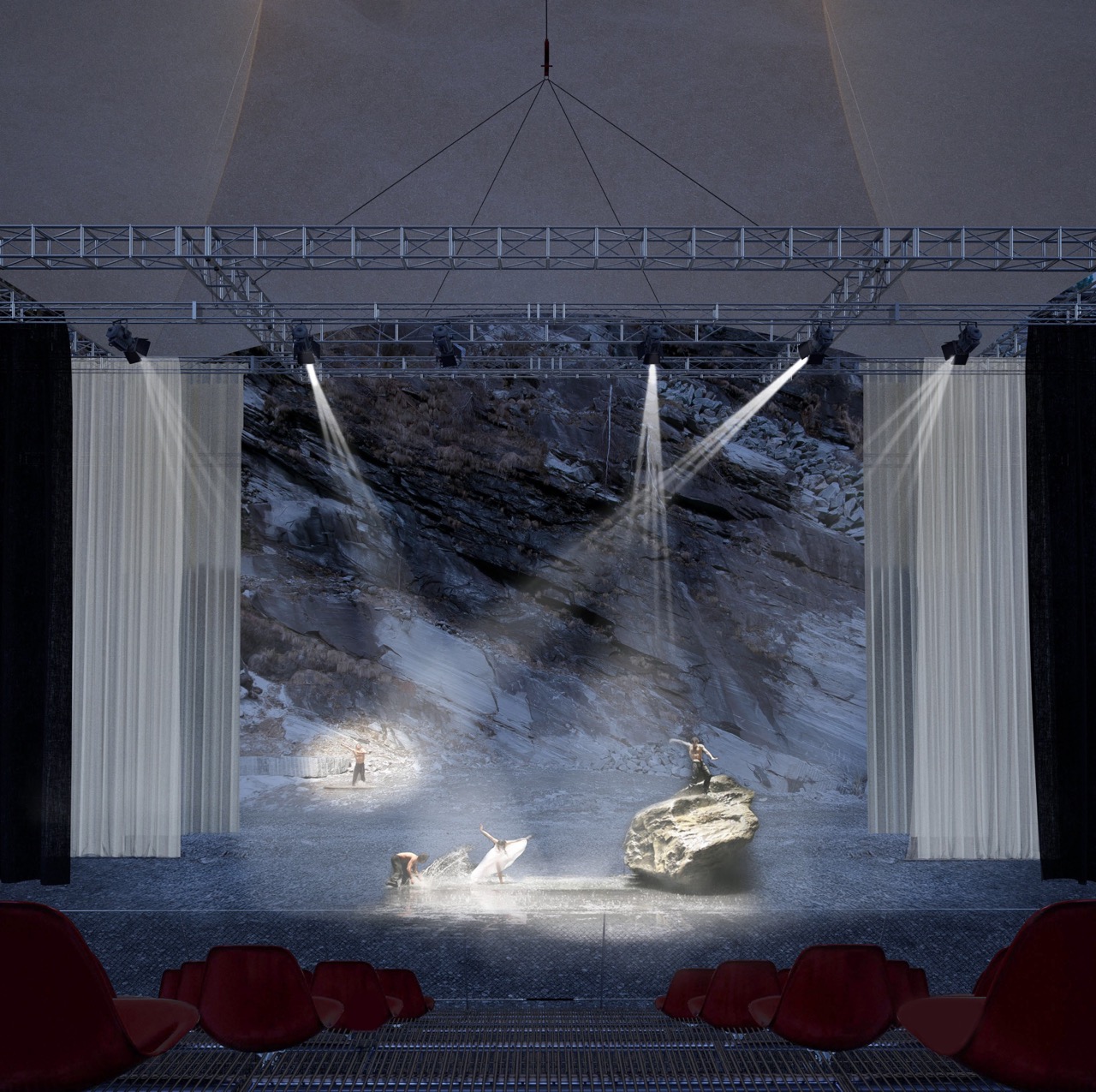
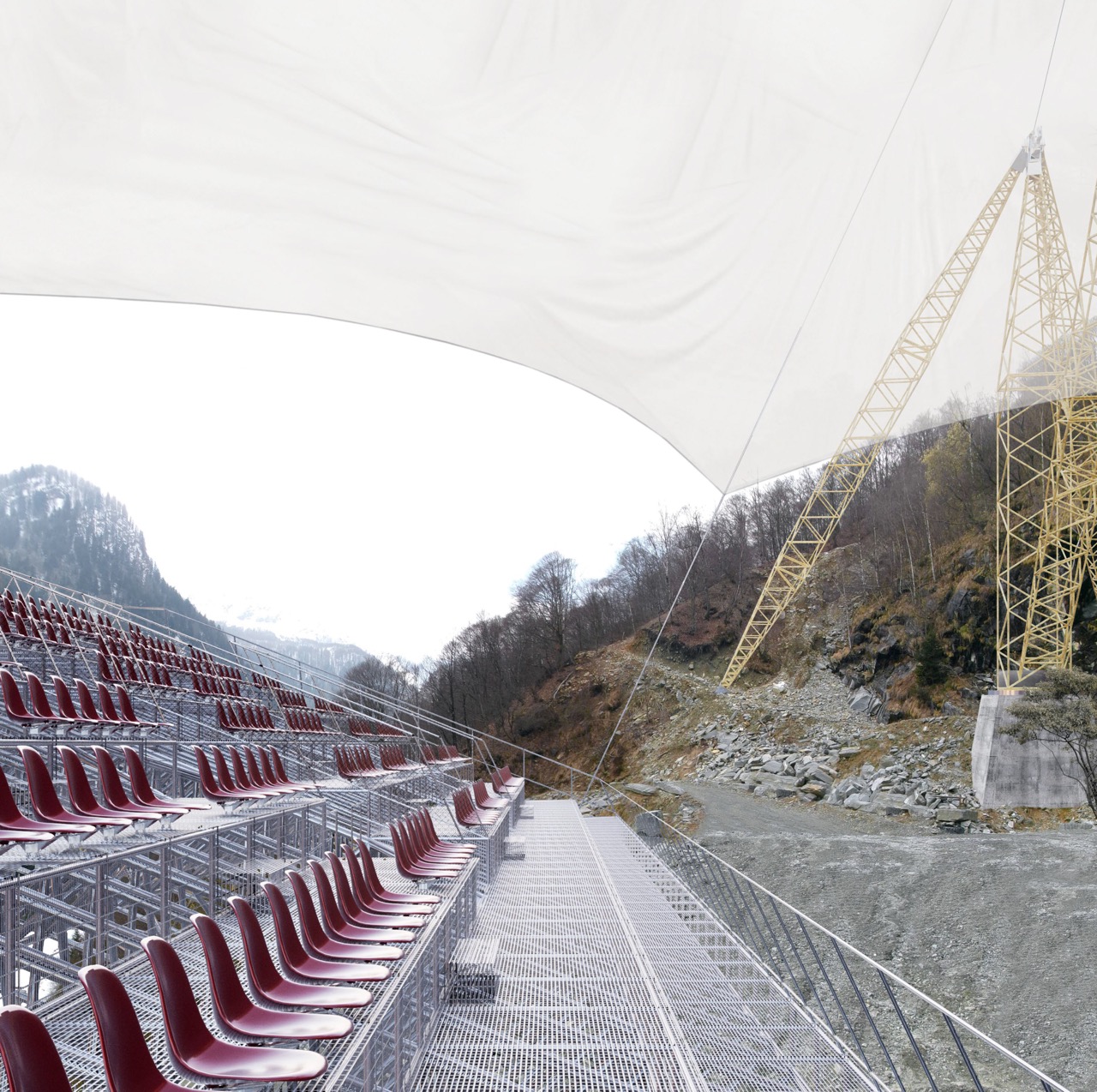
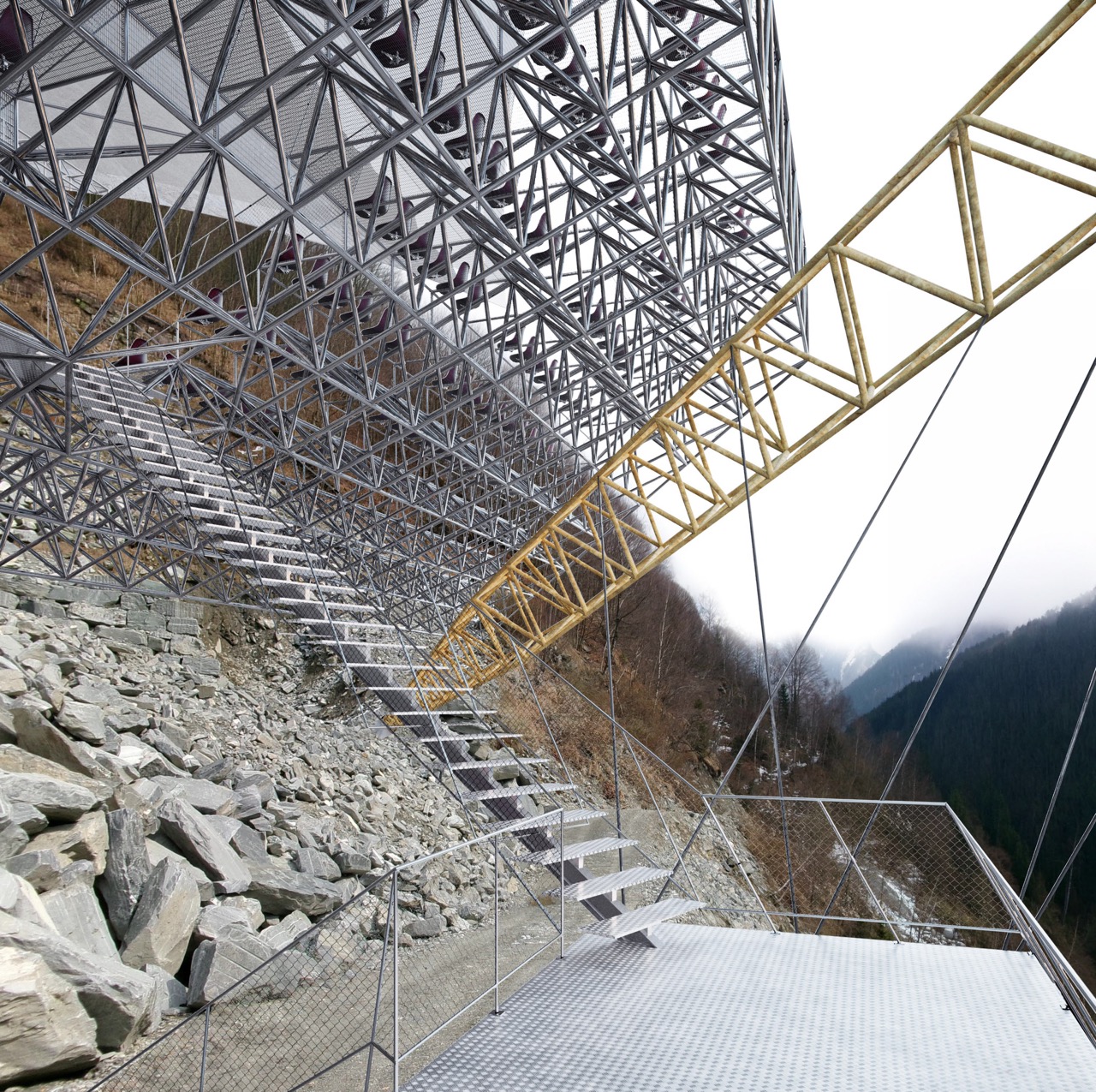
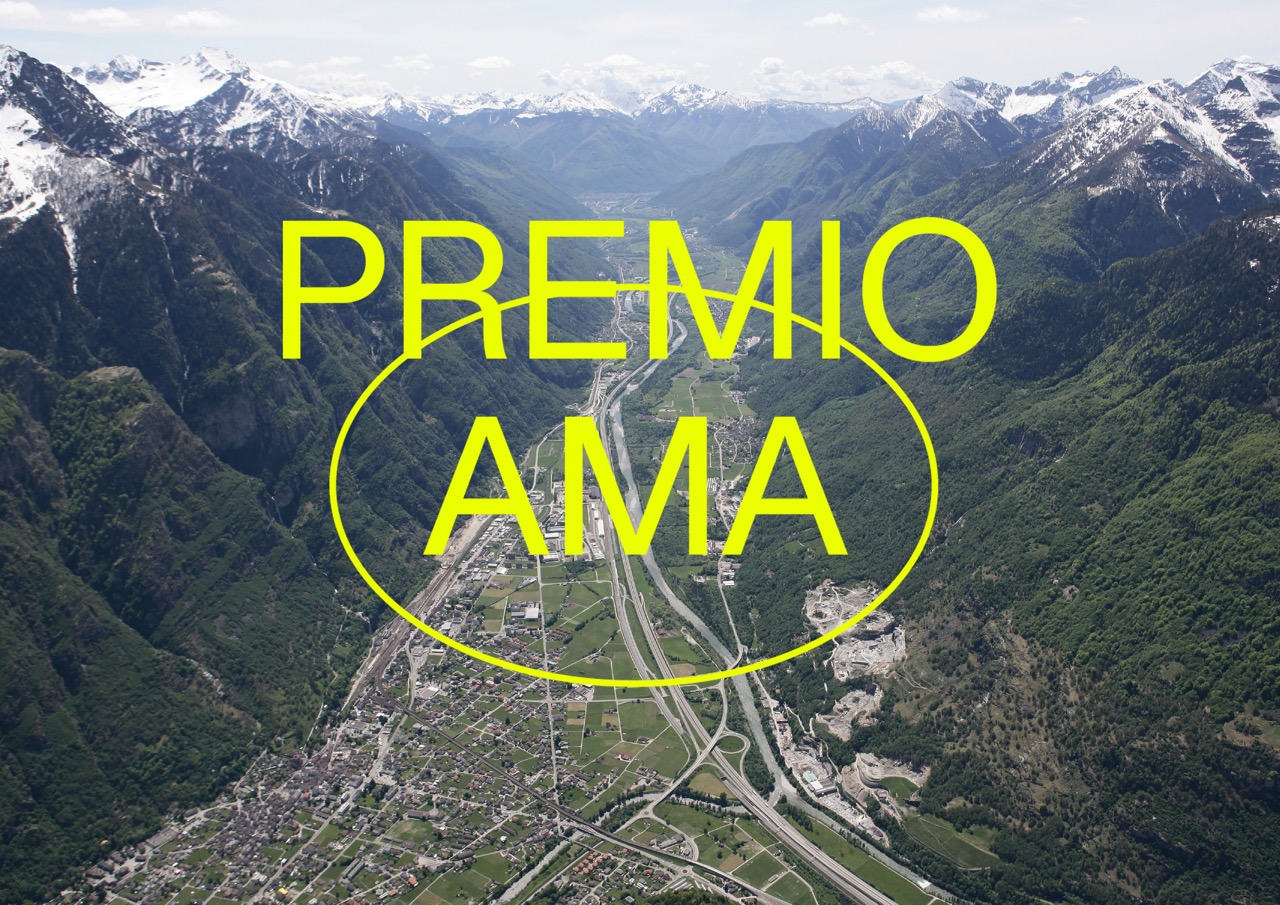
Awarded the inaugural AMA Prize, Elisa Valentina Botti’s diploma project, The Quarry as an Stage, proposes the transformation of an abandoned extraction site into a civic and cultural landscape. The gesture appears straightforward, yet beneath its apparent simplicity lies a question that increasingly defines contemporary architecture: how do we build in a world where much has already been built, excavated, consumed, and abandoned?
Today, empty territory scarcely exists. Contemporary architect inherits a world of leftovers: industrial sites, exhausted landscapes, obsolete infrastructure, shrinking towns, forgotten buildings. More and more often architects operate within existing conditions, latent possibilities concealed within places that appear complete or irreparably damaged. The quarry belongs to this category.
Extraction sites have always occupied an ambiguous place in cultural imagination. What makes Botti’s project resonant is the refusal to conceal history. Rather than restoring the quarry to a mythical natural condition, it embraces and exploit the artificiality of the site. The void becomes a public space. The wound becomes an instrument. The absence a stage.
Not theatre as spectacle, but theatre in its original civic sense: a place where a community gathers. Regeneration and adaptive reuse are the focal reading key. The quarry excavated walls become evidence of memory, of economic systems, material desires, labour histories and territorial transformations. In an era marked by environmental urgency, architecture can no longer rely on endless expansion of resources and the built environment.
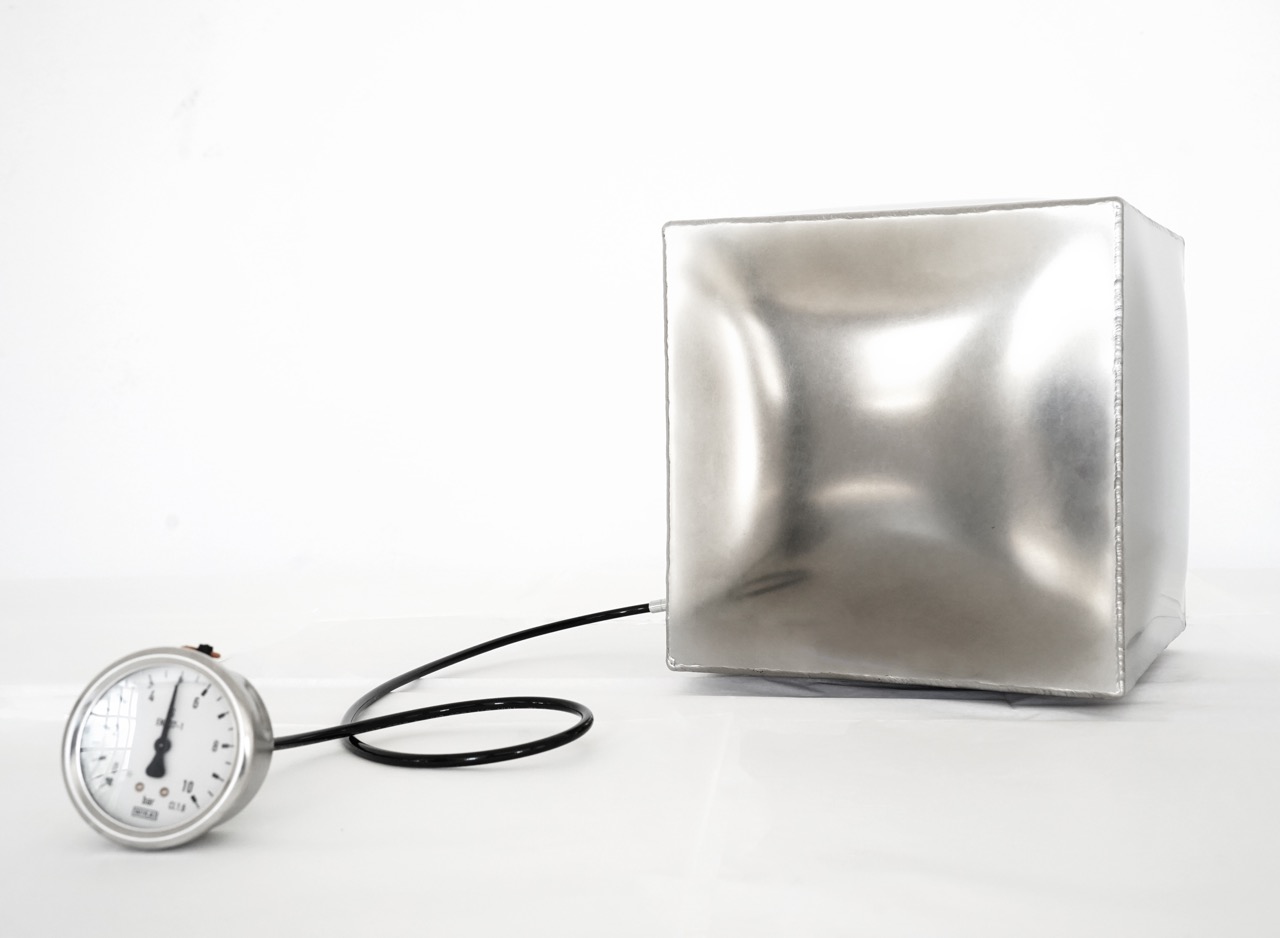
Another object present at the ceremony seemed to engage in an ideal dialogue with the winning project. For the AMA prize, artist Arcangelo Sassolino created a sculpture titled Origine del possibile. A welded steel cube filled with oil subjected to hydraulic pressure. The work contains an invisible force. The pressure cannot be seen. The energy remains suspended, latent, waiting to become action. Sassolino described it not as a metaphor but as a real physical condition.
For decades, architecture schools have oscillated between two ambitions: on one side, the desire to produce visionary proposals unconstrained by reality, on the other, the pressure to confront urgent social, economic, and environmental questions. The best diploma projects have always existed somewhere between these poles, radical enough to imagine alternatives, concrete enough to suggest their possibility. Botti’s quarry occupies precisely this territory. The project does not seek to erase the scar left by industry but transform absence into potential.
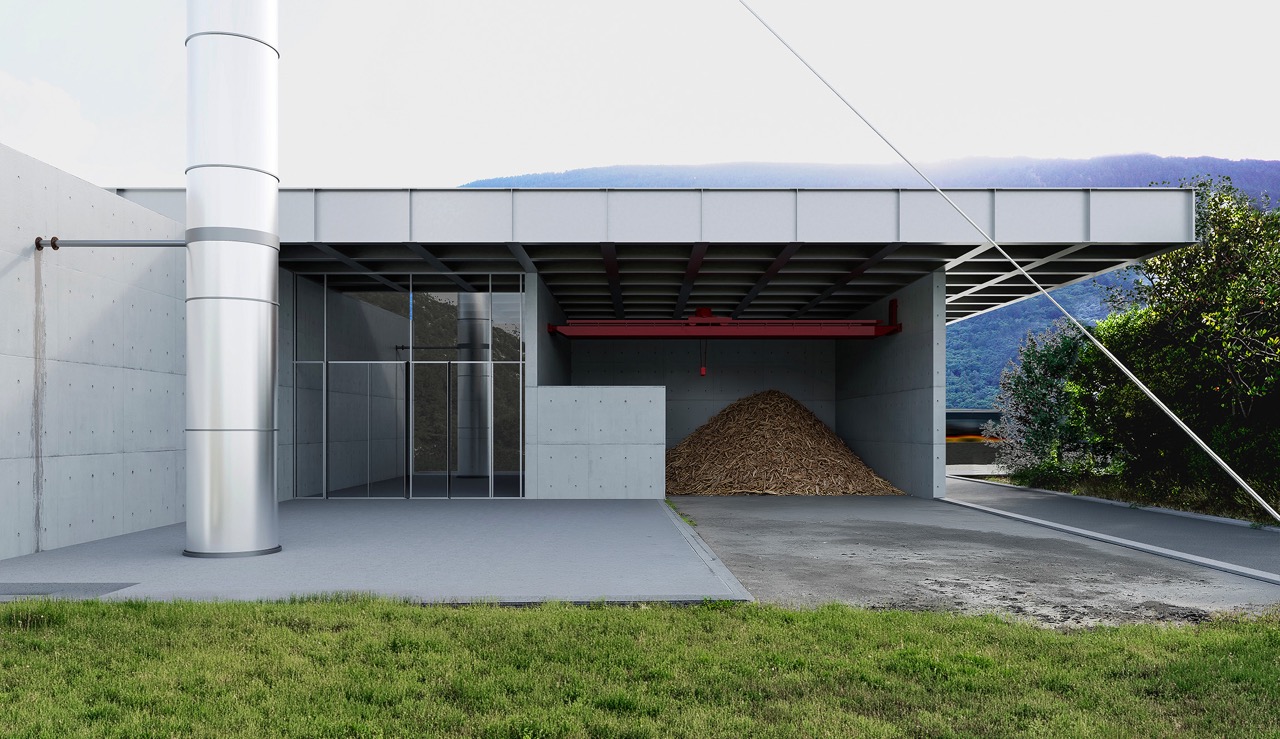
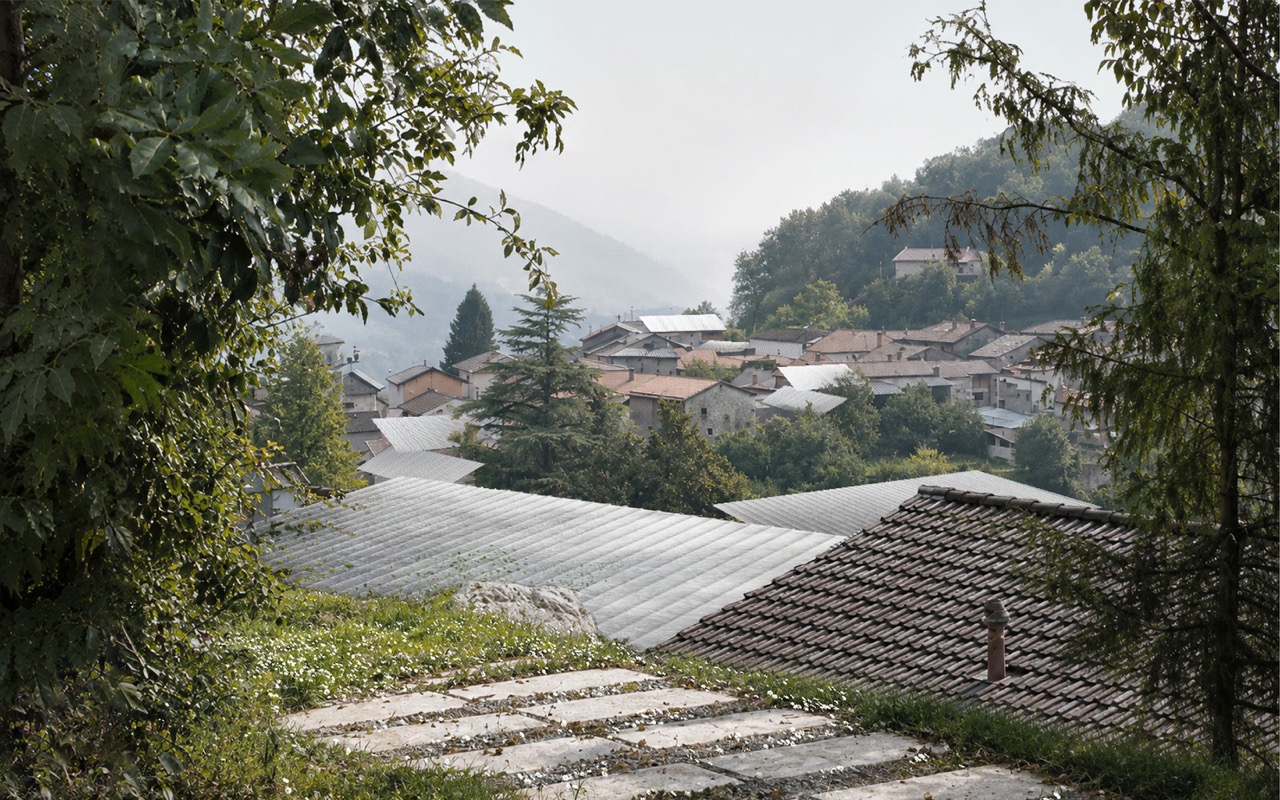
A worthy note goes to the projects awarded an Honourable Mention, Distretto artigianale by Marie Tassan-Din, that stands out for its ability to transform a fragmented infrastructural condition into a coherent civic landscape, bringing together production, energy and recycling, reinforcing the identity of the valley; The Modern Village by Gustav Karl Rune Sigvant offers an equally compelling reflection on contemporary forms of inhabitation, by proposing a resilient architecture of walls and “intelligent ruins” able to accommodate changing patterns of dwelling, work and mobility.
The AMA Prize focuses on this concept of “territorial architecture”: an approach that understands architecture not as an autonomous object but as a cultural act capable of ordering, interpreting, and giving meaning to a context. In this sense, the award suggests that architectural education may be rediscovering a civic ambition.
Founded in 2021, AMA, Accademia Mendrisio Alumni, has spent the past years constructing a network between generations of graduates while promoting a public debate on on the interdisciplinary relationship between architecture and the territory. Through exhibitions, conferences, publications, and international collaborations, it has sought to extend the life of architectural ideas beyond the confines of academy.
The next AMA event will take place on 23 October 2026 at the Laboratori Ansaldo of Teatro alla Scala in Milan: a gathering dedicated to the city’s urban development through the work of Academy graduates currently practicing in Milan.
CREDITS
Photo 1: AMA Prize – Accademia Mendrisio Alumni, Diploma 2026, Ticino Sguardi Laterali Photos 2–6: The Quarry as a Stage by Elisa Valentina Botti Photo 7: Origine del possibile (steel, oil, pressure gauge, H 25 × 24 × 50 cm). Photo and artwork by Arcangelo Sassolino Studio. Photo 8: Artisanal District by Marie Tassan-Din Photo 9: The Modern Village by Gustav Karl Rune Sigvant