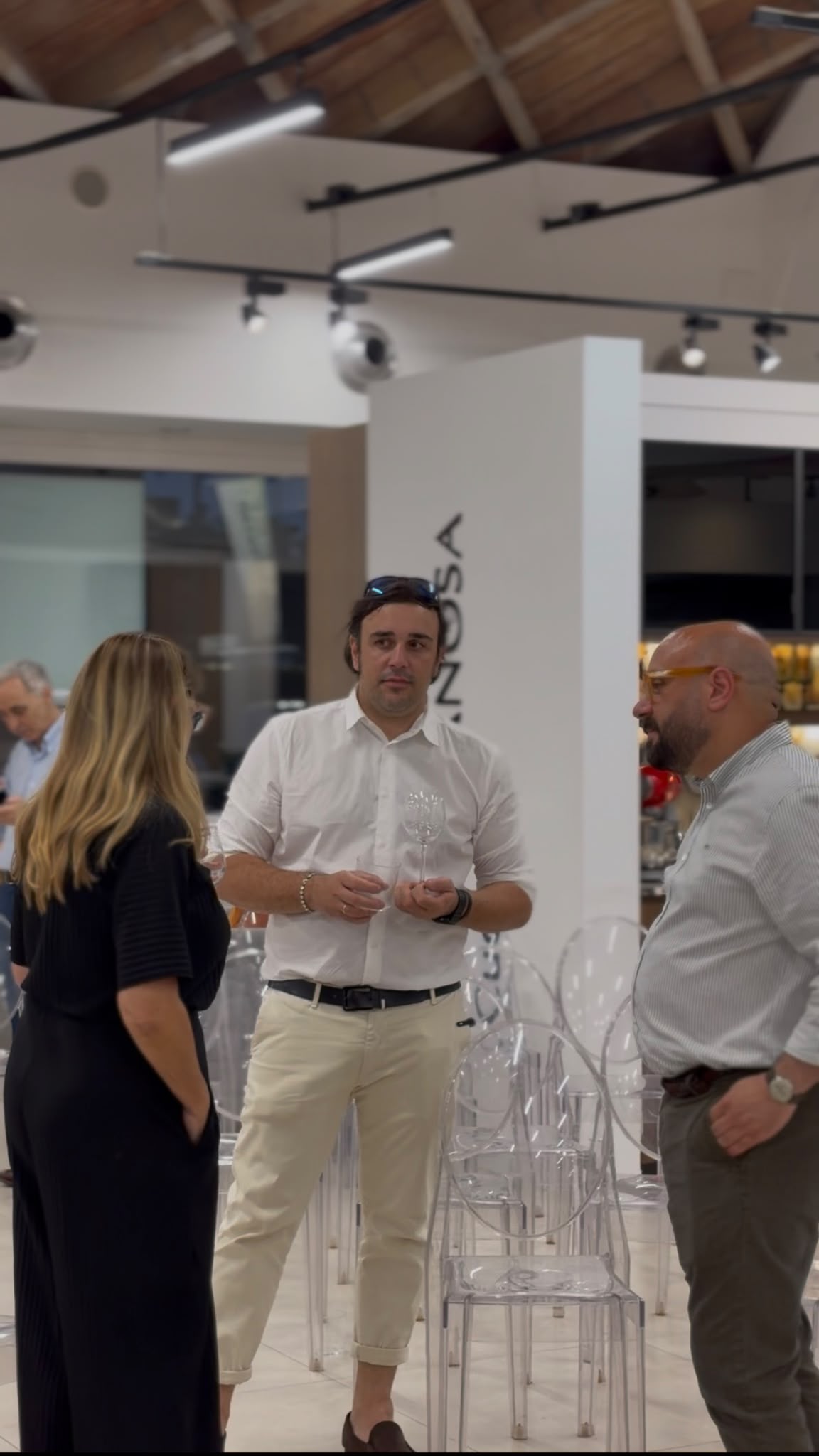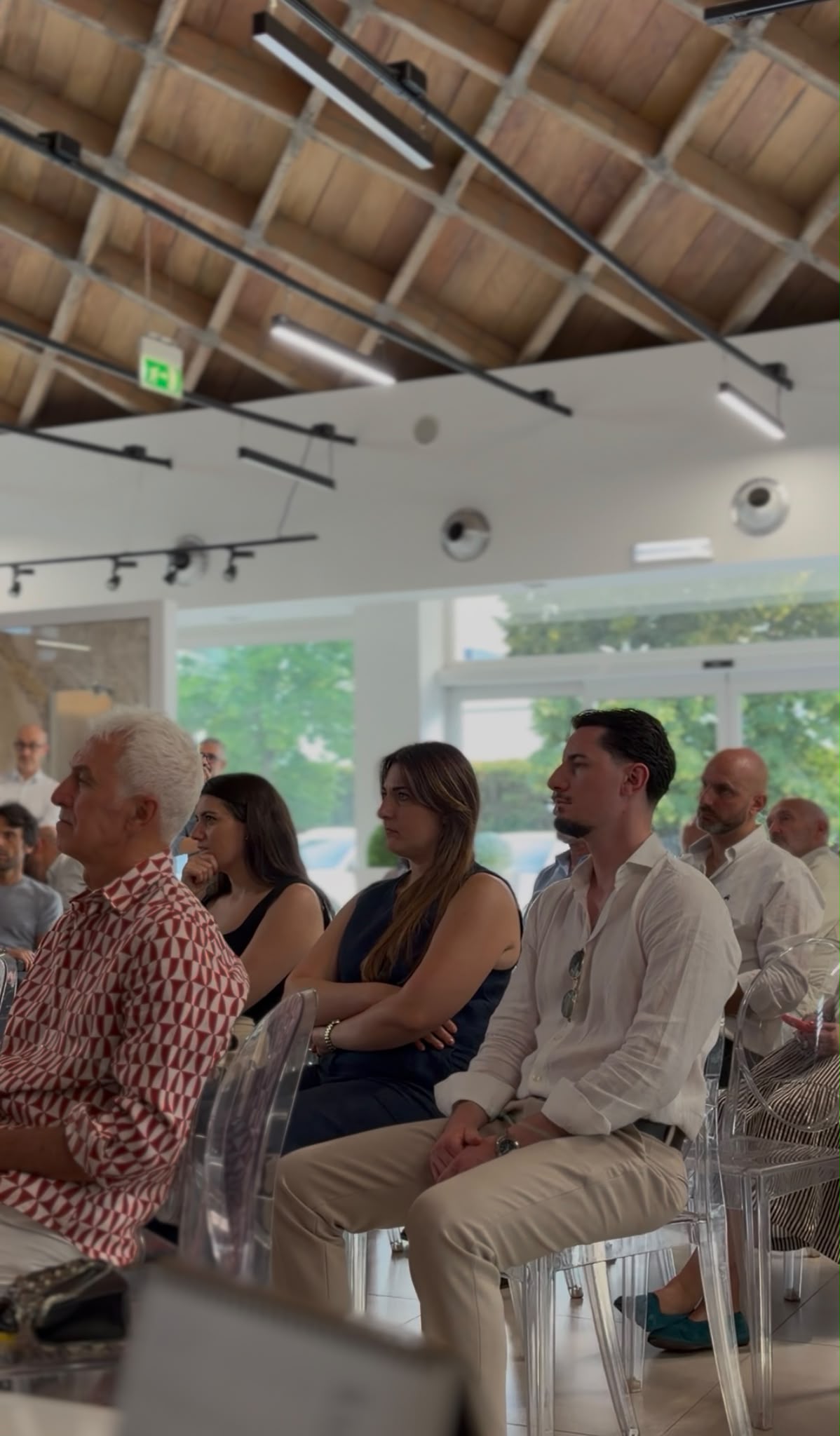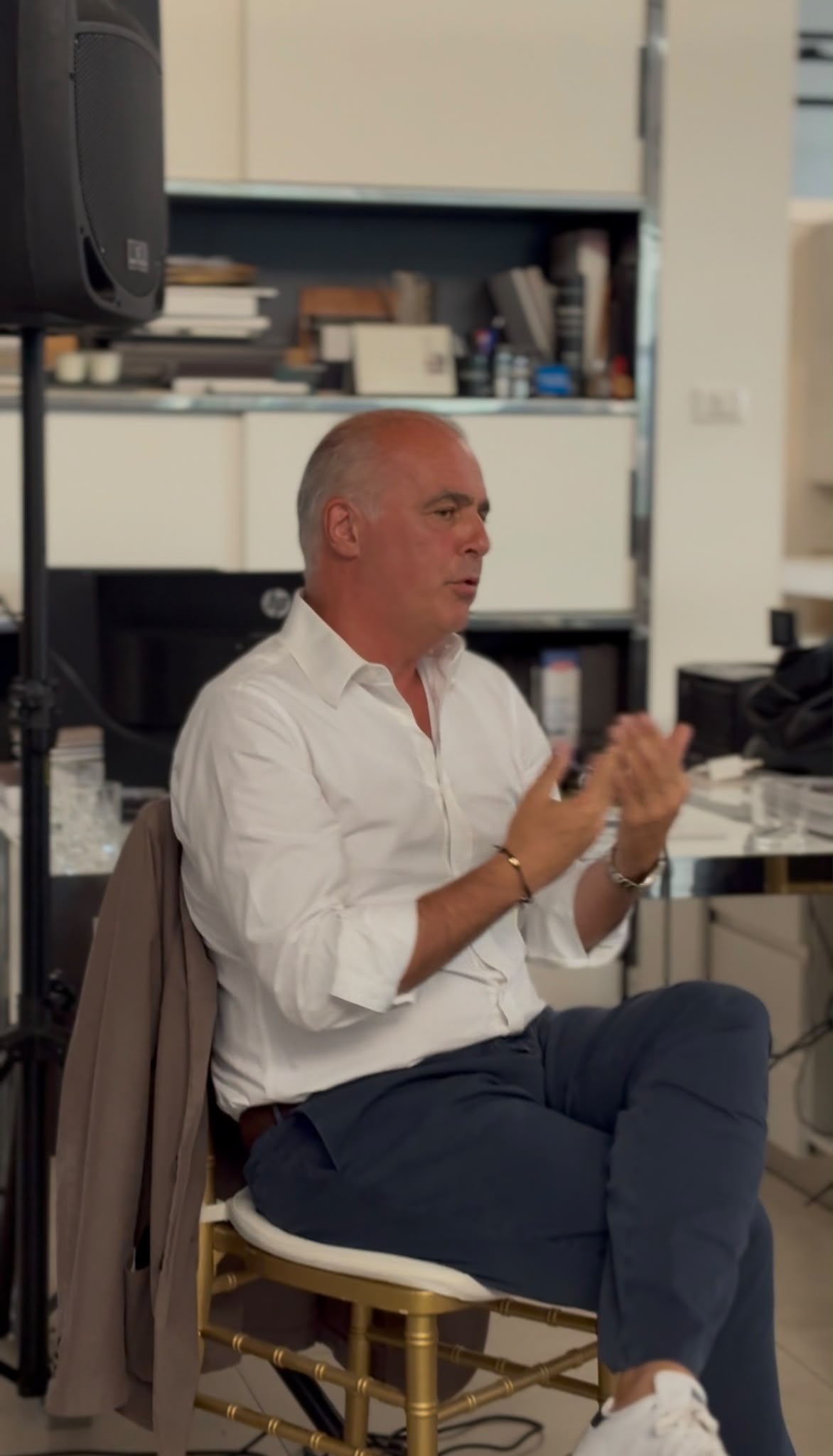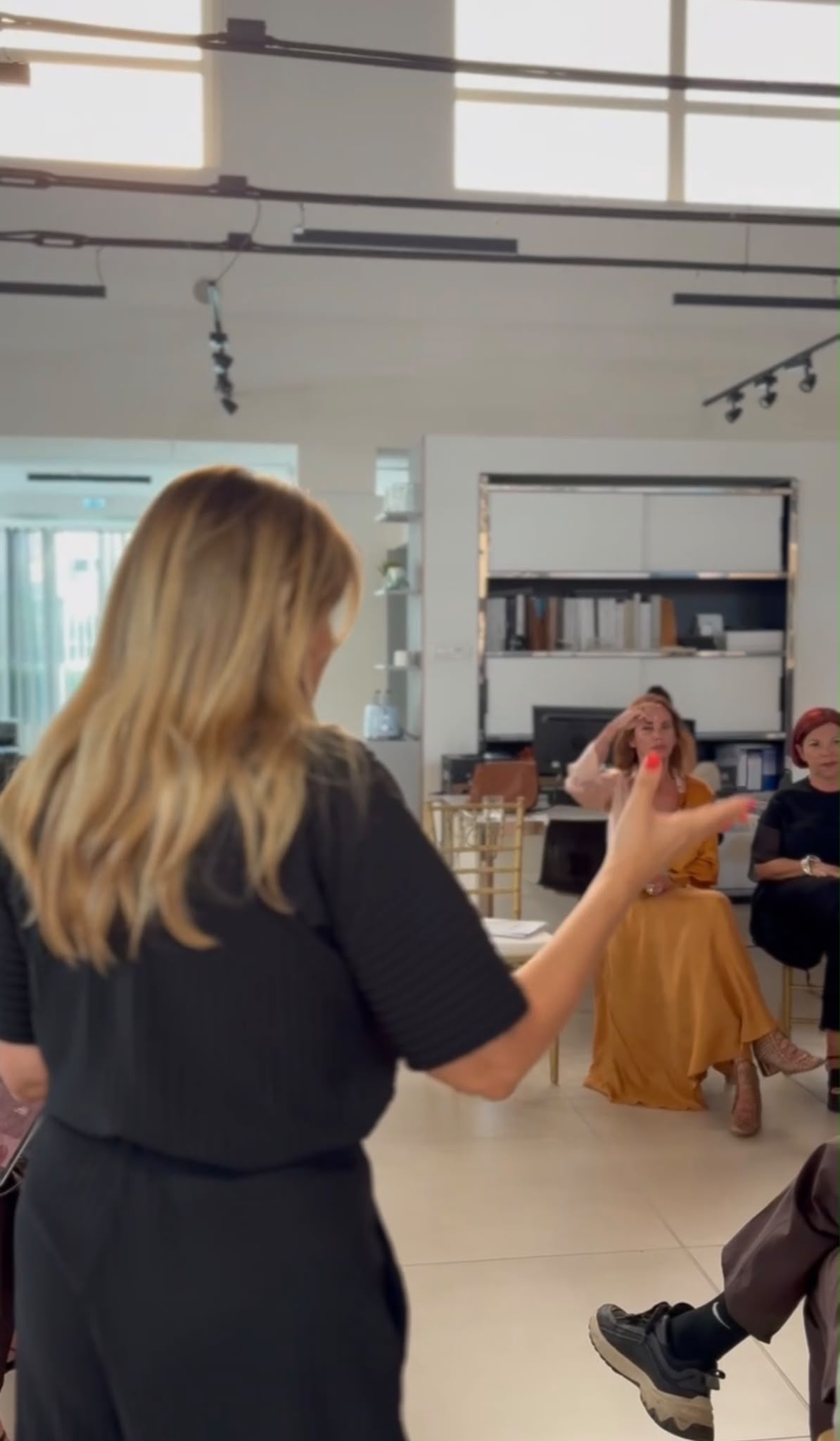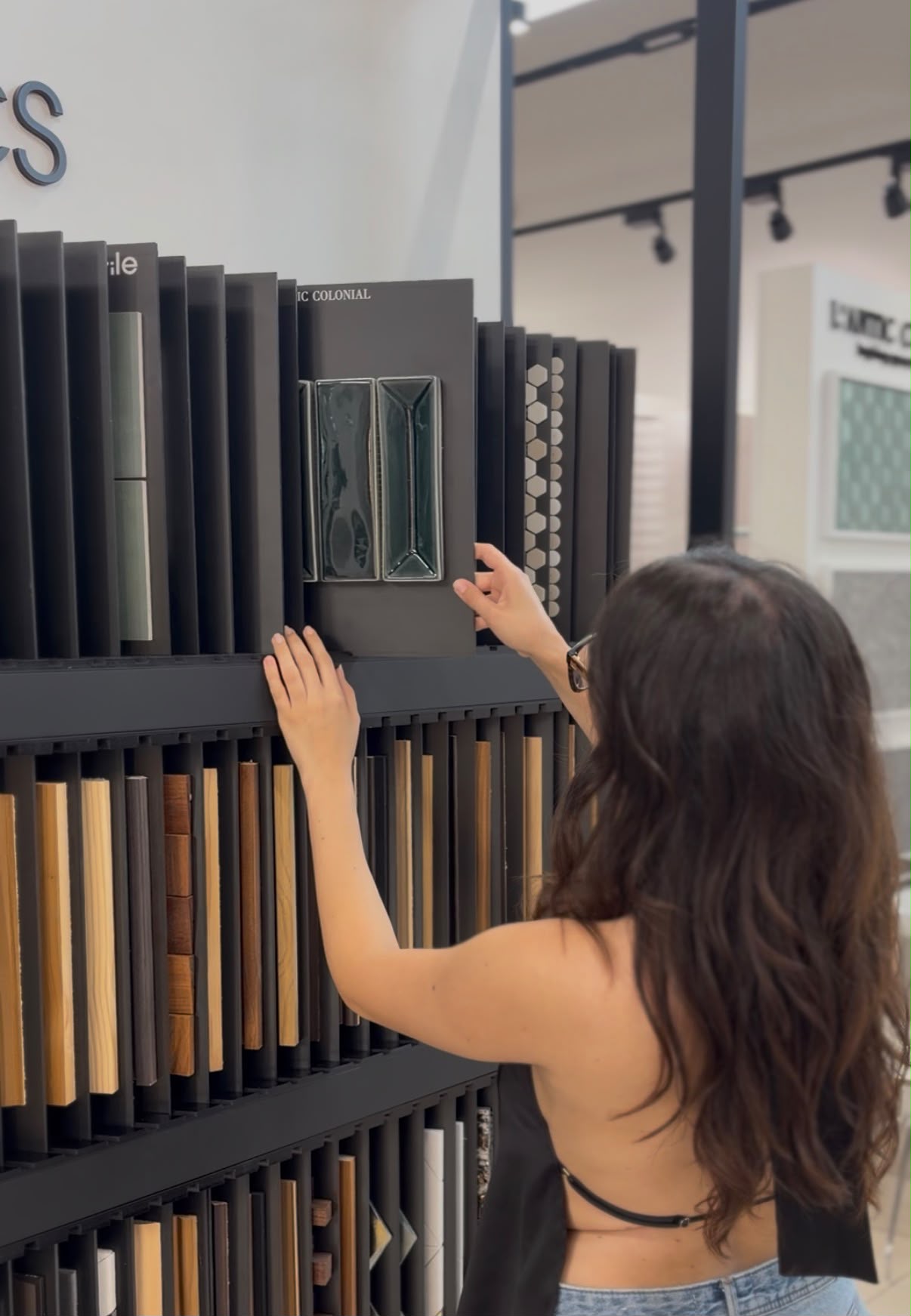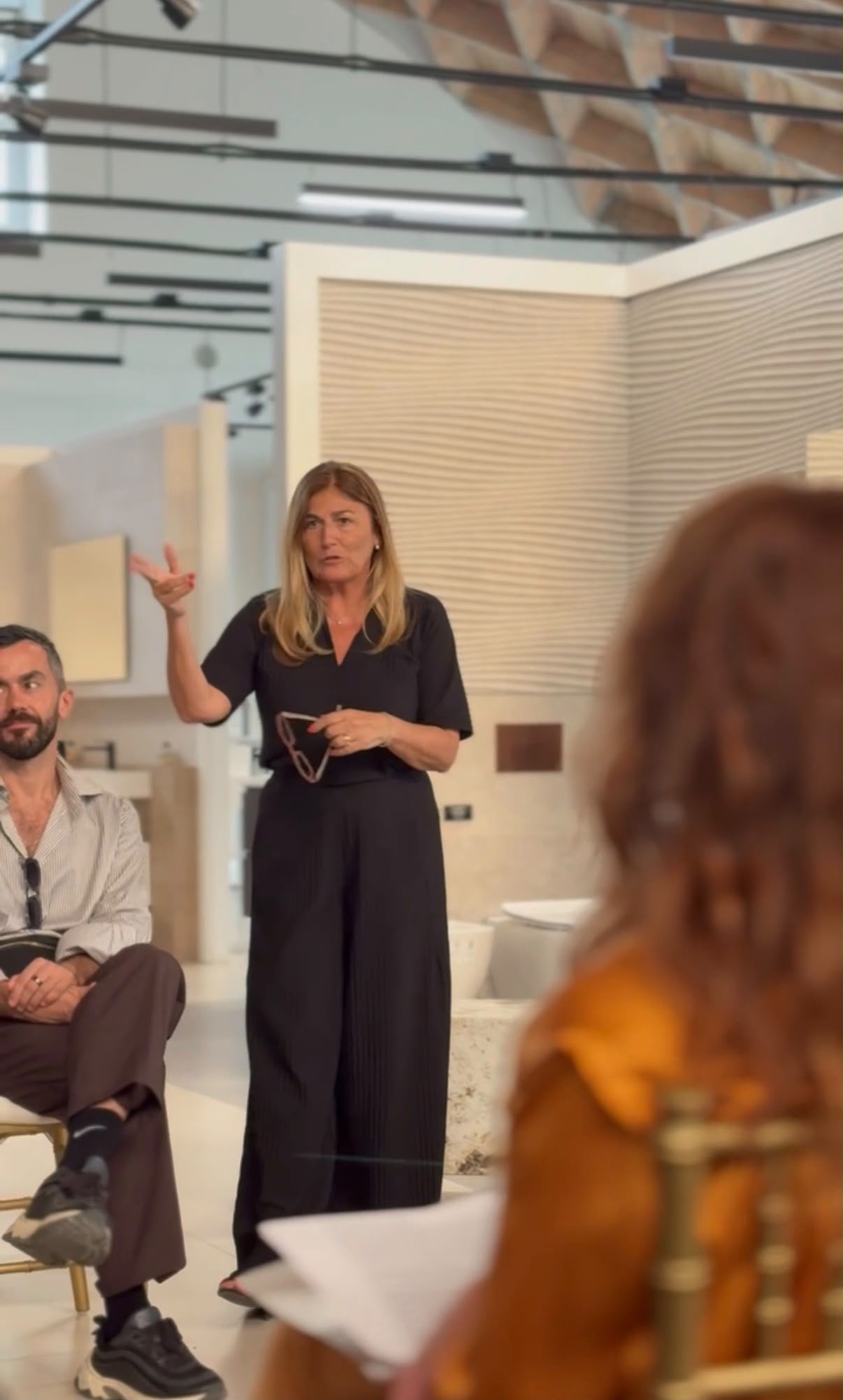

The event Roma Ospitale. Architectures of Hospitality between Hospitality Design, Boutique Hotels and New Forms of Temporary Living, promoted by PLATFORM Architecture and Design, took place at Porcelanosa Grupo Roma, offering an opportunity to explore the role of design in the transformation of the contemporary hospitality sector.
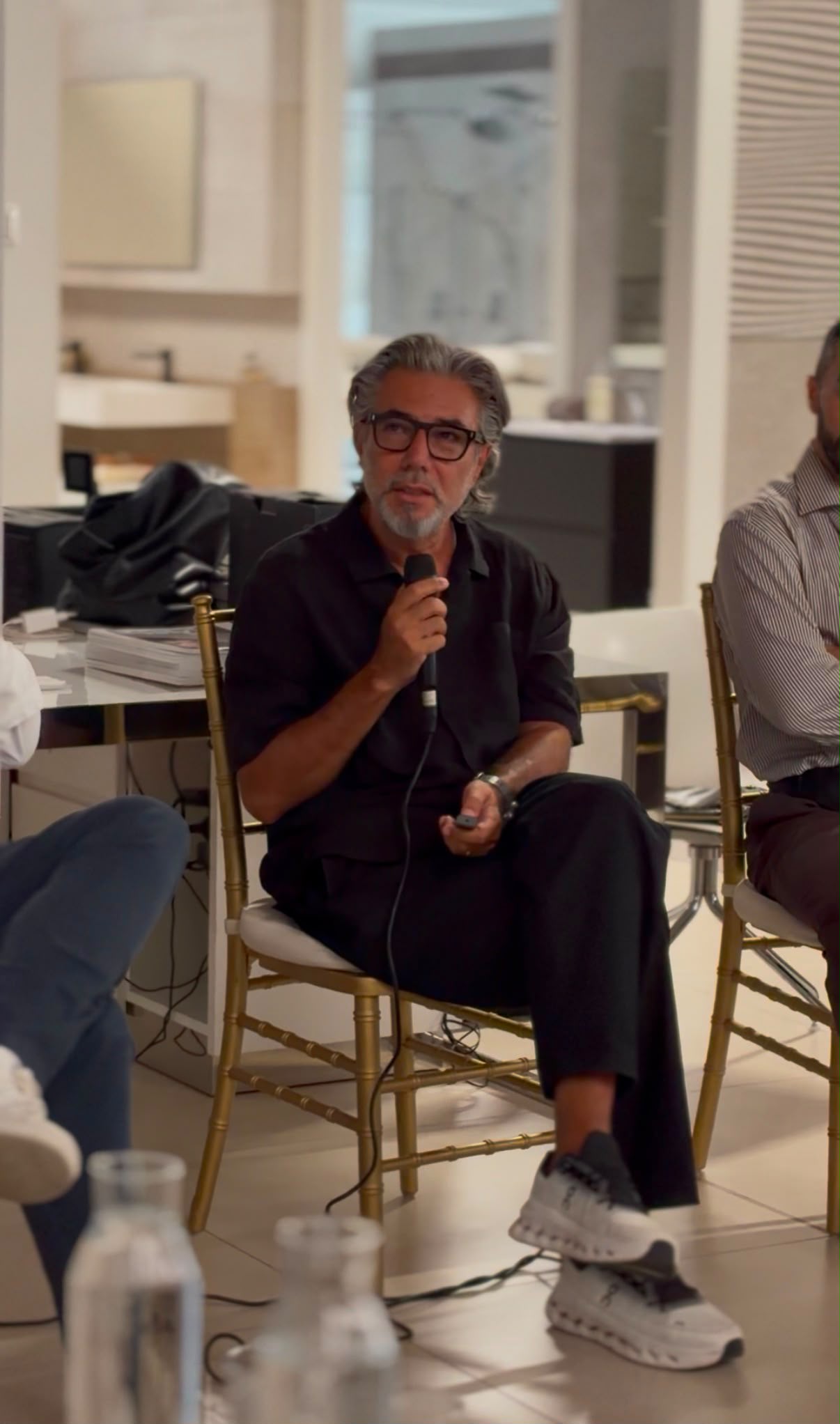
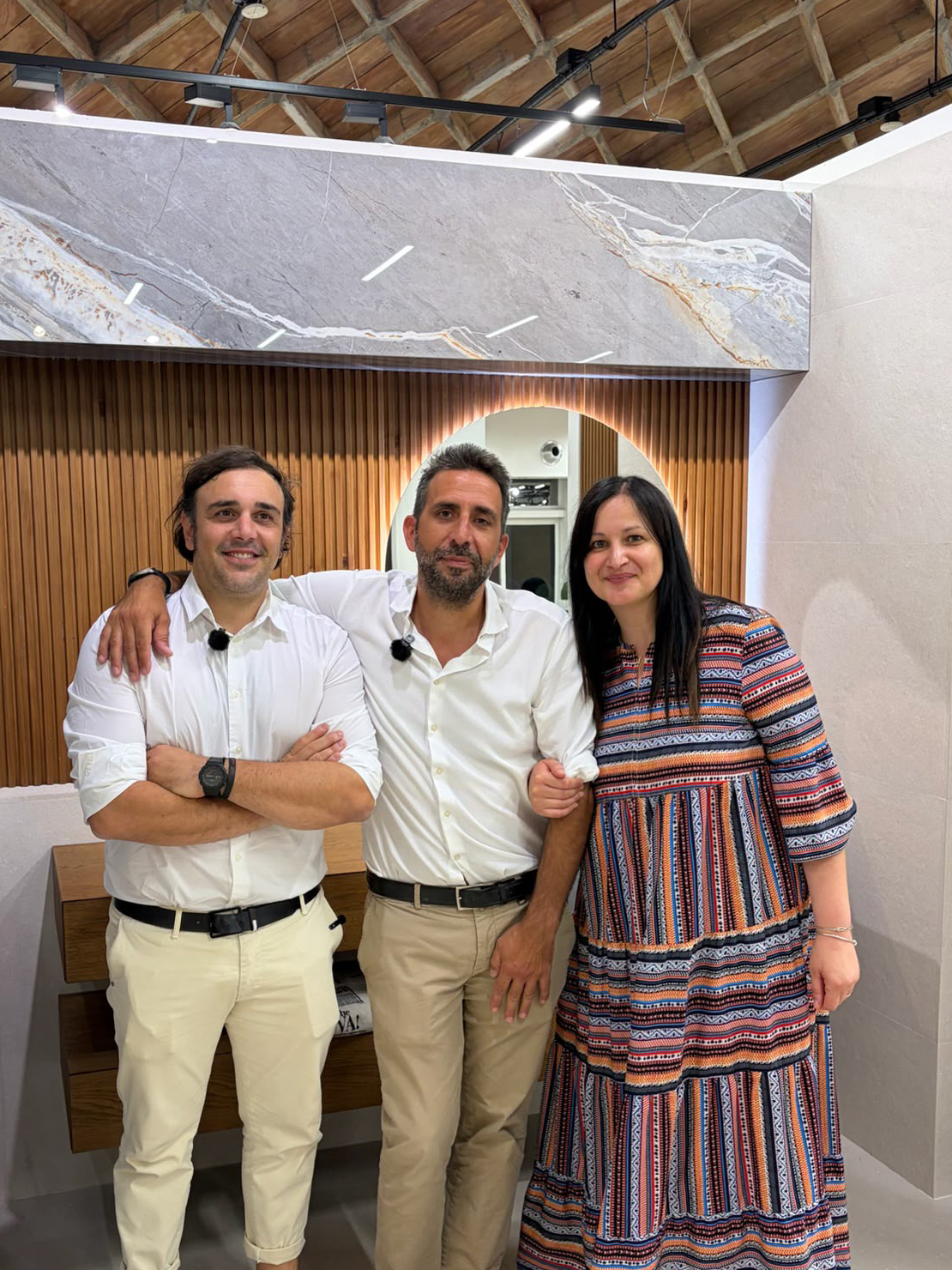
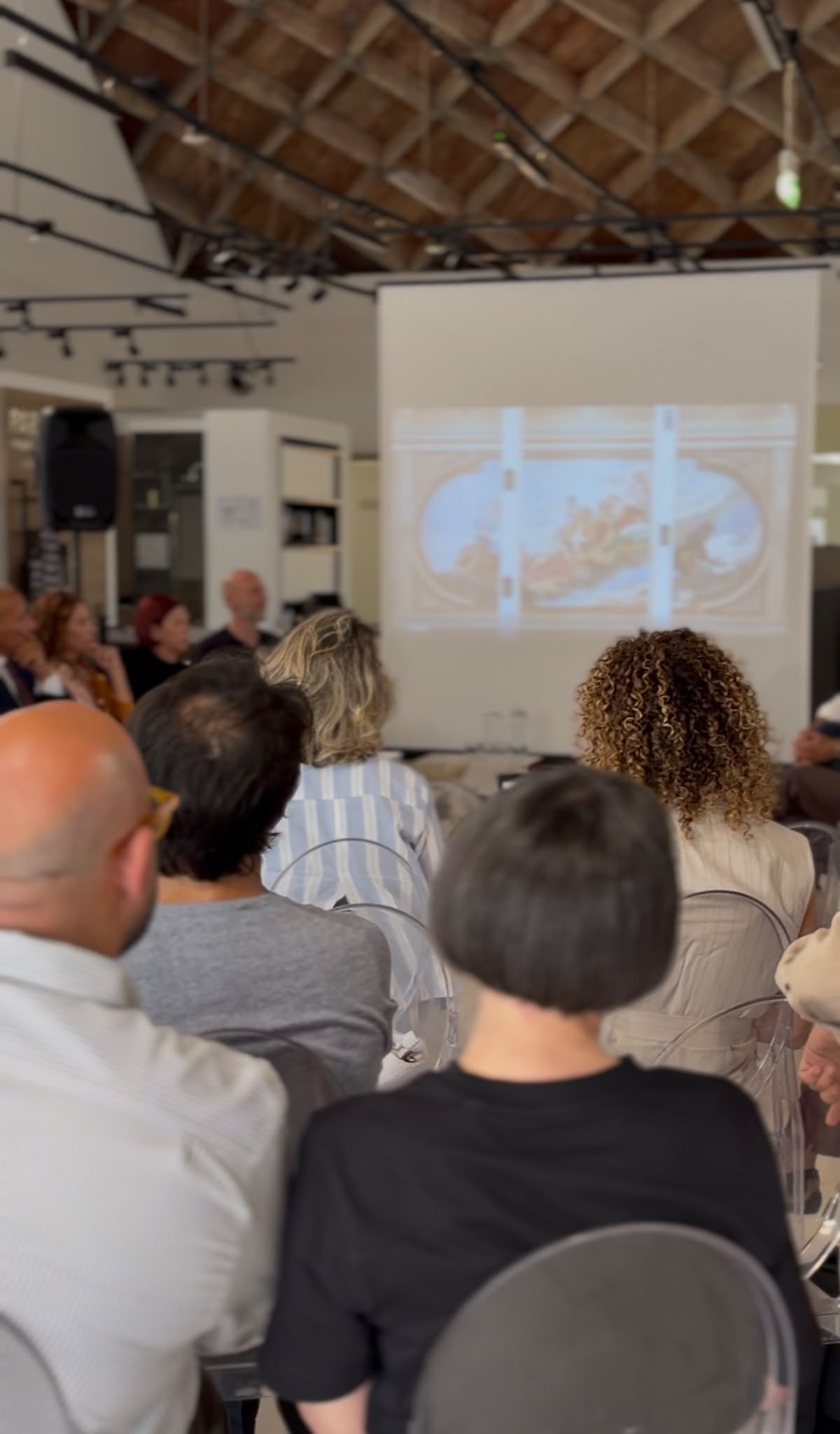
The event brought together leading figures from Italian architecture, invited to present projects, visions and different approaches related to the world of hospitality. Speakers included Francesco Maria Delogu of DeLogu Architecture, Giorgia Dennerlein of LOTO AD Project, Enrico Turella of LuoghiCOMUNI, Daniela Colli of COLLIDANIELARCHITETTO, Antonio Marincola of Marincola Architects and Marco Flamini of Speri Architettura & Ingegneria.
Through the presentation of their projects, the speakers addressed key themes for the future of hospitality: from environmental and social sustainability to the quality of the experience, from people’s well-being to the relationship with the identity of places, as well as the new challenges posed by a form of tourism that is increasingly flexible, conscious and attentive to the spatial dimension.
The discussion focused in particular on the theme of temporary living, understood not only as a short-term stay, but as a new way of relating to places. Boutique hotels, temporary residences, hybrid spaces and new forms of urban hospitality are redefining the way hospitality is designed, calling for solutions capable of combining comfort, identity, services, memory and architectural quality.
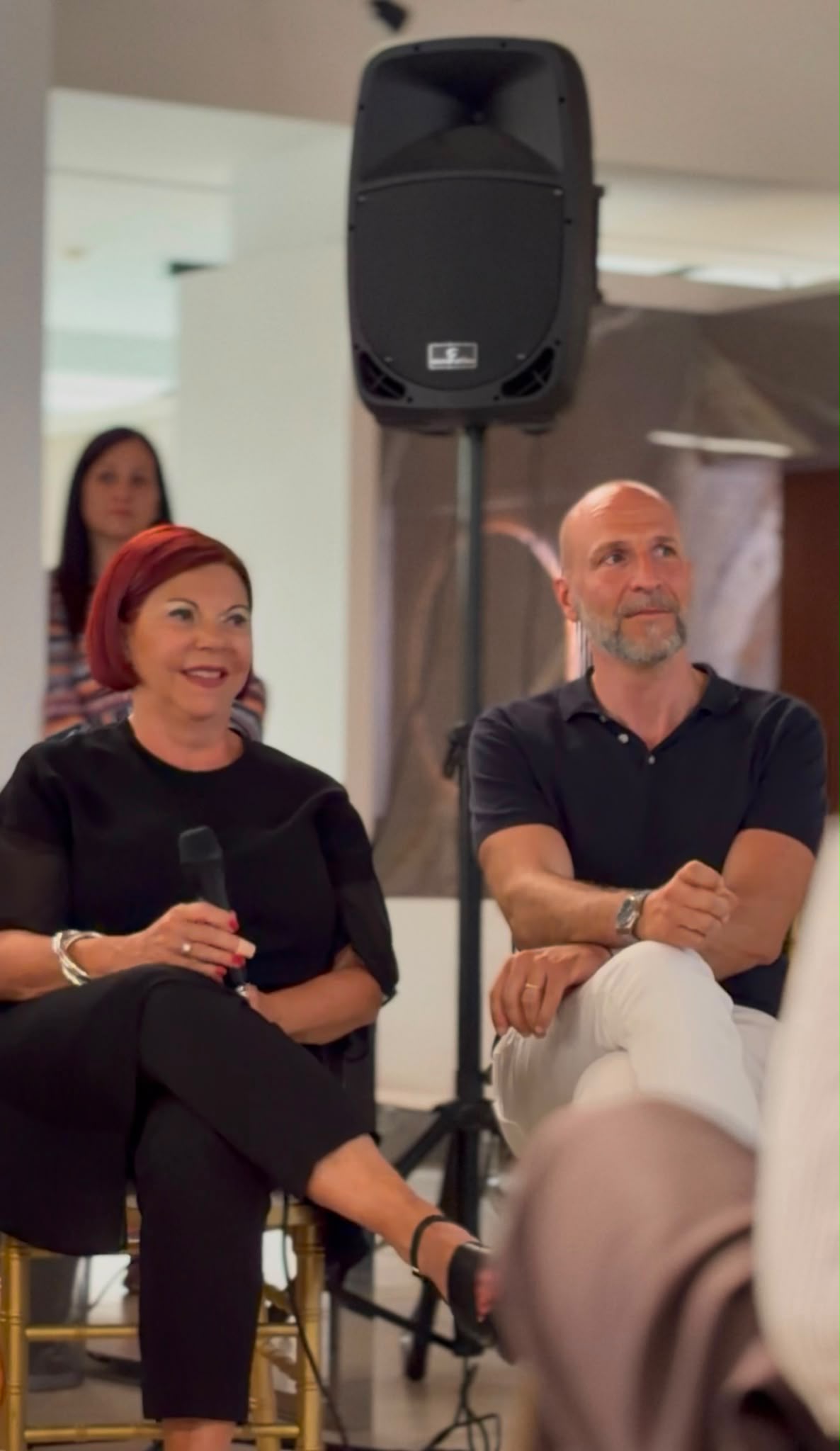
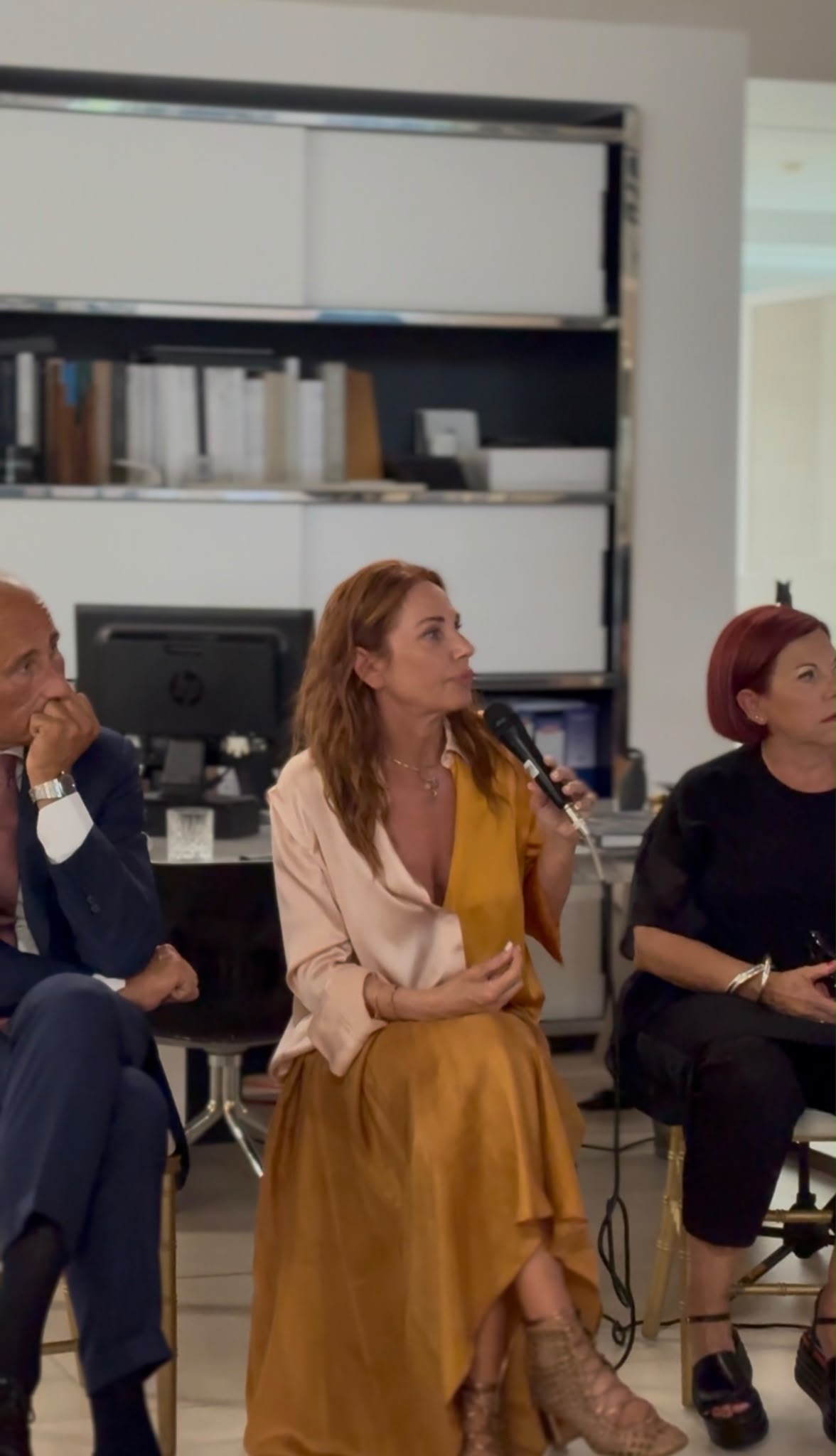
Following the presentations, the speakers took part in a round table, during which they exchanged views on the perspectives, challenges and opportunities of the sector. The conversation offered an opportunity to further explore the role of architecture and interior design in shaping new models of hospitality, capable of responding to changes in society, tourism and contemporary ways of living.
Among the themes that emerged was also the value of the genius loci, understood as the ability of design to interpret the soul of places, enhancing their history, materiality, landscape and culture. From this perspective, the hospitality of the future appears increasingly linked to the possibility of creating authentic experiences, rooted in their territories and capable of generating new relationships between space, people and context.
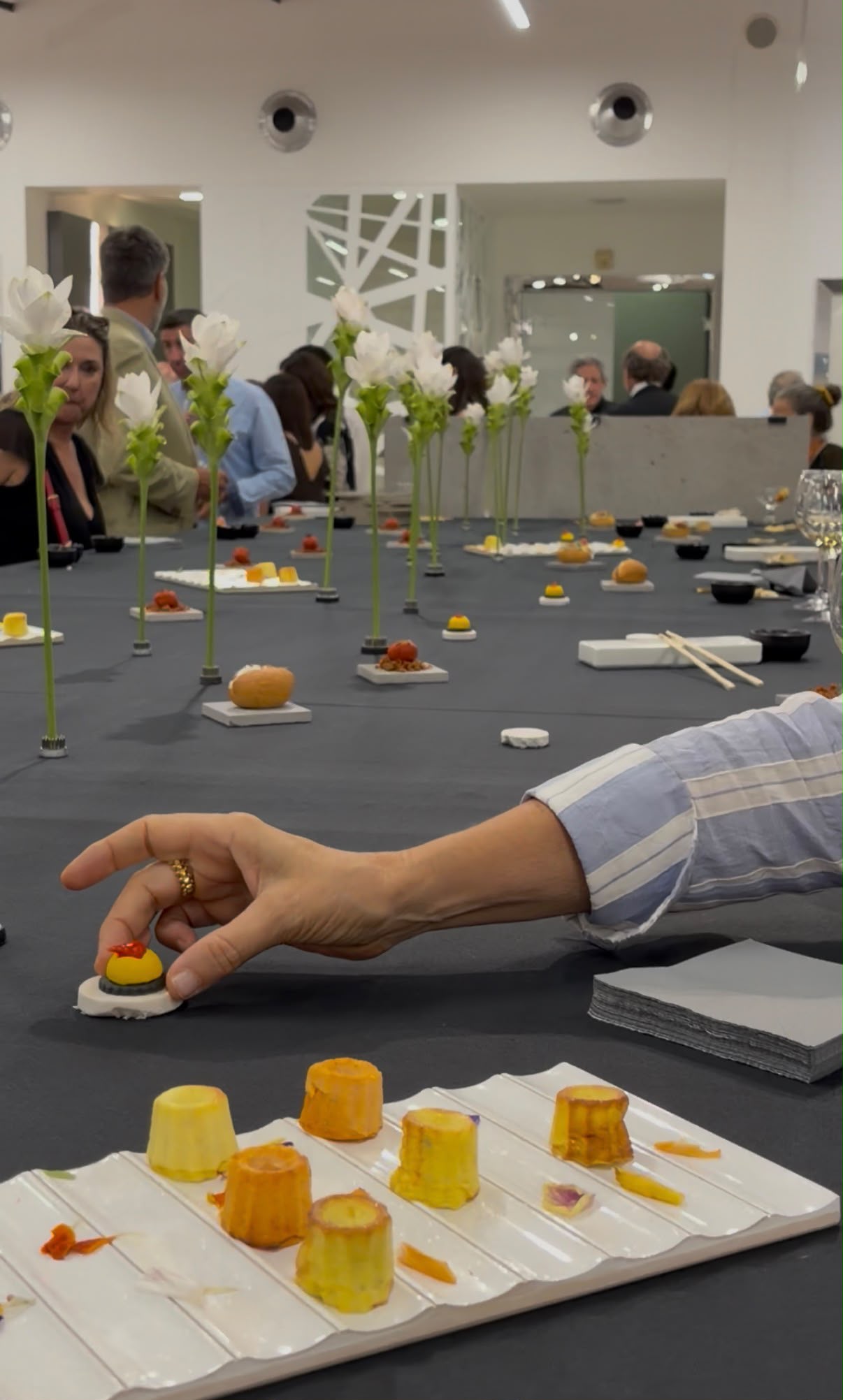
Roma Ospitale proved to be an important opportunity for exchange and in-depth reflection among architects, designers, interior designers and professionals from the sector, opening up a direct dialogue between design research, clients, the culture of living and new forms of contemporary hospitality.