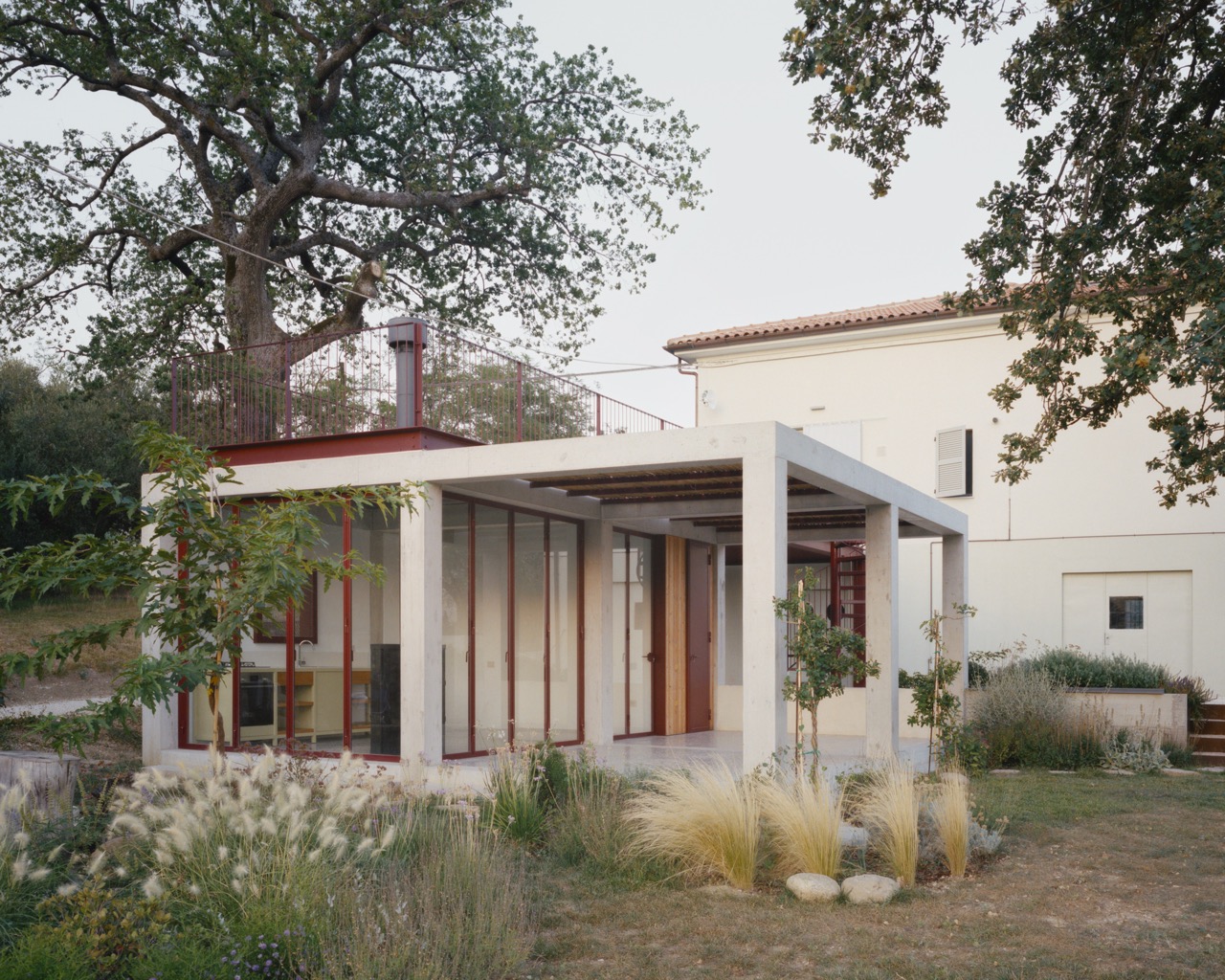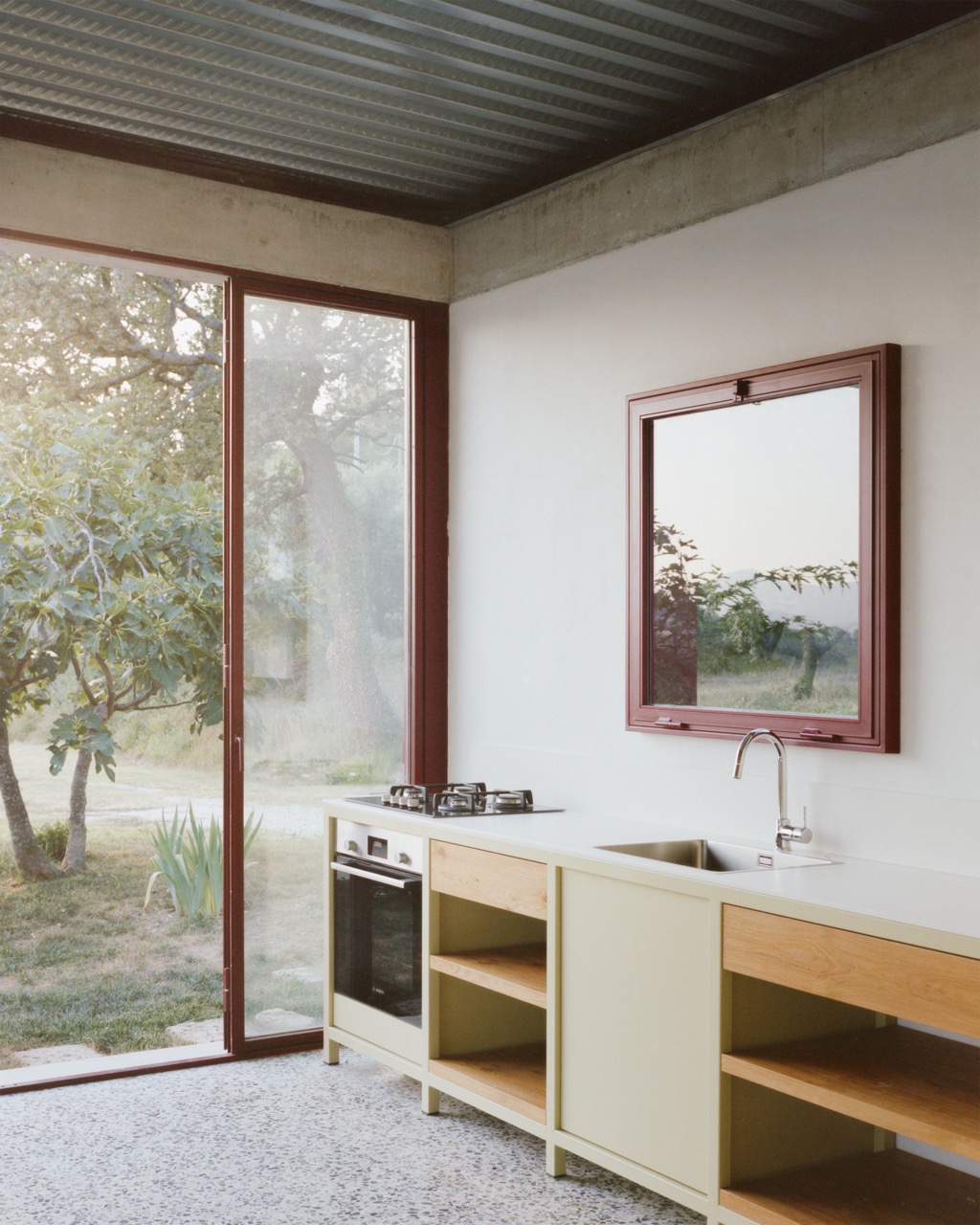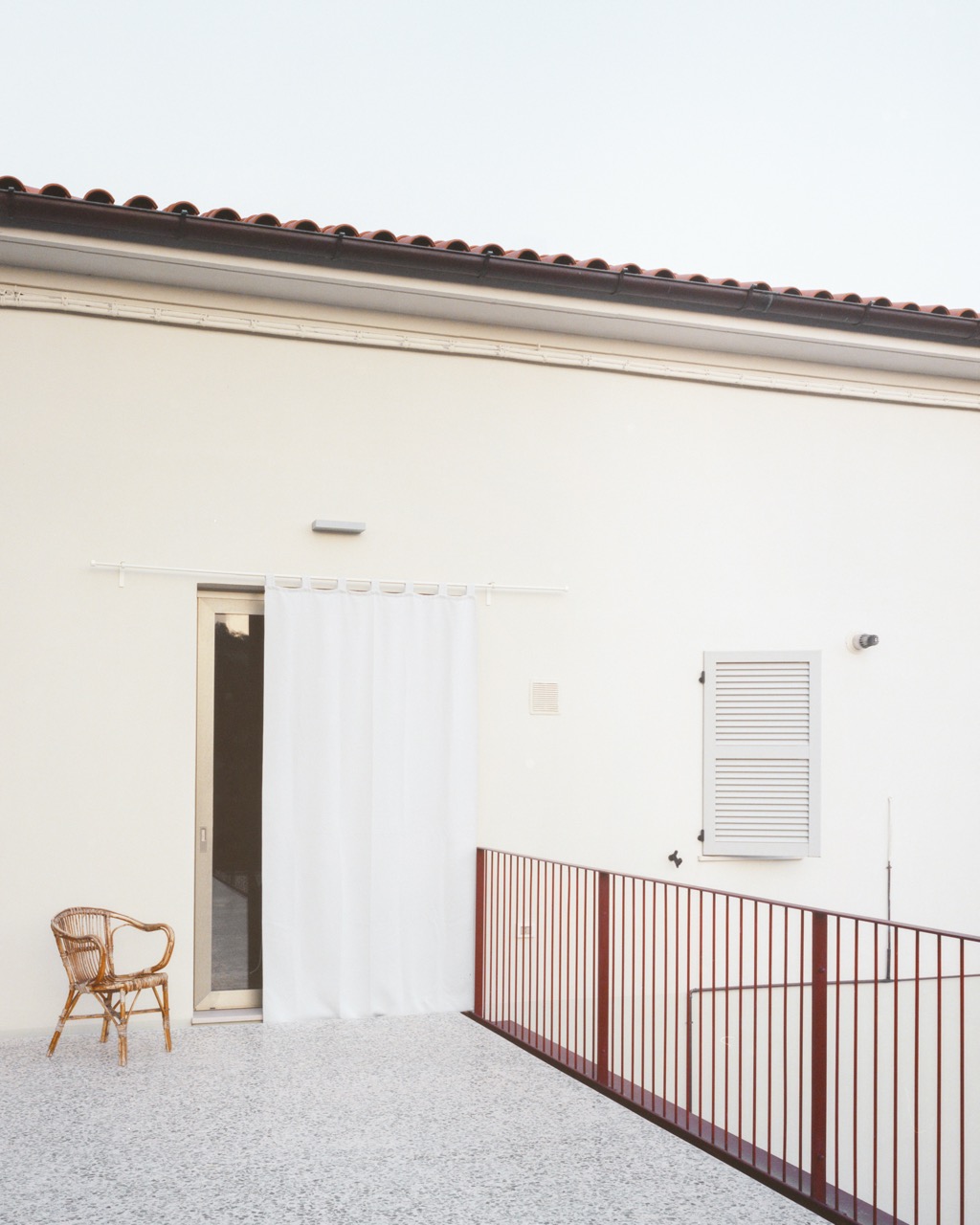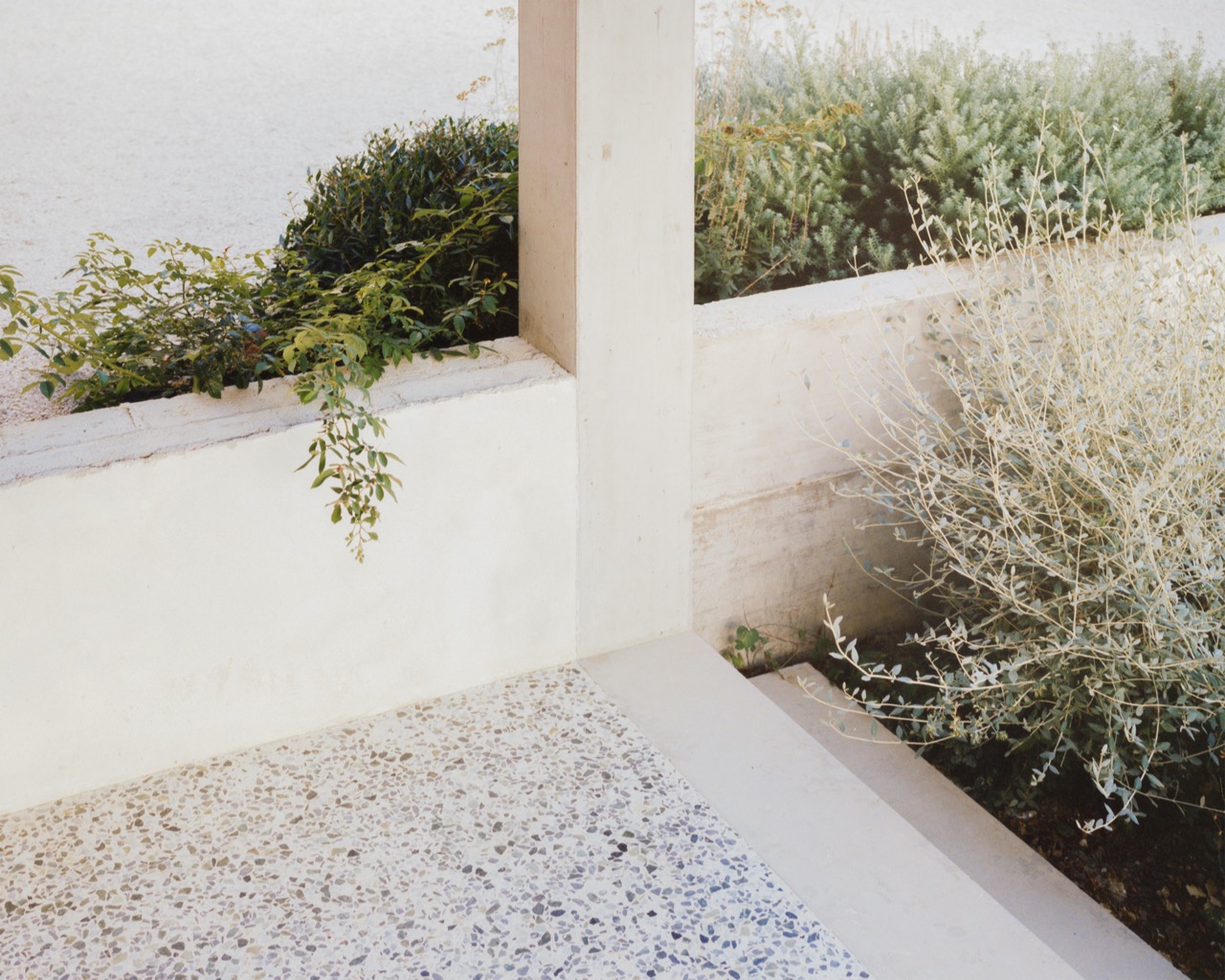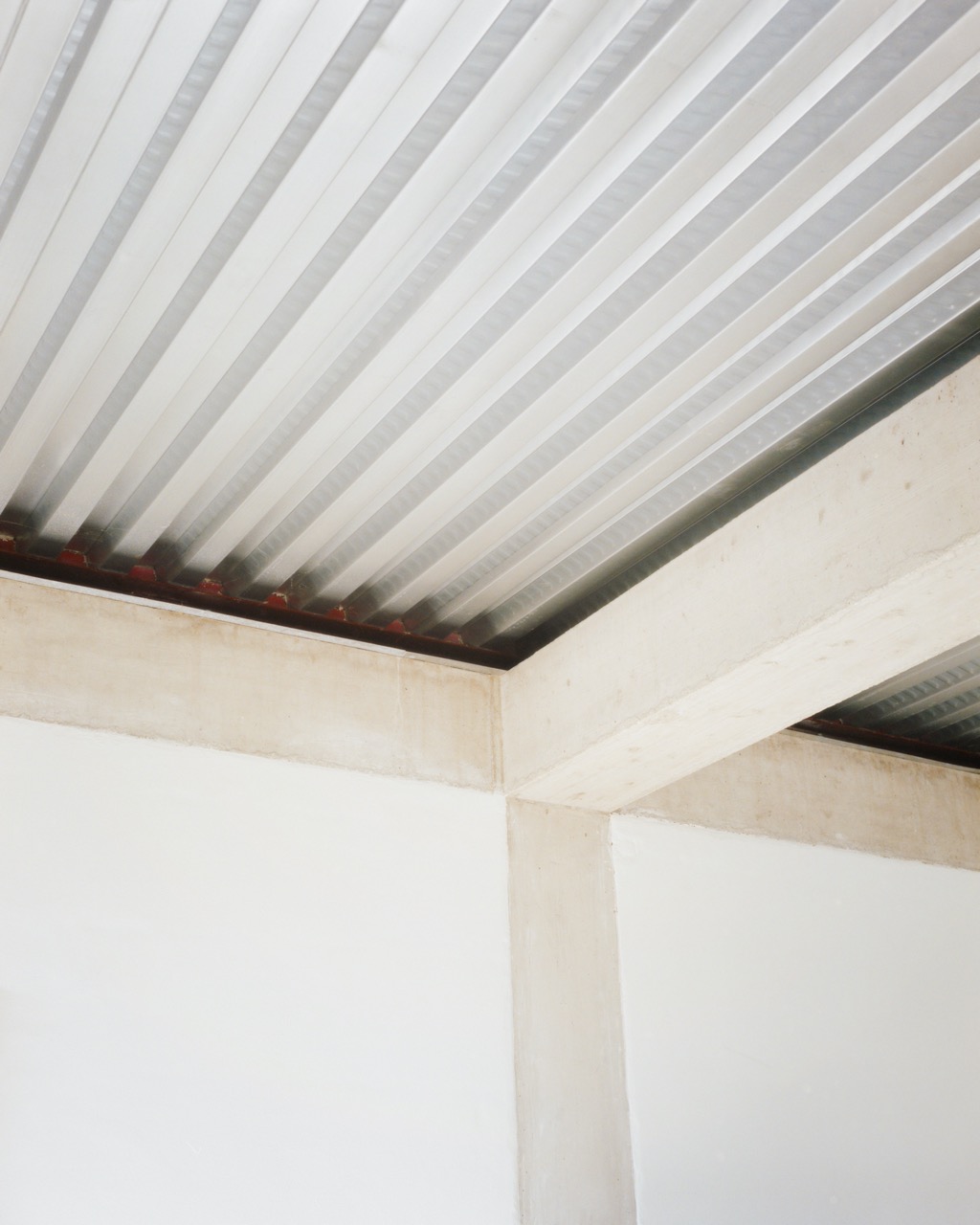

Designing through addition means questioning the relationship between pre-existence and new intervention, between the original body and the grafted volume, between continuity and discontinuity. In the case of Annesso Rosso, a project by Mecozzi Verdini Architettura e Paesaggio in Loretello, in the Marche region, the extension is not conceived as a simple functional appendage, but as an architectural device capable of redefining the relationships between the domestic sphere, the landscape and agricultural memory.
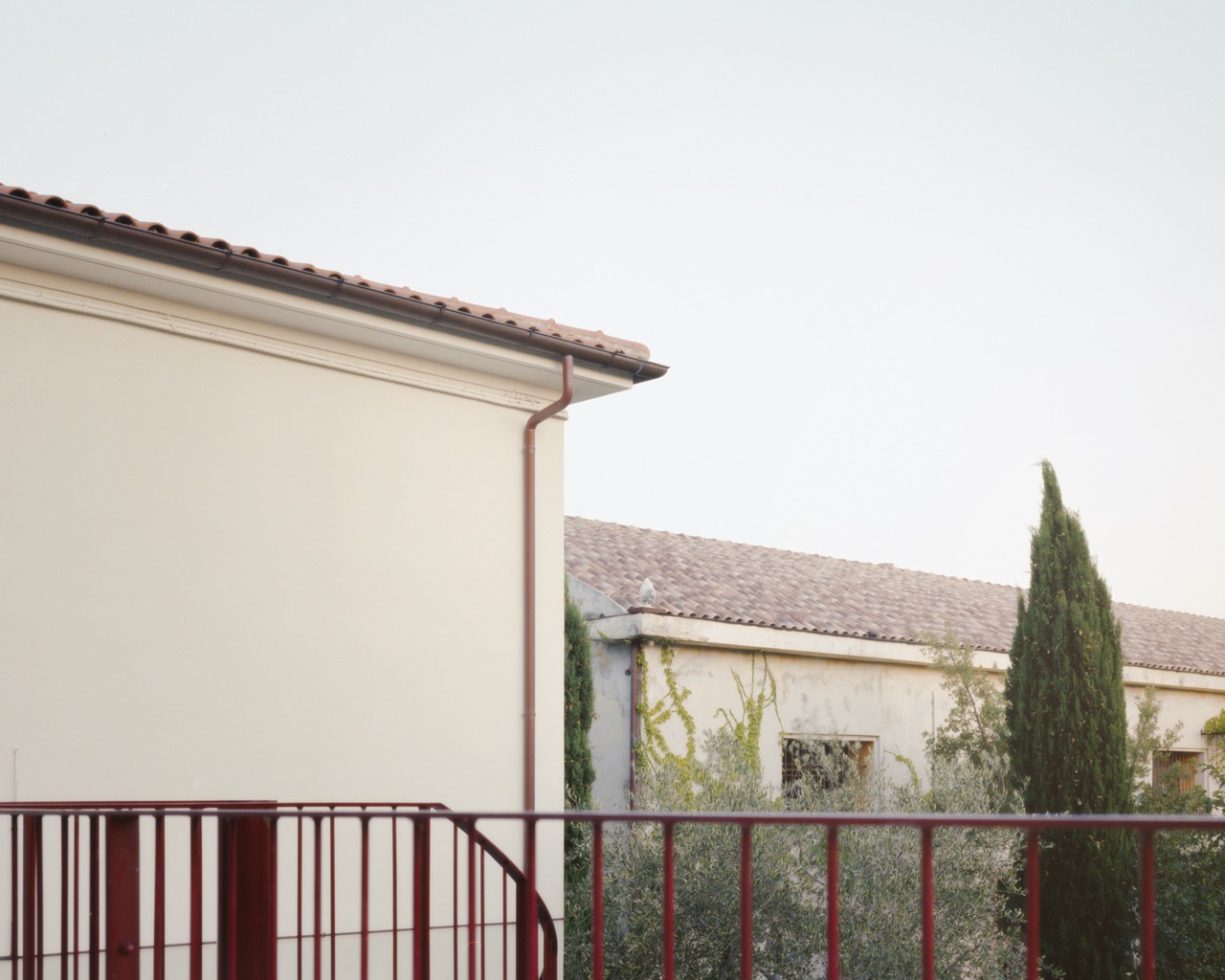
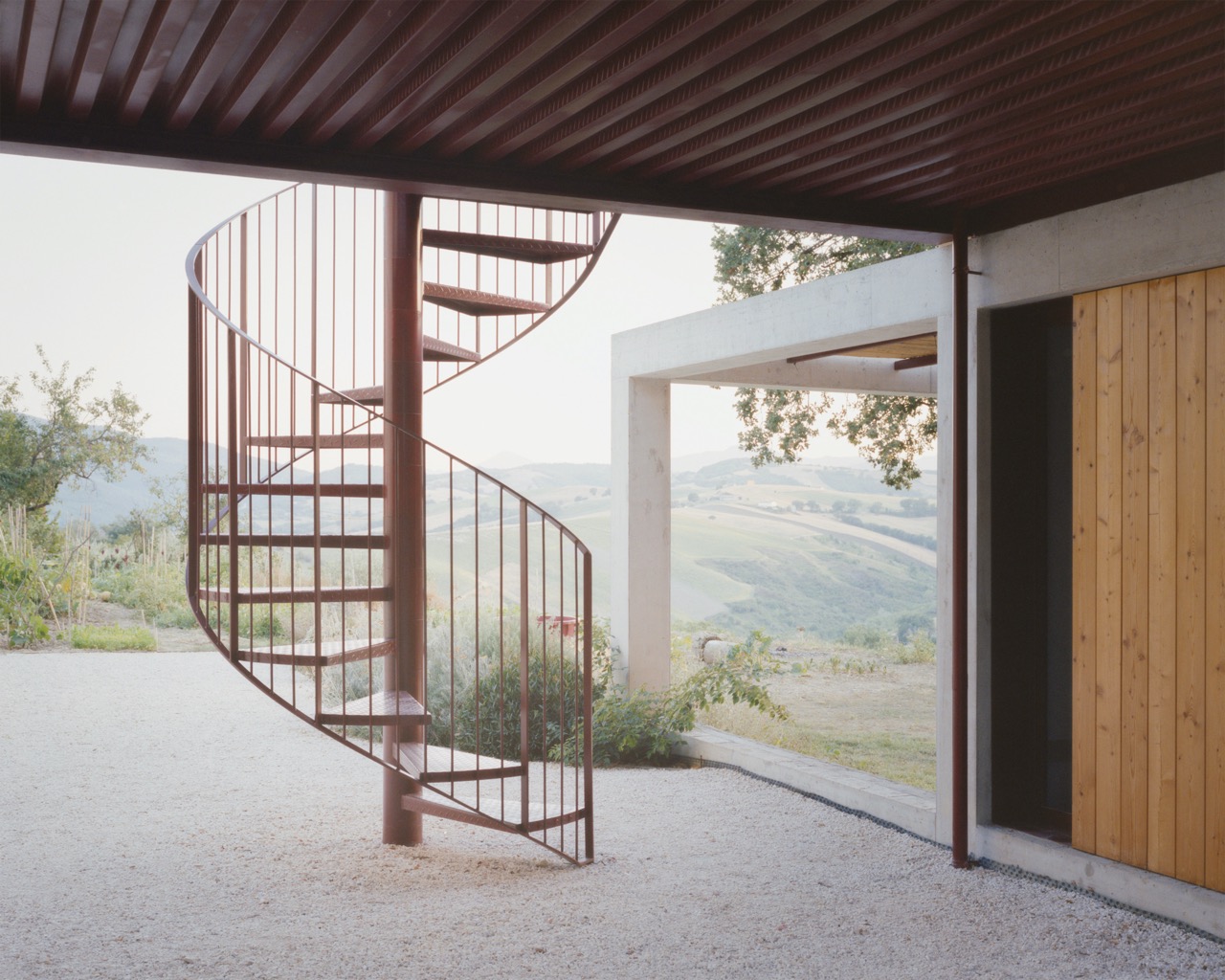
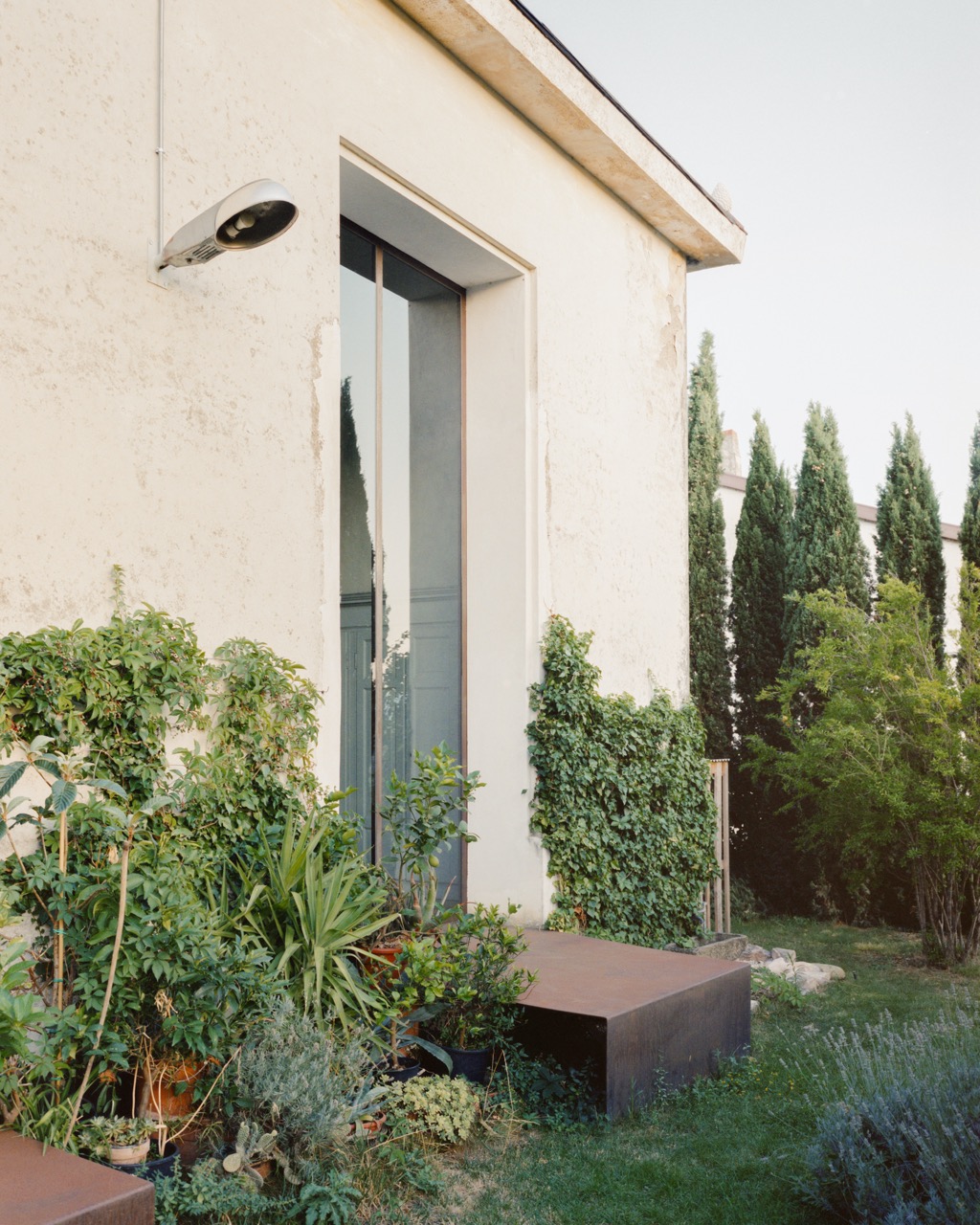
The intervention originates from the renovation of a residential building immersed in the Marche countryside and from the reconversion of the rear spaces, once occupied by disused agricultural annexes used for storing tools and manual labour. The demolition of these secondary volumes made it possible to free the view towards the landscape, opening the house to the sequence of hills and to the presence of Monte Catria. The void generated by subtraction thus becomes the field in which to insert a new architecture: not autonomous, but deeply relational.
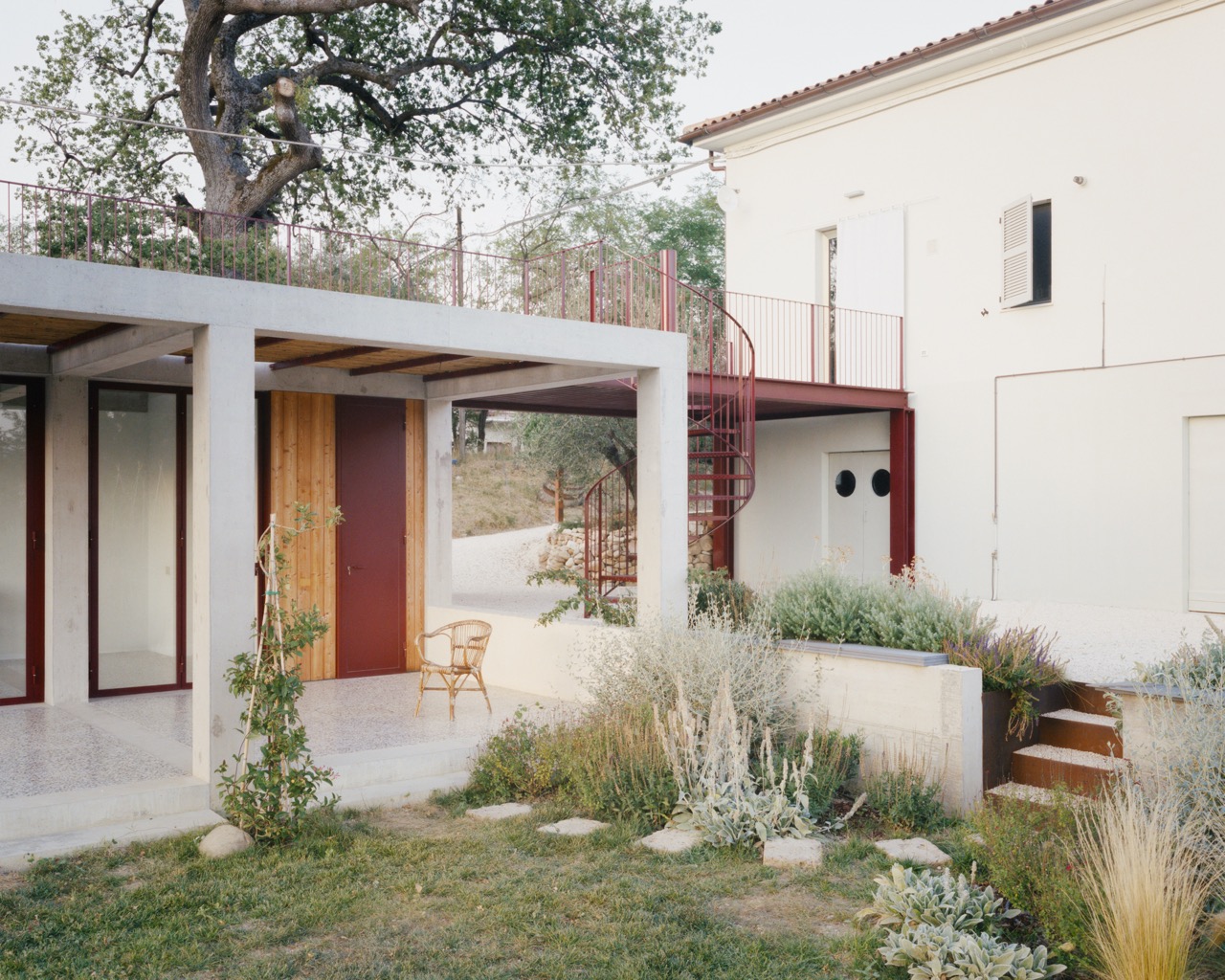
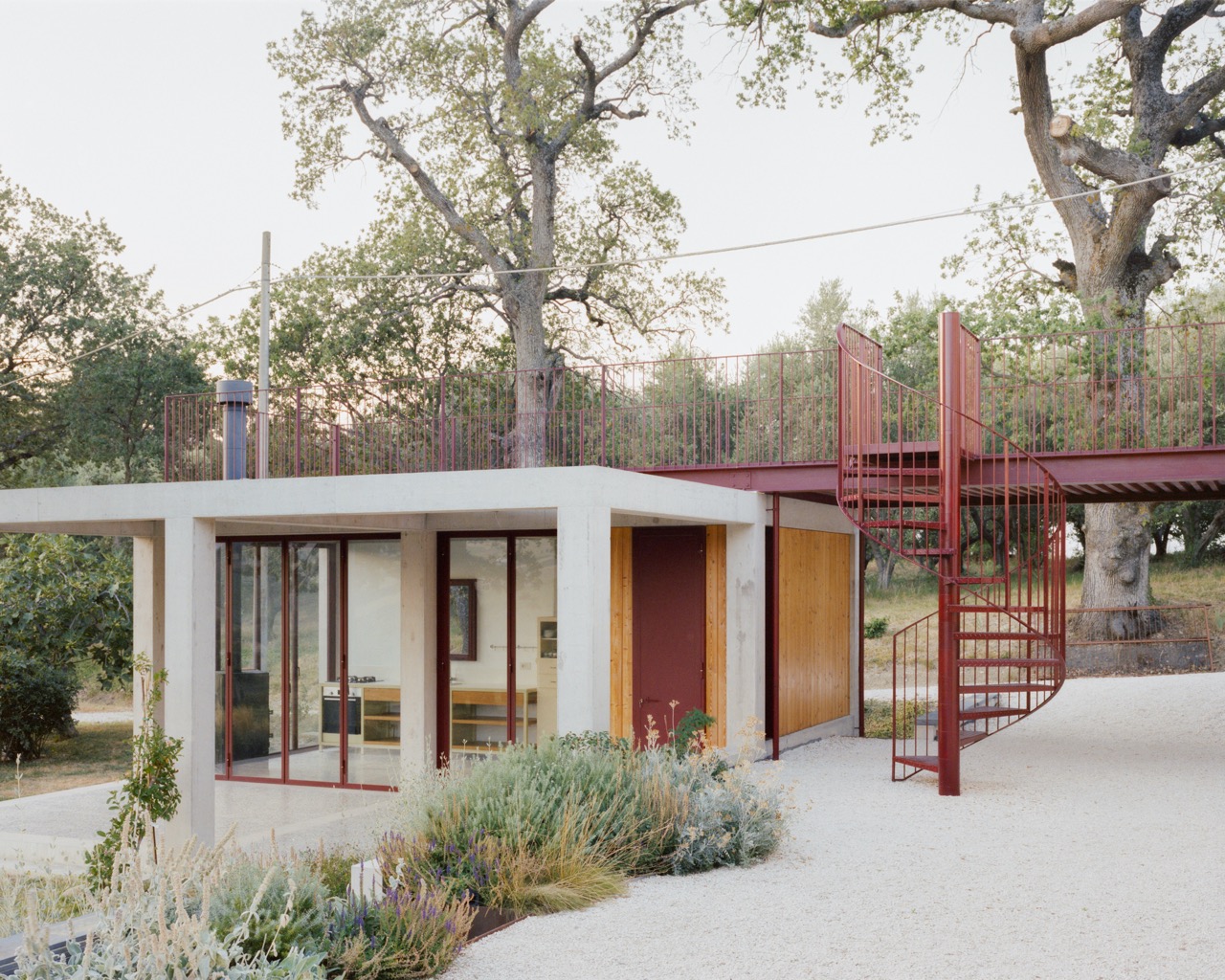
The project works on the stratification of the uses of the landscape, recognising three complementary dimensions. The first is the natural dimension of the hills, the second is the domestic dimension of the garden, and the third is the agricultural dimension of cultivated fields and vegetable gardens. Annesso Rosso is positioned precisely at the point of tension between these conditions, assuming the role of an inhabitable threshold. The new structure does not separate, but connects; it does not simply occupy a space, but constructs a system of relationships.
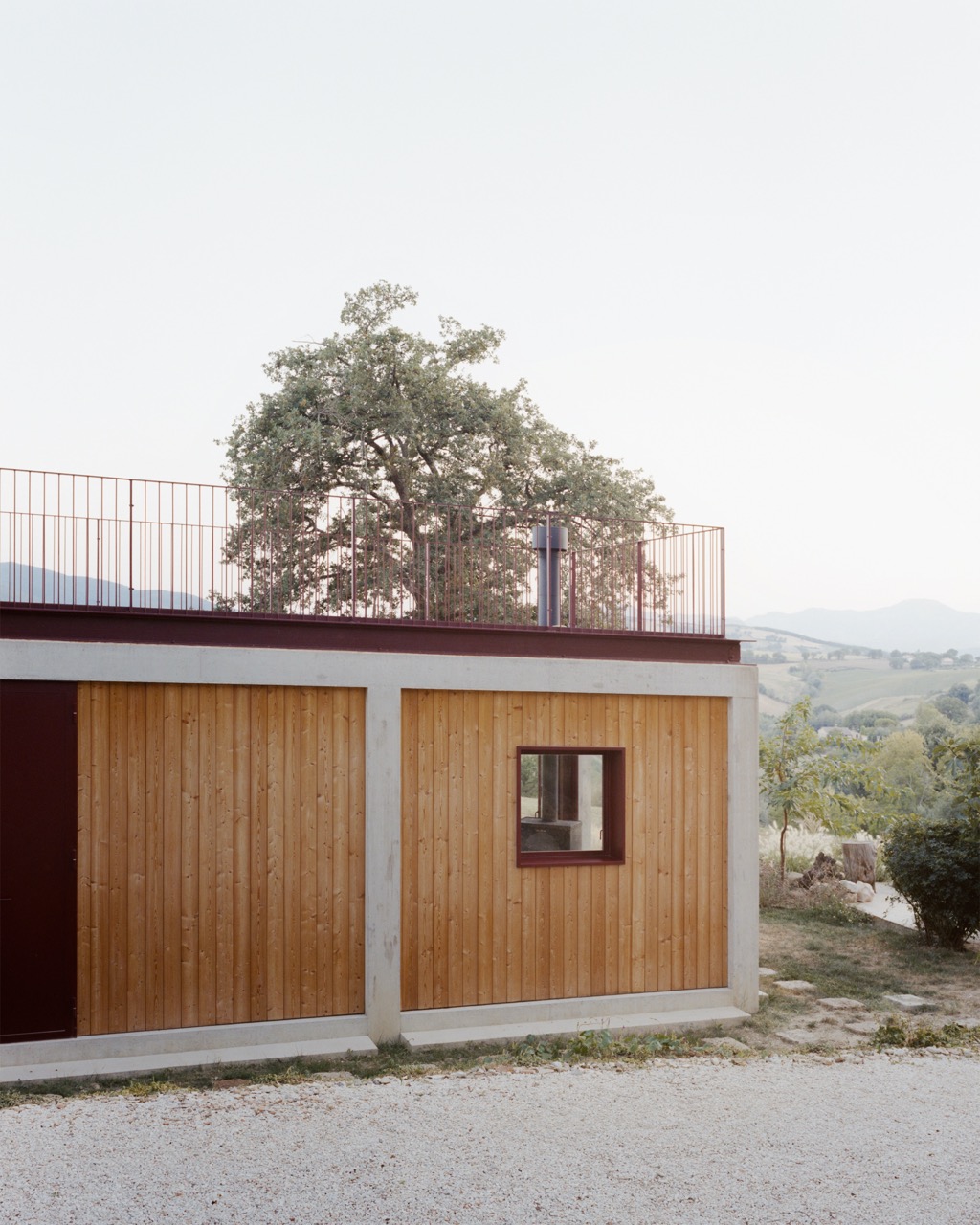
The choice of exposed reinforced concrete and red-painted iron gives the intervention a strong presence in its constructive essentiality, while remaining respectful of the context. Red becomes an element of recognition, a contemporary sign that does not camouflage the new architecture, but declares its nature as a graft. The roof of the annex extends until it connects with the main villa, becoming a suspended terrace and a place of relation overlooking the landscape. In this continuity between roof, terrace and built volume, the extension assumes an ambiguous and fertile dimension. It is at once annex, bridge, base and open room. Its value lies not only in its function, but in its ability to produce a new way of inhabiting the countryside, where agricultural work, family memory and the desire for a contemporary domesticity find a shared form.
Annesso Rosso thus interprets the theme of extension as a practice of precision. Addition is not accumulation, but the construction of meaning; the graft is not a simple technical junction, but an opportunity to redefine the entire domestic organism. The new architecture is inserted between the house and the countryside as an active threshold, capable of relating the intimate scale of dwelling to the broader scale of the Marche territory.
CREDITS
Project: Annesso Rosso
Architects: Mecozzi Verdini Architettura e Paesaggio
Location: Loretello (AN), Italy
Year: 2025
Photography: Simone Bossi